
Many Burundians are growing increasingly frustrated with the sluggish pace and poor quality of services in various public institutions across the country. From healthcare to banking and government offices, citizens say they face daily delays, inefficiencies, and a lack of accountability.
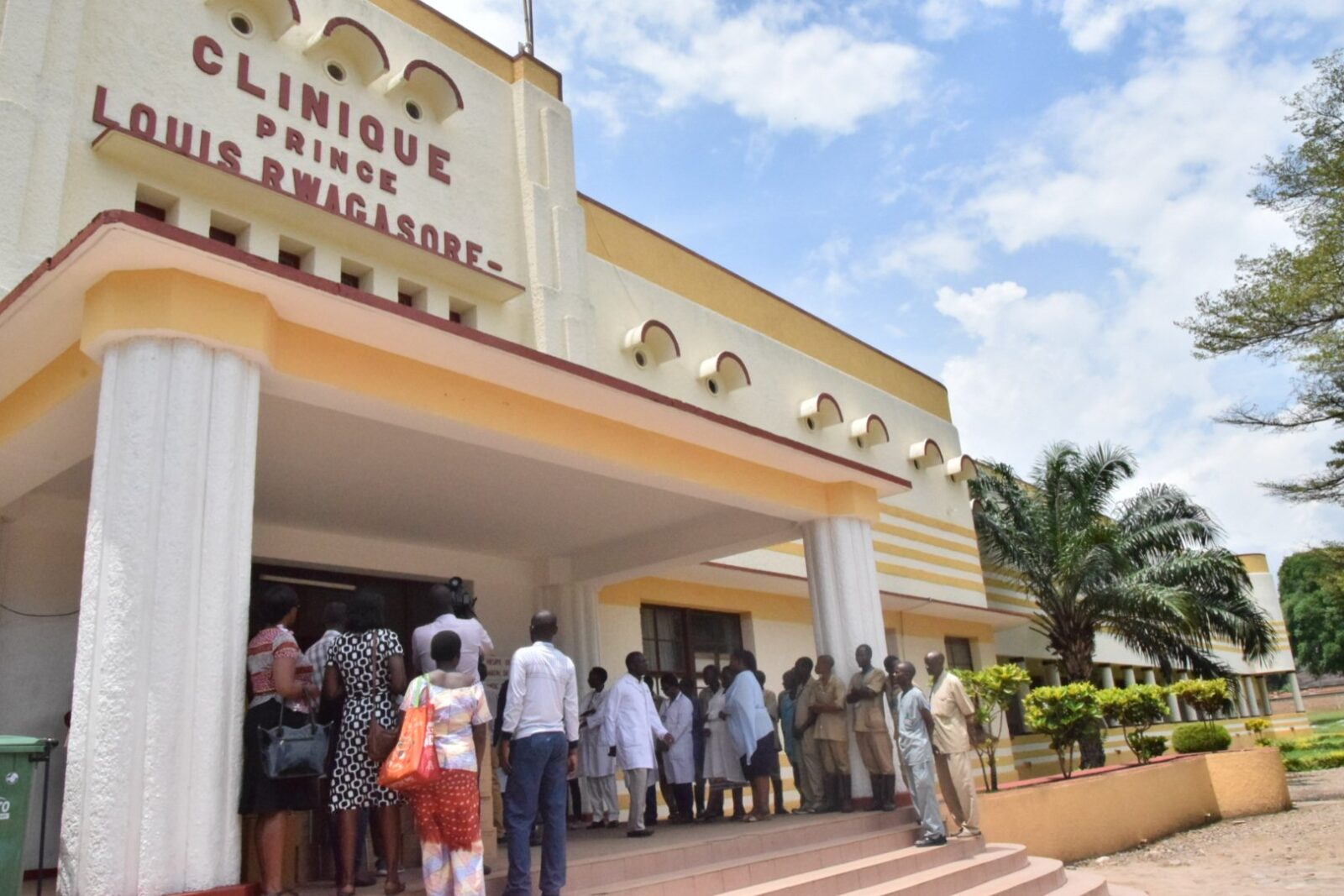
“In public hospitals, you often lose hope before even being received,” said Emmanuella Kwizera, a 32-year-old mother of three in Bujumbura, the country’s economic capital. “It feels like no one is overseeing the work seriously.” She pointed to facilities like Prince Louis Rwagasore Clinic and Prince Regent Charles Hospital, where overwhelming patient numbers often cripple basic service delivery.
In Gitega, the political capital, residents echo similar frustrations. Channel Nduwimana, from the Bwoga neighborhood, recounted waiting hours at the Regional Hospital for a basic medical procedure. “Even though the services are now computerized, we still don’t understand why the process remains so slow,” he said.
A hospital staff member, who requested anonymity, confirmed that the overflow of patients—especially in maternity and pediatric departments—makes it difficult to meet demand. “Patients get exhausted before receiving the care they came for,” the employee said.
Banking Woes Add to the Burden
The inefficiencies extend to financial institutions, particularly microfinance banks. At COPEC Bwiza in downtown Bujumbura, a young mother shared her frustration after waiting over an hour just to withdraw money. “We struggle so hard to earn money—then we have to suffer again just to access it,” she said, attempting to laugh off her irritation.
In Buhumuza, in the eastern region formerly part of Ruyigi Province, customers at COPEC Bweru expressed similar complaints. “Sometimes we just leave without our money because the queues are too long,” said a local client. The branch manager, E.N., explained that power cuts and poor internet connectivity frequently disrupt operations.
Corruption Shadows Passport Applications
Public frustration also runs deep in the passport issuance process, where delays and allegations of corruption are widespread. Victor —not his real name—a resident of Butanyerera, shared his experience: “I paid the official fee of 235,000 BIF, but after waiting endlessly and missing a travel opportunity, I eventually paid a 350,000 BIF ‘commission’ to get my passport in three days.”
Despite government efforts to digitize passport services and crack down on corruption, the system continues to fall short. Since October 2022, the General Commissioner’s Office has promoted online applications to cut queues and reduce reliance on middlemen. But citizens say the changes are not yet delivering results.
Delays in Education and Local Administration
The story is similar in the education sector. High school and university graduates often wait months—sometimes even years—to retrieve their diplomas, even after fulfilling all academic and administrative requirements.
Local administration offices are no better. Citizens report long wait times for basic documents and say bribes are often the only way to get what they are legally entitled to. “It’s as if the system is built to frustrate you until you pay someone off,” said a man outside a commune office in Ngozi.
Many Burundians say the inefficiency has persisted for years, with little sign that authorities are taking serious steps to address the problem.
“We’re not asking for miracles,” said Kwizera. “We just want public services that function with dignity and fairness.”
While isolated improvements—such as digital systems—suggest that change is possible, citizens argue that systemic reform is urgently needed. Until then, inefficiency and corruption remain the norm, and trust in public institutions continues to erode.