
Civil society organization PARCEM is calling on public institutions to take concrete action after Burundi’s Parliament highlighted a wide range of challenges affecting citizens across the country.
In a statement posted on X on Monday, PARCEM said lawmakers should go beyond documenting the problems and urge the institutions concerned to explain how they intend to address them.
“The deputies should call on the institutions responsible for solving these problems and ask them to present the solutions they are considering,” the organization said.
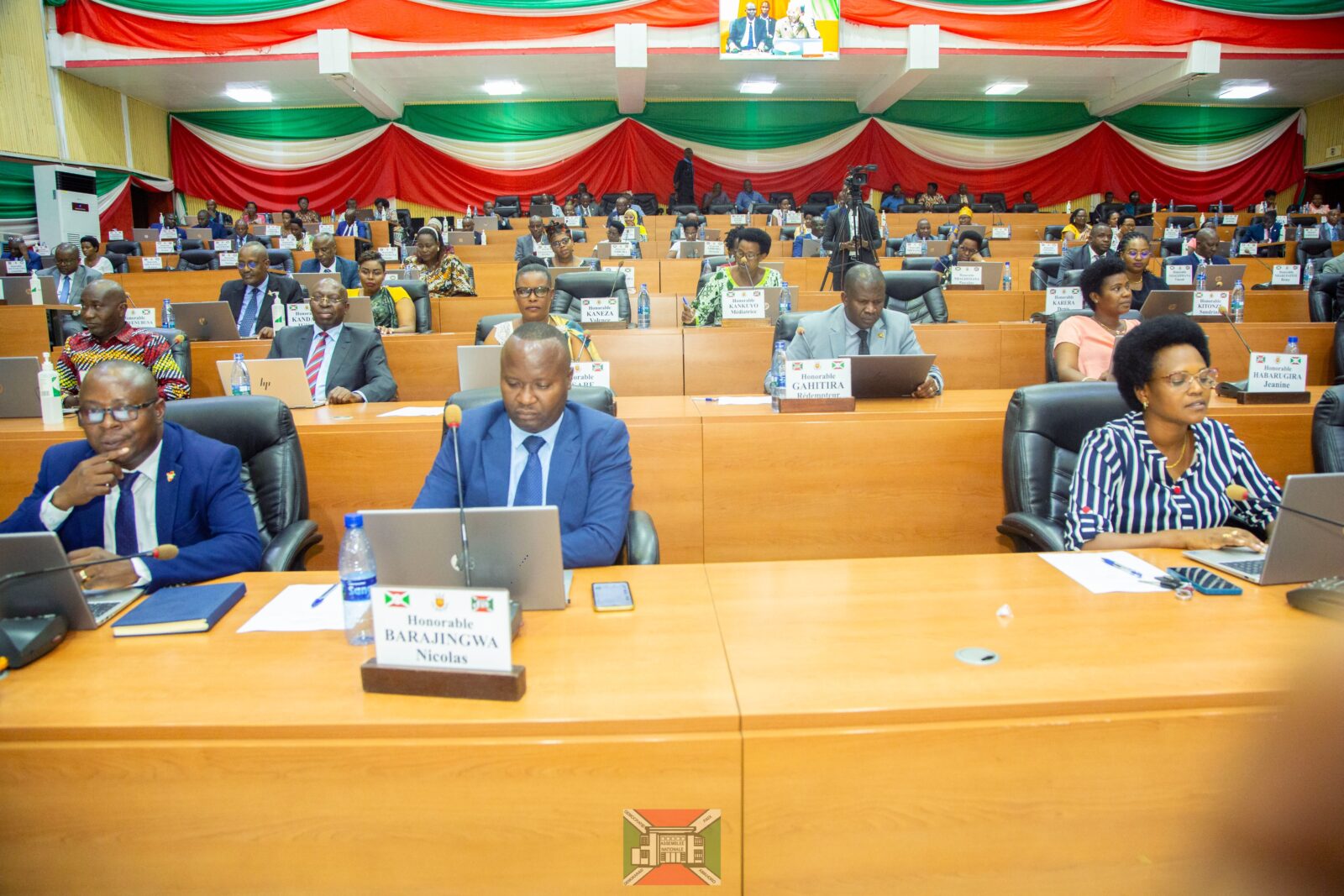
The appeal follows a plenary session held on May 28, during which members of Parliament discussed findings from field visits conducted in March across Burundi’s five newly established provinces. The visits revealed a series of persistent problems affecting agriculture, healthcare, education, infrastructure and access to basic services.
Among the concerns raised by lawmakers was the continued shortage of fertilizers and improved seeds, two issues that farmers have repeatedly cited as obstacles to increasing agricultural production. Parliament also noted complaints that the National Food Security Stock Management Agency (ANAGESSA) has not been purchasing maize at the official price, leaving many farmers struggling to make a profit.
The report also highlighted shortages of medicines in some health facilities, the departure of skilled professionals from the education and health sectors, inadequate teaching materials in schools and what lawmakers described as a decline in learning outcomes.
Outside the social sectors, parliamentarians pointed to chronic electricity shortages, a fuel crisis that has dragged on for several years, deteriorating road infrastructure, unfinished administrative buildings and a lack of access to safe drinking water in several communities.
For PARCEM, identifying these challenges is not enough.
The organization argues that Parliament should use its oversight role to push government institutions to provide clear answers on how and when these issues will be addressed.
Speaking during the presentation of the report, National Assembly Speaker Daniel Gélase Ndabirabe suggested that some solutions could come from increased production and stronger participation in cooperatives.
“You mentioned challenges related to fertilizers, improved seeds and the purchase of agricultural production,” Ndabirabe said. “Today, cooperative members are increasingly taking the initiative to look for fertilizers and seeds themselves under the guidance of their management committees. Cooperatives can also put pressure on authorities when these inputs are not distributed on time.”
He also stressed that local administrations have an important role to play in responding to citizens’ concerns.
“Everything related to organization, resources and expenditure is the responsibility of the commune,” he said, adding that authorities must first identify available sources of revenue before deciding how to address some of the challenges.
Yet many of the issues highlighted by Parliament are far from new.
Fertilizer shortages have been reported repeatedly over the years and are often blamed for poor harvests. Likewise, the country’s prolonged fuel shortage has disrupted transportation, increased the cost of living and affected businesses across multiple sectors.
In other areas, such as electricity, the government has regularly pledged improvements, but many households and businesses continue to experience unreliable power supply.