
More than 100 public and private companies in Burundi have gone bankrupt since 1987, according to a new report by the country’s anti-corruption watchdog, OLUCOME, which blames political interference, poor governance, and years of socio-political crises for the widespread collapse of key businesses.
The report by the OLUCOME documented the failure of more than 100 enterprises operating across nine sectors, including agriculture, telecommunications, banking, hospitality, tourism, and information and communication technology (ICT).
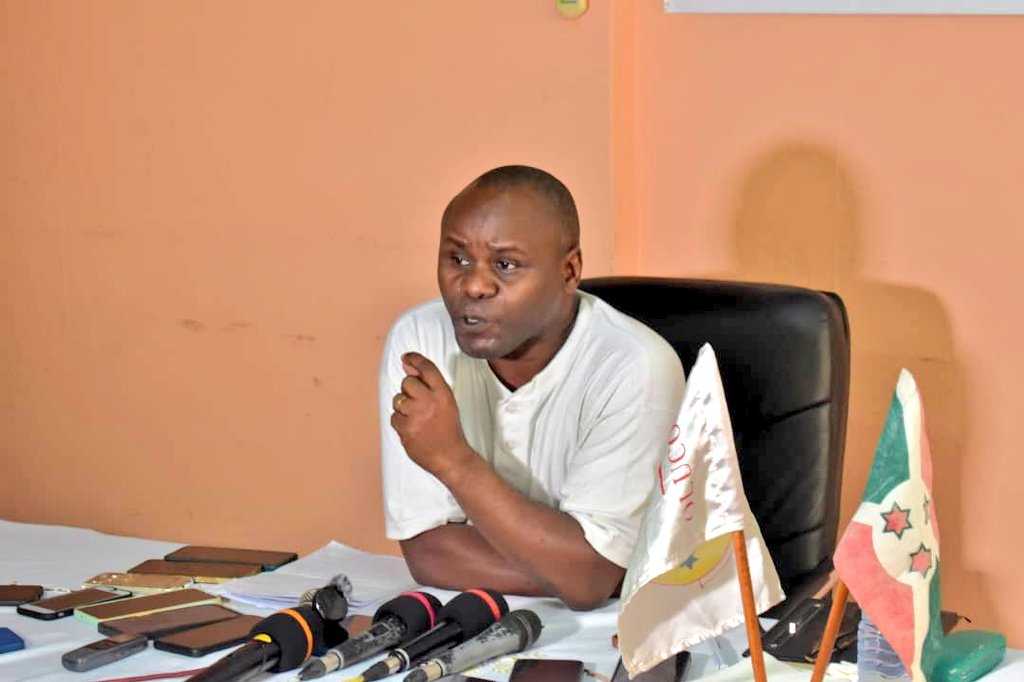
OLUCOME Chairperson Gabriel Rufyiri said the report aims to draw attention to what the organization describes as a long-standing pattern of institutional decline affecting both public and private enterprises.
“The leading cause is political interference, where the management of these companies has not been allowed to operate according to international standards,” Rufyiri said in Burundi’s economic capital Bujumbura on Wednesday. He added that the country’s civil conflicts have also contributed significantly to the collapse of many businesses.
Agriculture among the hardest-hit sectors
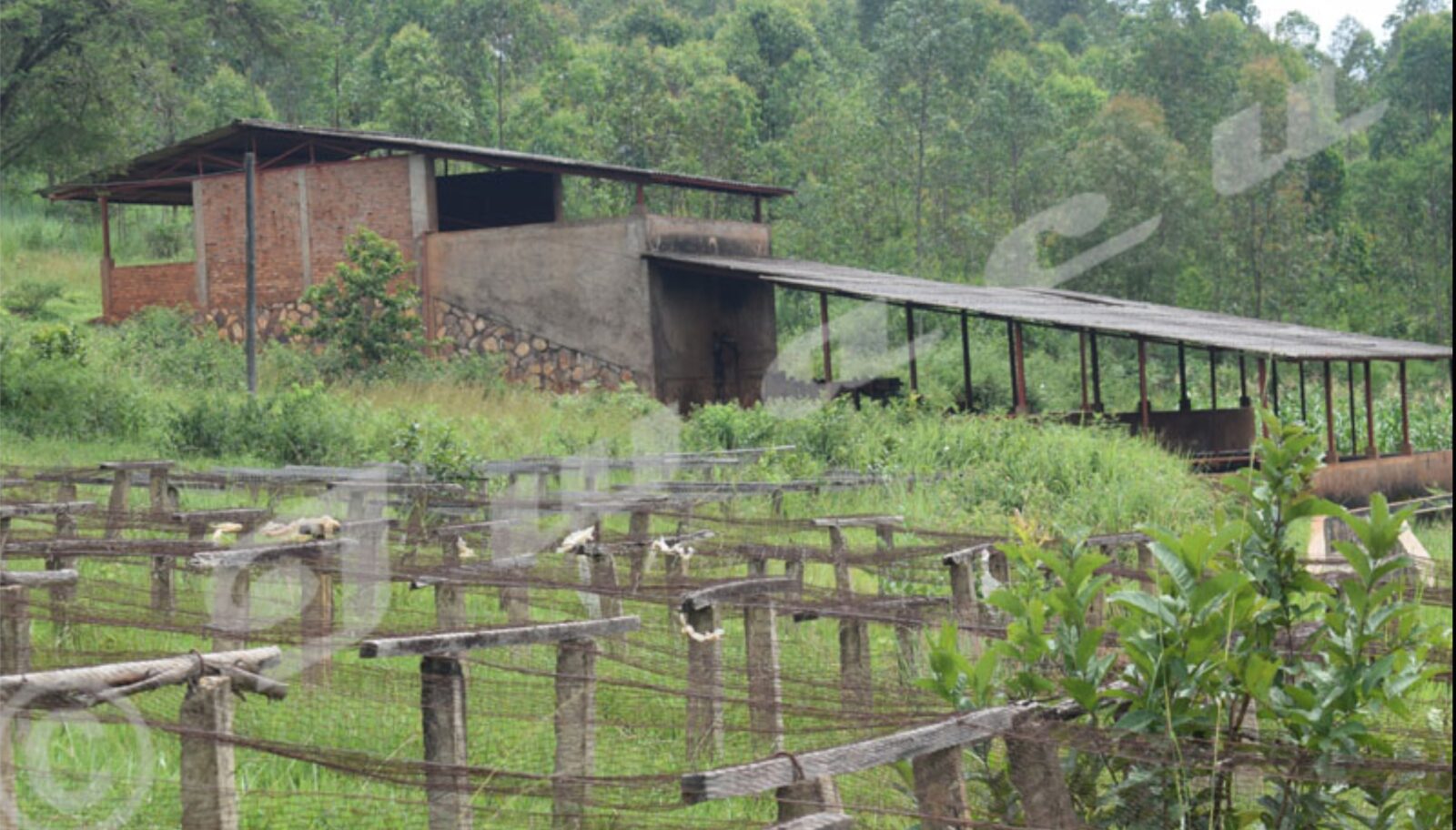
The report identifies the agricultural sector as one of the worst affected, citing the collapse of several SOGESTAL coffee washing station management companies, including those in Kayanza, Muyinga, Ngozi, Kirundo, and Mumirwa.
Rufyiri said many Burundians remain unaware that these once-important regional coffee enterprises have ceased operations.
The report also points to the continued struggles of the Burundi Tea Authority (OTB), describing its performance over recent years as evidence of broader governance challenges affecting state-owned agricultural institutions.
“All these developments show that things are not working as they should, which is why we want to raise a general alarm based on what we have observed,” Rufyiri said.
Telecom, banking and hospitality sectors also affected
According to OLUCOME, the telecommunications sector has also suffered significant setbacks, highlighting the closures of private operators Smart and Africel following financial collapse. The organization also cites the state-owned telecommunications company ONATEL as another enterprise that has experienced years of weak performance.
In the hospitality industry, the report lists hotels such as Novotel and Source du Nil among businesses that failed during the period under review.
The banking sector has likewise witnessed the collapse of several institutions, including CADEBU, Meridian Bank, and BCD, alongside other semi-public financial institutions.
OLUCOME also points to difficulties in the transport sector, referencing the state-owned transport company OTRACO. In 2021, President Évariste Ndayishimiye accused the company of causing substantial financial losses to the government by failing to meet its operational commitments.
The report attributes the failures to multiple factors, with political interference ranking as the primary cause.
According to OLUCOME, poor management practices, embezzlement within public enterprises, and governance failures have undermined the viability of many state-owned companies. The organization further argues that some private businesses were established through political patronage and disappeared following changes in government.
Government Acknowledges Concerns
Burundi’s General State Inspectorate said its own audits have reached conclusions similar to those outlined in the OLUCOME report.
“I would like to inform the public that the General State Inspectorate conducts oversight missions in various public enterprises, and wherever the national economy is at stake, we have reached the same findings as those presented by OLUCOME,” said Dominique Uwihoreye, Head of the Division for State-Owned Enterprises and Development Projects at the Inspectorate.
Uwihoreye called for the implementation of recommendations contained in audit reports, arguing that they could help improve the management of public institutions and strengthen oversight of public finances.
The publication of OLUCOME’s report comes only weeks after Burundian lawmakers criticized governance shortcomings at the state-owned sugar producer SOSUMO during parliamentary discussions in June, despite government pledges to implement reforms aimed at restoring the company’s performance.