
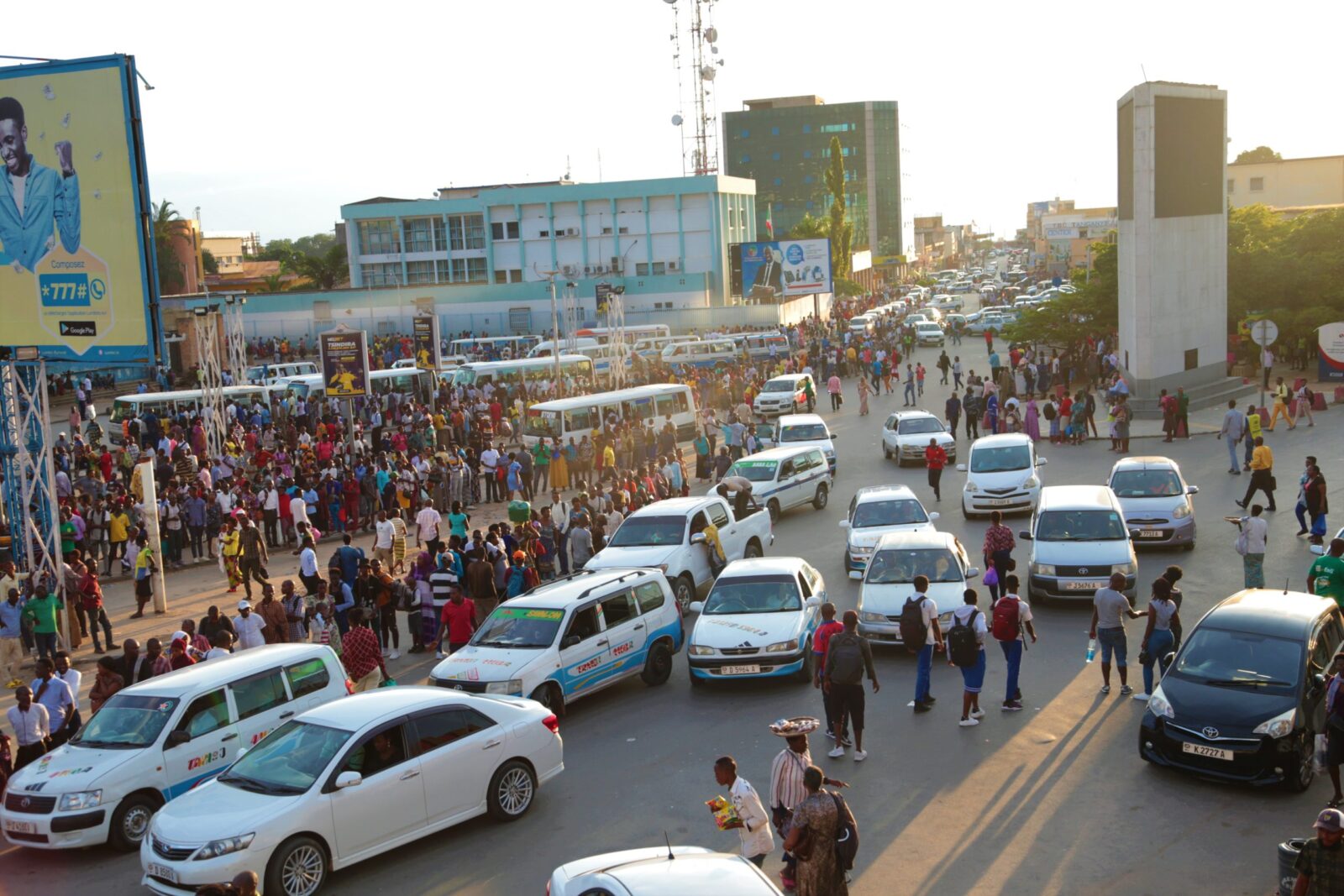
Burundi’s persistent fuel shortage is increasingly disrupting the transport of people and goods, driving up fares, encouraging illicit fuel trading and contributing to deadly road accidents, as the country continues to grapple with a crisis that has lasted for several years.
Although President Évariste Ndayishimiye has pledged to find a solution to the fuel shortage, the situation appears to be worsening, with shortages continuing to affect public transport and daily life across the country.
The week ended with hundreds of public transport buses forming long queues at fuel stations in Bujumbura, the country’s economic capital, with many waiting for hours without receiving fuel.
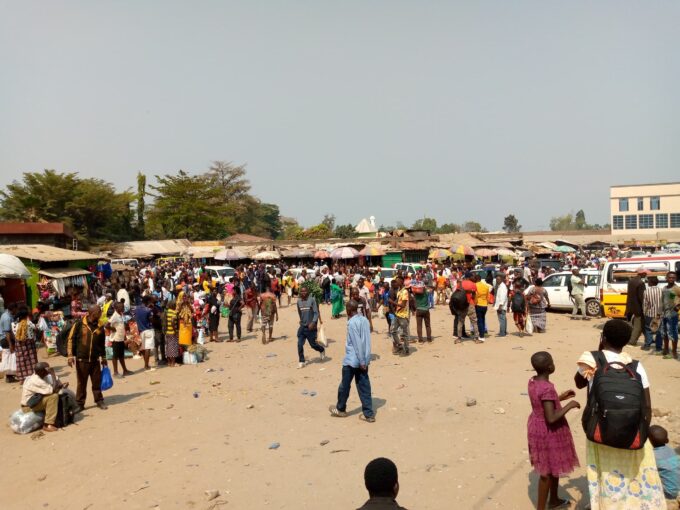
The shortage has also created long queues of passengers at bus terminals and in residential neighborhoods. Many commuters spend hours waiting, often uncertain whether a bus will arrive or whether they will be able to reach their destinations.
Transport fares surge as fuel shortage persists
While the shortage has created hardship for commuters, some transport operators are taking advantage of the situation by charging fares outside the usual regulatory framework.
In Bujumbura’s city center and residential areas, taxi operators have been setting their own prices and, in some cases, carrying more passengers than the vehicles are officially designed to accommodate.
Some taxis intended to carry four passengers are reportedly transporting five or more people under a system commonly known as “changa-changa”, in which several passengers share a taxi and divide the cost of the journey.
Fares vary depending on the neighborhood and destination and are reportedly not subject to effective regulation.
The fuel crisis has also led private owners of business and passenger vehicles to enter the informal paid-transport sector. Some are carrying passengers at prices they determine themselves, despite not operating from officially recognized or designated parking areas.
The phenomenon was confirmed earlier this week by Etienne Citegetse, commander of Burundi’s road safety police, during a press briefing.
“It is true that there is a new phenomenon. Since the fuel shortage problem began, some people have created employment for themselves by entering the paid transport business with their private vehicles. They call this phenomenon one-one or changa-changa,” Citegetse said.
He said authorities were working to stop the practice.
“We are doing everything possible to fight this phenomenon, and we are tracking these vehicles so that only vehicles authorized for paid passenger transport can provide this service,” he said.
Illegal Fuel Trade Flourishes
Another major consequence of the shortage is the growth of illicit fuel trading.
With many service stations running out of fuel in Bujumbura and several other urban centers, motorists and residents can reportedly find fuel being sold illegally in plastic containers at extremely high prices.
A liter and a half can reportedly cost between 23,000 and 25,000 Burundian francs, compared with the official price of around 4,000 francs per liter.
Beyond the financial burden, the illegal fuel trade is also creating serious safety risks because the fuel is often transported using inappropriate means.
One deadly incident occurred in late July, when two people died in an accident involving two motorcycles, one of which was carrying fuel. The crash resulted in the victims being burned to death.
Bigger Budgets, Little Relief
The fuel crisis has also renewed questions about Burundi’s economic management.
The country has been experiencing fuel shortages for an extended period, even as national budgets have increased substantially since 2021, according to PARCEM, a Burundian civil society organization.
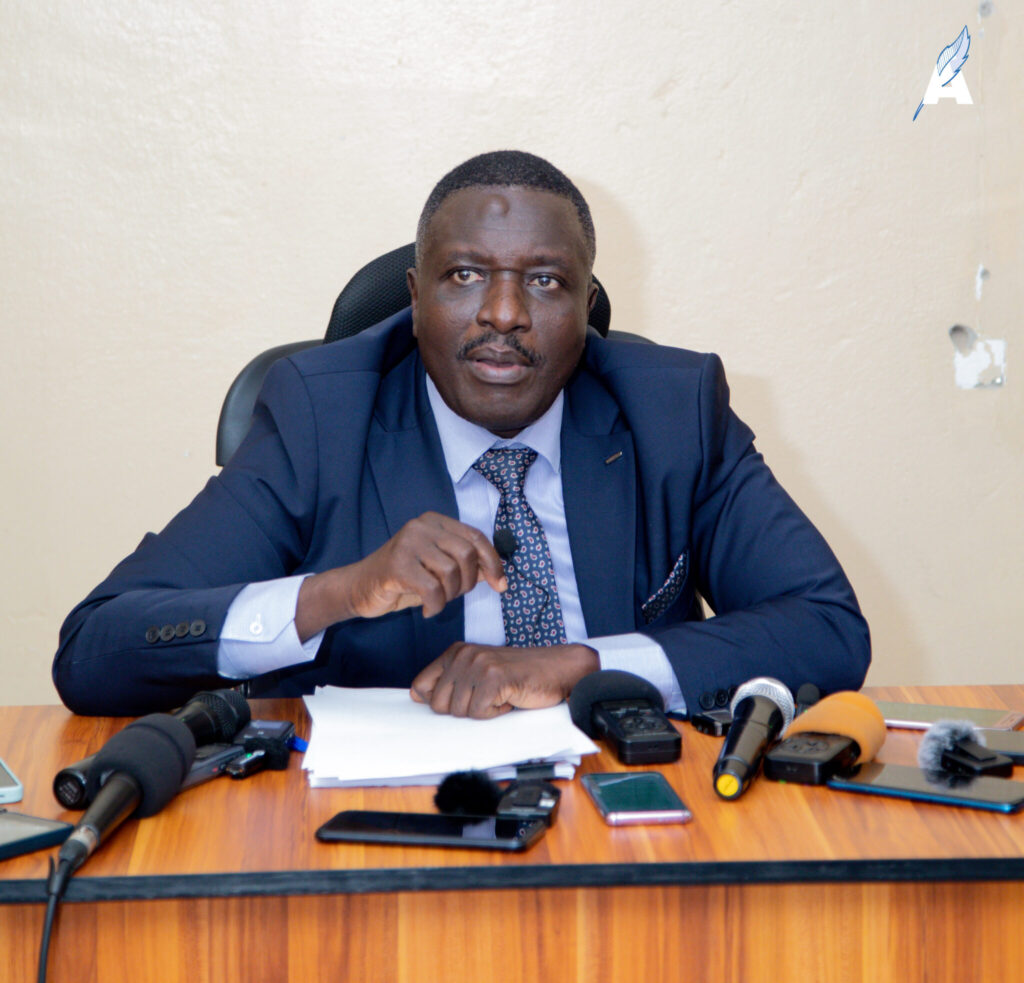
Speaking at a press conference on Thursday, PARCEM director Faustin Ndikumana criticized the sharp increase in government spending while living conditions and public services continue to deteriorate.
“If we analyze the situation, we see a tremendous increase in the amounts allocated in the national budgets, while the economic situation is not improving,” Ndikumana said.
He questioned whether successive increases in taxes and government revenues were translating into better living conditions for ordinary citizens.
“We should not come every year announcing new taxes and new amounts without asking ourselves whether this is contributing to improving the situation of the ordinary citizen,” he said.
Ndikumana noted that Burundi’s national budget was around 1,500 billion Burundian francs in 2021, compared with approximately 7,000 billion francs today — an increase of roughly five times.
“But the situation is not improving,” he said.
“How can you tell an ordinary citizen that the budget is 7,000 billion francs when the public transport service is in the state it is today?” he asked.
President says Burundi is not alone in fuel crisis
Civil society organizations have continued to highlight the broad socio-economic consequences of the fuel shortage.
However, President Ndayishimiye said earlier this month that the problem should be viewed in the context of a wider global fuel shortage and suggested that the situation is not unique to Burundi.
“Today, I am lucky because it is not only Burundi that does not have fuel,” the president said in an interview with the British broadcaster BBC.
He also linked the persistence of the problem to Burundi’s limited export capacity, saying the situation would continue as long as the country does not have enough to export.
A crisis approaching five years
Burundi has faced a severe shortage of petroleum products for nearly five years. The crisis has been linked in part to a shortage of foreign currency needed to import fuel, as well as other essential goods and medicines.
The prolonged shortage has contributed to wider socio-economic difficulties, affecting transportation, prices, household incomes and access to basic necessities.
For ordinary Burundians, the consequences are increasingly visible: hours spent waiting for public transport, sharply rising fares, dangerous informal transport practices and the emergence of a costly and risky black market for fuel.
With the shortage continuing despite repeated government assurances, pressure is mounting on authorities to find a lasting solution to a crisis that is increasingly affecting nearly every aspect of daily life.