
The local civil society organization PARCEM has called on Burundian authorities to take concrete measures to address the challenges facing young people and create conditions that allow them to achieve their aspirations.
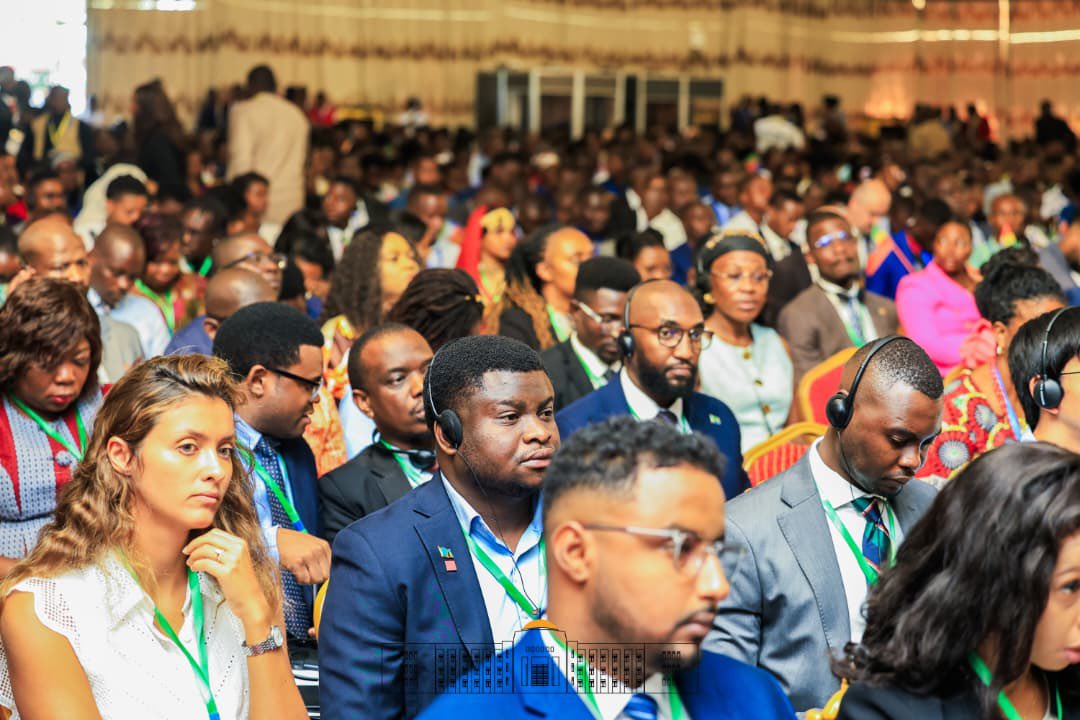
The appeal came as Burundi hosted the fifth edition of the Continental Dialogue on Youth, Peace and Security in Bujumbura, bringing together hundreds of participants from across Africa.
According to a survey conducted by PARCEM, young people’s aspirations—including access to quality education and infrastructure, electricity for income-generating activities, employment and financial opportunities—remain largely unmet in Burundi and across the continent.
“Burundian youth need better roads, energy and mobility,” PARCEM president Faustin Ndikumana said in a statement issued Wednesday. He also highlighted fuel shortages as a major constraint on economic activity, while pointing to limited access to jobs, equal opportunities and bank credit as obstacles to youth self-reliance and entrepreneurship.
Ndikumana said many young people with valuable talents are unable to develop them because they lack adequate equipment and resources. He warned that this is contributing to an exodus of skilled and ambitious young Africans to other continents and countries within the region.
“Burundi is one of the countries experiencing a massive departure of young people, many of whom go to countries in the sub-region,” Ndikumana said. He cited Burundians moving to countries such as Kenya and South Africa in search of livelihoods, arguing that the trend reflects growing frustration among young people about their prospects at home.
PARCEM also identified other challenges affecting youth, including what Ndikumana described as “clanism,” the political instrumentalization of young people and ethnic divisions.
Ndayishimiye urges youth to embrace work
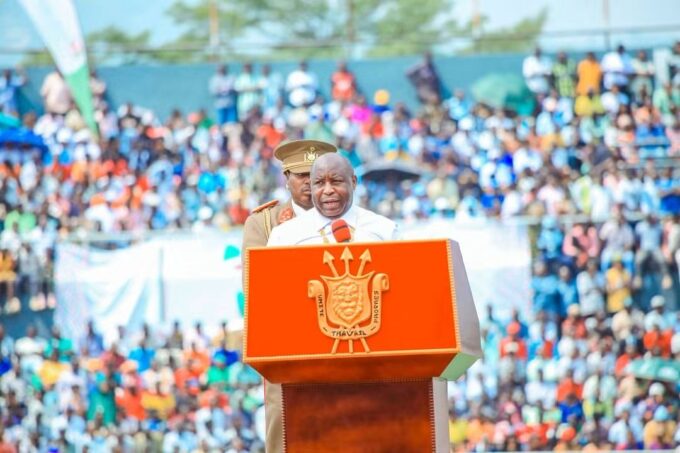
At the close of the continental dialogue, Burundian President Evariste Ndayishimiye again criticized young Burundians who leave the country in search of opportunities abroad, arguing that some aspire to benefit from already-developed economies rather than build their own livelihoods through work.
“It is very bad to live by begging,” Ndayishimiye said, while questioning why young Burundians dream of obtaining visas to Europe, the United States or Dubai.
His comments contrasted with PARCEM’s emphasis on the structural challenges pushing young people to seek opportunities abroad, including inadequate infrastructure, energy shortages, limited employment opportunities and restricted access to finance.
Ndikumana also raised concerns about what he described as uncontrolled debt accumulation by African countries, including Burundi. He warned that the burden could ultimately fall on future generations, particularly young people, without sufficient economic returns from the borrowing.
Youth demand a greater role in decision-making
Thierry Ingabire, president of the National Youth Council, called for young people to be given a more meaningful role in shaping policies and implementing the recommendations emerging from the dialogue.
“Our message at the end of this dialogue is simple: we do not want merely to be heard; we want to be entrusted with responsibility. We do not want merely to participate; we want to contribute,” Ingabire said.
He urged authorities to ensure that the dialogue’s recommendations are translated into concrete action within local communities.
“From dialogue to commitment, from commitment to action, and from action to transformation — this is the youth we want to build,” he said.
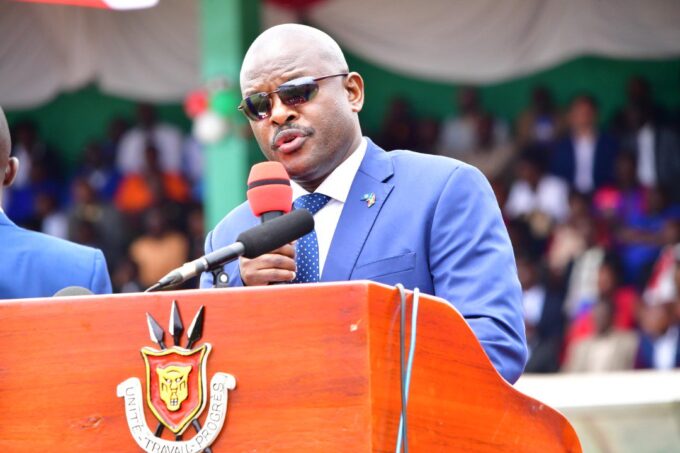
Responding to the call, President Ndayishimiye said the Bujumbura meeting should serve as the starting point for addressing young people’s demands and strengthening cooperation around youth, peace and security.
“Bujumbura should not only be the place where we held dialogue. It should be the starting point of a process that respects the diversity of our agendas while strengthening their complementarity and allowing us to progressively move from a culture of commitments to a culture of results and impact,” Ndayishimiye said.