
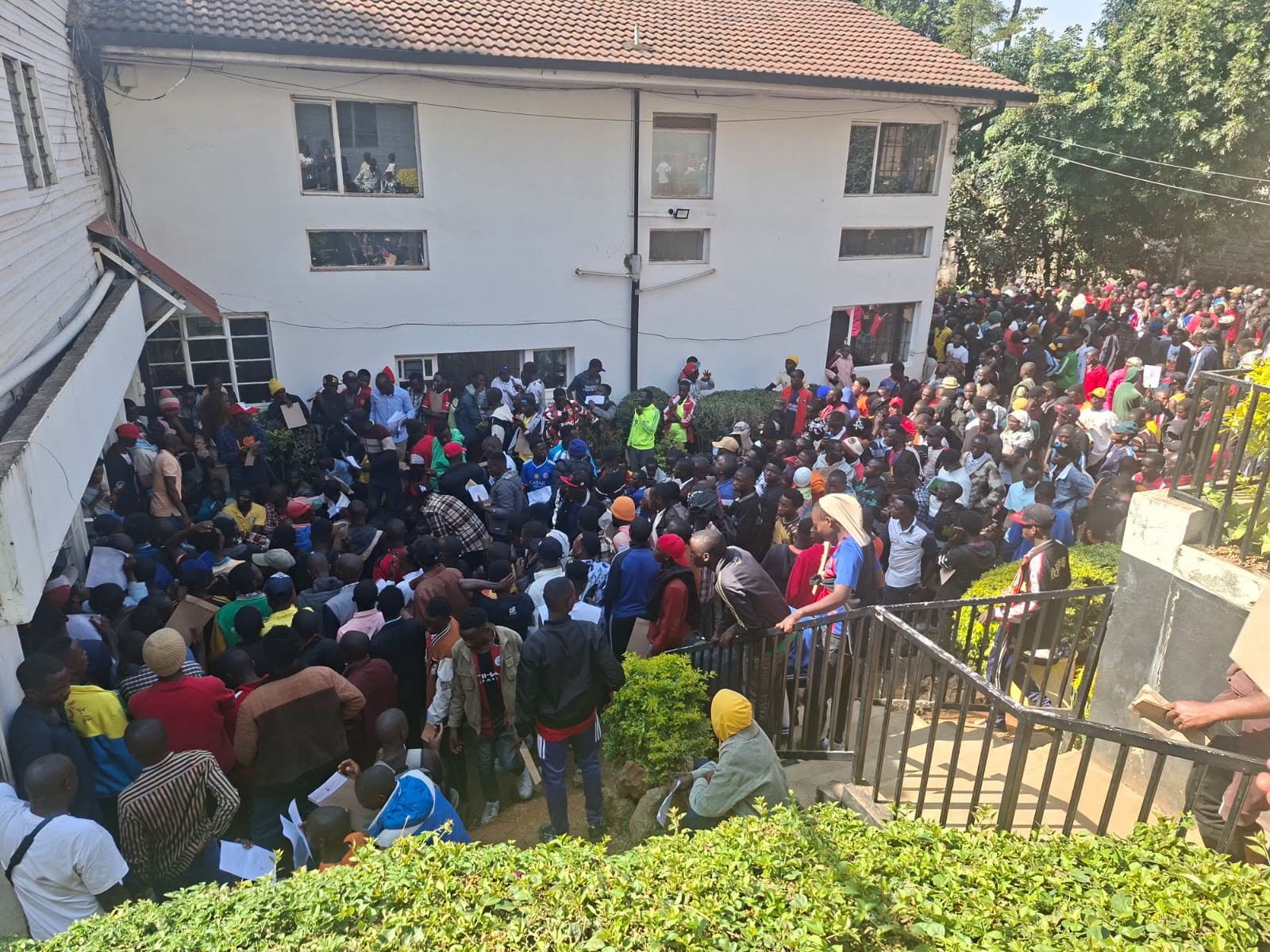
Hundreds of Burundian nationals gathered at the Embassy of Burundi in Kenya on Monday to obtain travel permits allowing them to return home, following an announcement by Kenyan President William Ruto that foreigners engaged in small-scale retail trade must cease such activities from Monday.
Long queues of Burundians seeking the document were reported at the embassy throughout the day, after Burundi’s ambassador to Kenya announced on Saturday that Burundians wishing to return home as a result of the Kenyan government’s decision would be issued the travel permits free of charge.
The increased demand came after the embassy assured those affected that the document would be provided at no cost.
However, some Burundians said they had chosen to remain at home, fearing arrest by police if they ventured onto the streets.
“The embassy’s statement calls on us to go and collect the travel permit on the very day we are supposed to stop our activities. We felt that going out onto the streets towards the embassy would be like committing suicide,” one Burundian told local media.
Kenya clarifies visa and work requirements
The Kenyan government has defended President Ruto’s announcement, saying the measures were intended to address what it described as misuse of visa arrangements by some foreign nationals.
In a statement issued on Sunday, Cabinet Secretary for Investments, Trade and Industry Lee Kinyanjui said some visitors had entered Kenya under investor or tourist status but subsequently engaged in activities that fell outside the conditions of their visas.
“There has been deliberate misuse of visa applications by some visitors,” Kinyanjui said, adding that the high number of foreigners involved in retail and local trade had created a need to ensure compliance with work-permit requirements.
The government stressed that visa-free entry or exemption from Kenya’s Electronic Travel Authorisation requirements does not automatically grant foreigners the right to work, trade or operate businesses in the country.
Kinyanjui said people found to be violating applicable immigration rules could have their visas revoked in accordance with Kenyan law.
At the same time, the government acknowledged Kenya’s commitments under the East African Community, including the free movement of goods and people within the regional bloc.
“The enforcement and implementation of the directive will be in compliance with the law and will be conducted in an orderly and transparent manner, and also in the spirit of the East African Community,” Kinyanjui said.
Burundi condemns violence and alleged attacks
The developments have raised concern in Burundi, particularly amid reports of violence and vandalism targeting Burundian nationals in Kenya.
The Burundian government on Saturday condemned acts of violence and vandalism allegedly committed against Burundians in Kenya. Burundi’s ambassador, however, urged caution over reports circulating on social media, calling for the authenticity of messages, photographs and videos to be verified.
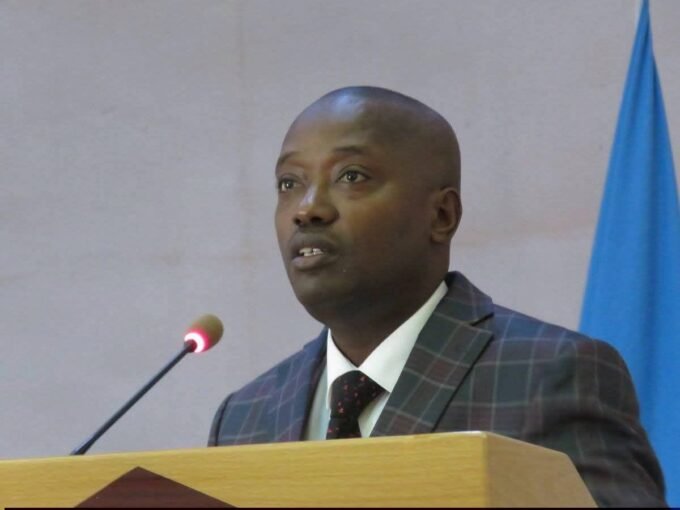
Burundi’s foreign minister also warned in a post on X on Sunday that the situation could change if hostility toward Burundians in Kenya continued. The minister was responding to a video in which a Kenyan national reminded Burundians that the deadline for implementing President Ruto’s announcement had arrived.
Civil Society Condemns Decision
The Burundian organization ALUCHOTO also condemned both the Kenyan government’s announcement and reported acts of violence against Burundians.
Vianey Ndayisaba, the organization’s coordinator, called for respect for East African Community rules and international legal instruments protecting freedom of movement and other fundamental rights.
“ALUCHOTO strongly condemns the persecution and mistreatment of foreigners, particularly Burundians living as migrant workers in Kenya,” Ndayisaba said.
He called on President Ruto to withdraw his remarks and urged an independent investigation into the reported abuses, with those responsible brought before the appropriate courts.
Artists appeal for calm

The controversy has also drawn reactions from prominent East African musicians.
Burundian-born singer Jean-Pierre Nimbona, widely known as Kidumu, who has lived in Kenya since 1995, expressed concern over reports coming from Nairobi.
In a statement posted on Facebook, Kidumu said he was currently touring Canada but considered Kenya his home. He said his wife is Kenyan, that they are legally married and that their children attend school in Kenya.
“What have Burundians and Rwandans done to be treated this way?” he asked, while appealing for the Burundian embassy to help affected people return home peacefully and with dignity.
Kidumu also offered the use of his 11-seater van to help transport people wishing to return to Burundi.
At the same time, he urged Burundians in Burundi not to retaliate against Kenyans, emphasizing that civilians should not be targeted because of actions committed against Burundians in Kenya.
“Two wrongs are never right,” Kidumu said, calling for the dispute to be resolved politically and diplomatically.
Kenyan musician Bien-Aimé Baraza, better known simply as Bien and a former member of the internationally known group Sauti Sol, also condemned the reported treatment of Burundians.
“Today it’s a Burundian in Kenya, tomorrow it’s a Kenyan somewhere else. An attack on one community is a threat to the dignity of us all. Let Africa be home for Africans,” Bien wrote on social media.
Uncertainty for Burundian traders
For the Burundians gathered outside their embassy on Monday, the immediate priority was securing the documents needed to return home.
The scenes of long queues came as Kenya began implementing the directive targeting foreigners involved in local retail and small-scale trade. While the Kenyan government says enforcement will be carried out in an orderly and lawful manner, reports of fear among Burundians point to growing uncertainty within the community.
The situation also highlights the tension between Kenya’s efforts to enforce immigration and work-permit regulations and its obligations under the East African Community framework, which promotes the movement of people and goods among member states.
As the measures take effect, Burundian nationals affected by the crackdown face difficult decisions over whether to remain in Kenya and seek to regularize their status or return home.