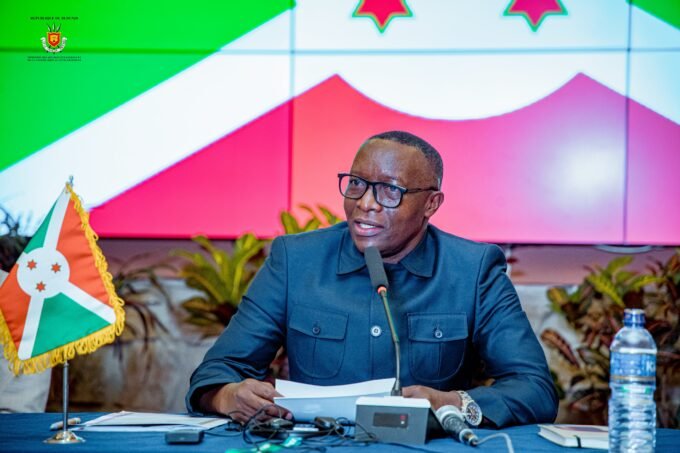

Burundi’s President Évariste Ndayishimiye has threatened to dismiss the entire leadership of the country’s revenue authority unless it changes its conduct, accusing officials of enabling tax fraud and obstructing efforts to improve revenue collection.
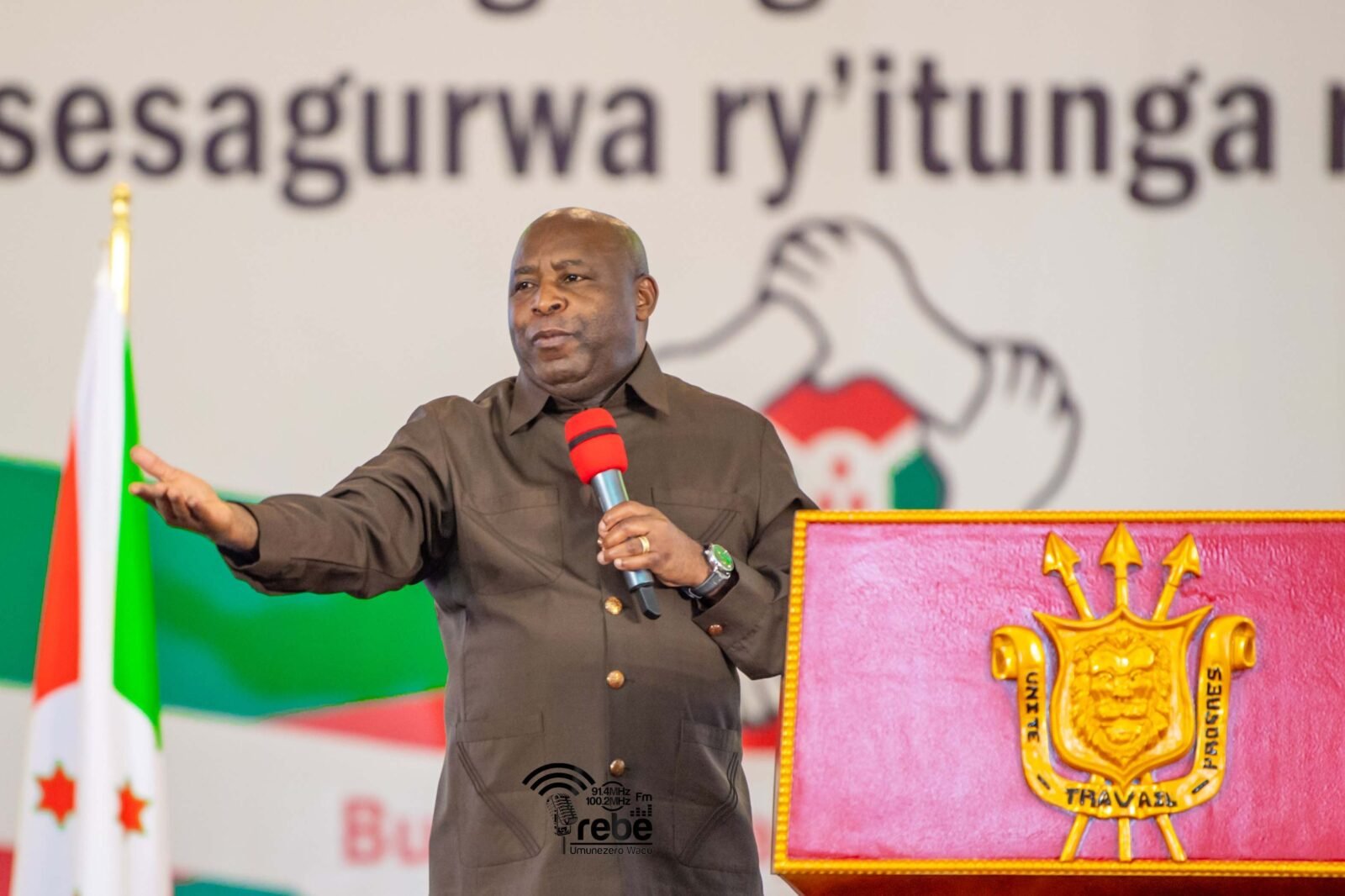
Speaking on Friday at the official launch of the implementation of Burundi’s National Anti-Corruption Strategy in the country’s economic capital Bujumbura, Ndayishimiye also said public officials found guilty of embezzling state funds would be placed on a blacklist barring them from future public employment.
He said the list would be consulted before appointments, even decades after an individual’s alleged misconduct. After five years, the names would be made public, and those listed would also be barred from employment in the private sector, he added.
The president did not provide details on the legal framework or procedures that would govern the proposed blacklist.
Ndayishimiye singled out the Burundi Revenue Authority, known by its French acronym OBR, accusing its officials of failing to collect taxes that were owed and of resisting the digitisation of their services.
“I guarantee you that I will dismiss all of you if you do not change your attitudes,” he told OBR officials.
He threatened to dismantle the authority if its staff failed to reform, saying he could assemble a parallel team to take over its functions. He also said officials could be removed and kept away from the new team to prevent interference.
“We cannot accept that you fail to collect taxes when there are taxes to be collected,” he said, adding that the government wanted greater transparency.
Ndayishimiye accused some OBR officials of favouring tax evaders and cited alleged resistance to digital systems as an obstacle to improving revenue collection. He did not provide specific evidence for the accusations during his remarks.
Anti-corruption efforts
The president also criticised the handling of public complaints, saying an initiative introduced when he took office in 2020 had been undermined by local authorities.
He said he had instructed provincial governors and communal administrators to install suggestion boxes so citizens could report grievances and suspected wrongdoing, with complaints subsequently forwarded to him.
Ndayishimiye said he had expected the state inspectorate to review the submissions monthly and investigate people implicated in wrongdoing. Instead, he said, local officials had assigned people to monitor those using the boxes, discouraging citizens from submitting complaints.
The initiative was intended to help identify public servants responsible for misusing state funds, he said.
The president said he had also introduced budgetary reforms to improve the tracking of public money through the state inspectorate. Those measures had exposed disagreements over public expenditure, including a misunderstanding with the finance minister, he said, without providing further details.
Despite these efforts, corruption remained a persistent problem, Ndayishimiye said, pledging further action against those responsible.
Revenue collection under scrutiny
The OBR has previously faced scrutiny from the president over its performance.
In 2024, Ndayishimiye appointed a new head of the authority following a reported shortfall of more than 1 billion Burundian francs in its accounts, according to local media reports. He subsequently called for stricter enforcement of tax collection.
Corruption in public services has also drawn criticism from local civil society groups and international organisations, despite repeated government pledges to tackle the problem.
Ndayishimiye’s latest threats signal renewed pressure on the revenue authority as the government seeks to strengthen tax collection and improve oversight of public finances. It remains unclear when the proposed blacklist would be introduced or how the threatened dismissals would be carried out.