
A group of Burundian civil society organisations has called on the African Union to take action against xenophobia in member states, saying attacks and discrimination against African migrants threaten the continent’s unity and stability.
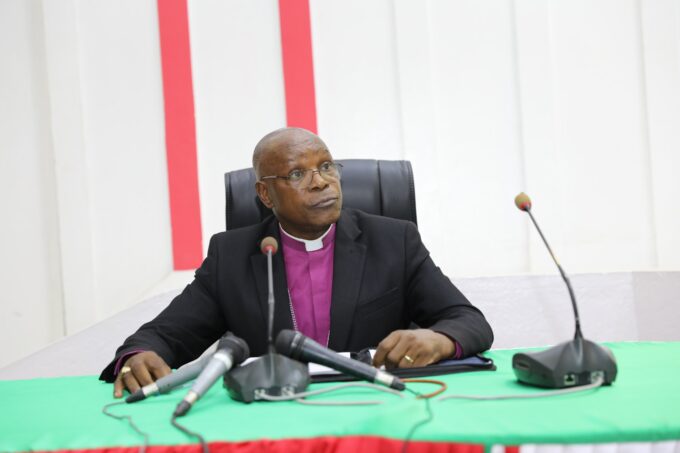
In an open letter addressed to the chairperson of the African Union Evariste Ndayishimiye, who is also Burundi’s president, the organisations — OLUCOME, OLUCHOTO, ABUCO and ONLCT où est Ton Frère — urged the continental body to issue warnings to any member state where forms of xenophobia occur and to ensure respect for international agreements protecting civil, political, economic and social rights.
“Xenophobia weakens the very foundations of African solidarity,” the organisations said in a statement issued on Wednesday.
They said xenophobia fuels violence, discrimination and division that contradict the pan-African ideals underpinning the African Union and various national, regional and international legal instruments.
The groups cited South Africa, Tanzania, Kenya and Zambia as countries where, they said, African citizens had faced deliberate rejection, targeted attacks, discrimination or exclusion because they came from another African country.
Such actions, they said, undermine trust among African peoples and threaten regional integration and efforts to implement existing treaties.
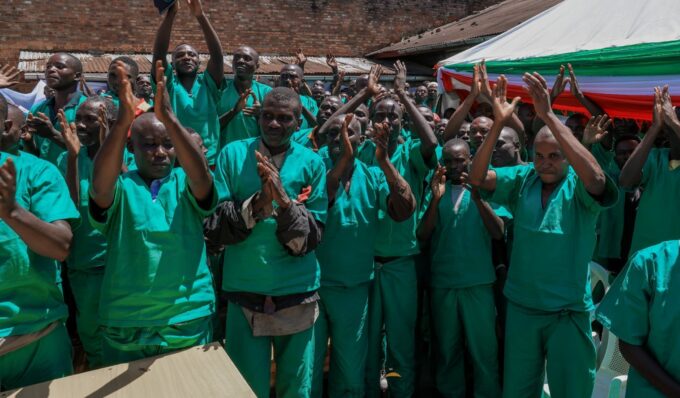
The statement came nearly two weeks after Kenyan authorities moved to restrict small-scale commercial activities by foreign nationals, giving those affected — mostly Burundian nationals — 90 days to regularise their status. The move was followed by reports of violence against Burundians working in Kenya, which Burundian authorities condemned.
The civil society groups said Burundi had subsequently encouraged some of its citizens in Kenya to return home.
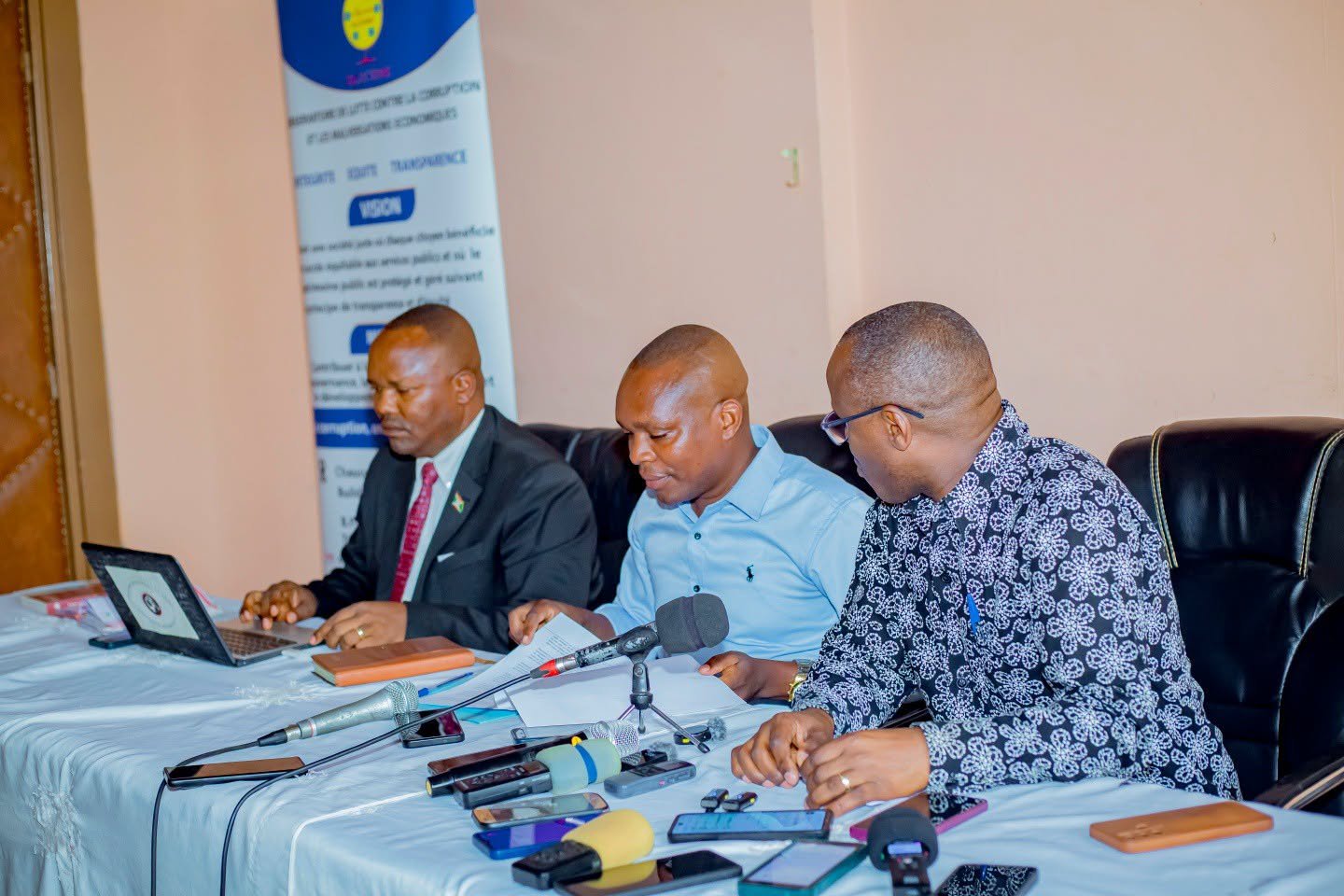
Speaking to journalists in the Burundian Economic capital Bujumbura, the representatives of those organisations said Burundians living in several African countries were facing difficulties regardless of whether they possessed the required documents.
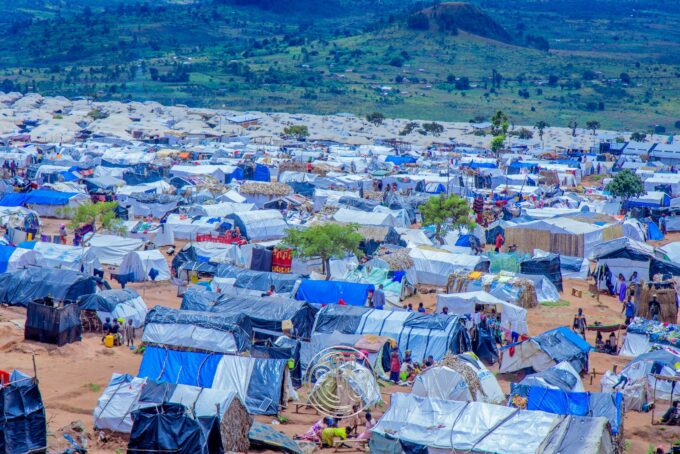
The organisations said migration within Africa was driven by a combination of economic and social pressures, demographic growth, governance challenges, climate change and regional and global geopolitical developments.
Burundi is among the countries experiencing significant outward migration as citizens seek employment and better working conditions, they said.
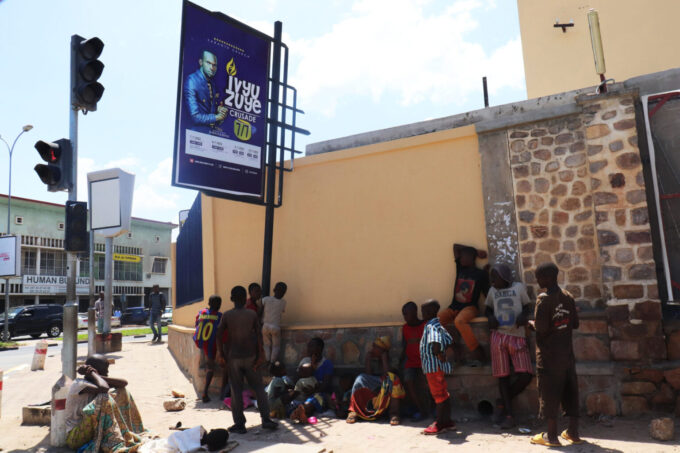
The groups argued that challenges including poverty, unemployment, inequality, insecurity and climate change required greater cooperation rather than barriers based on nationality, ethnicity, race, religion or political affiliation.
They called on the African Union to ensure that member states respect international treaties concerning civil and political rights as well as economic, social and cultural rights.
At the same time, the organisations said African governments should strengthen security and combat cross-border crime by establishing joint mechanisms to protect people and property during travel.
They also called for greater investment in Africa’s growing youth population, saying young people should be given the skills and opportunities needed to contribute to economic development rather than being treated as a security threat.
The organisations also urged the East African Community (EAC) to adopt rules allowing citizens of member states to travel freely within the bloc and to introduce a common identification document for EAC citizens.
OLUCOME, OLUCHOTO, ABUCO and ONLCT said they intended to work with civil society groups in other African countries to combat mistreatment of African migrants and added they would seek broader cooperation across the continent to address what they described as rising discrimination and violence against Africans living in other African countries.