
Burundi’s National Independent Human Rights Commission has said violations of human rights persist in the country, citing arbitrary and prolonged detentions, abductions, enforced disappearances and alleged abuses by police officers.
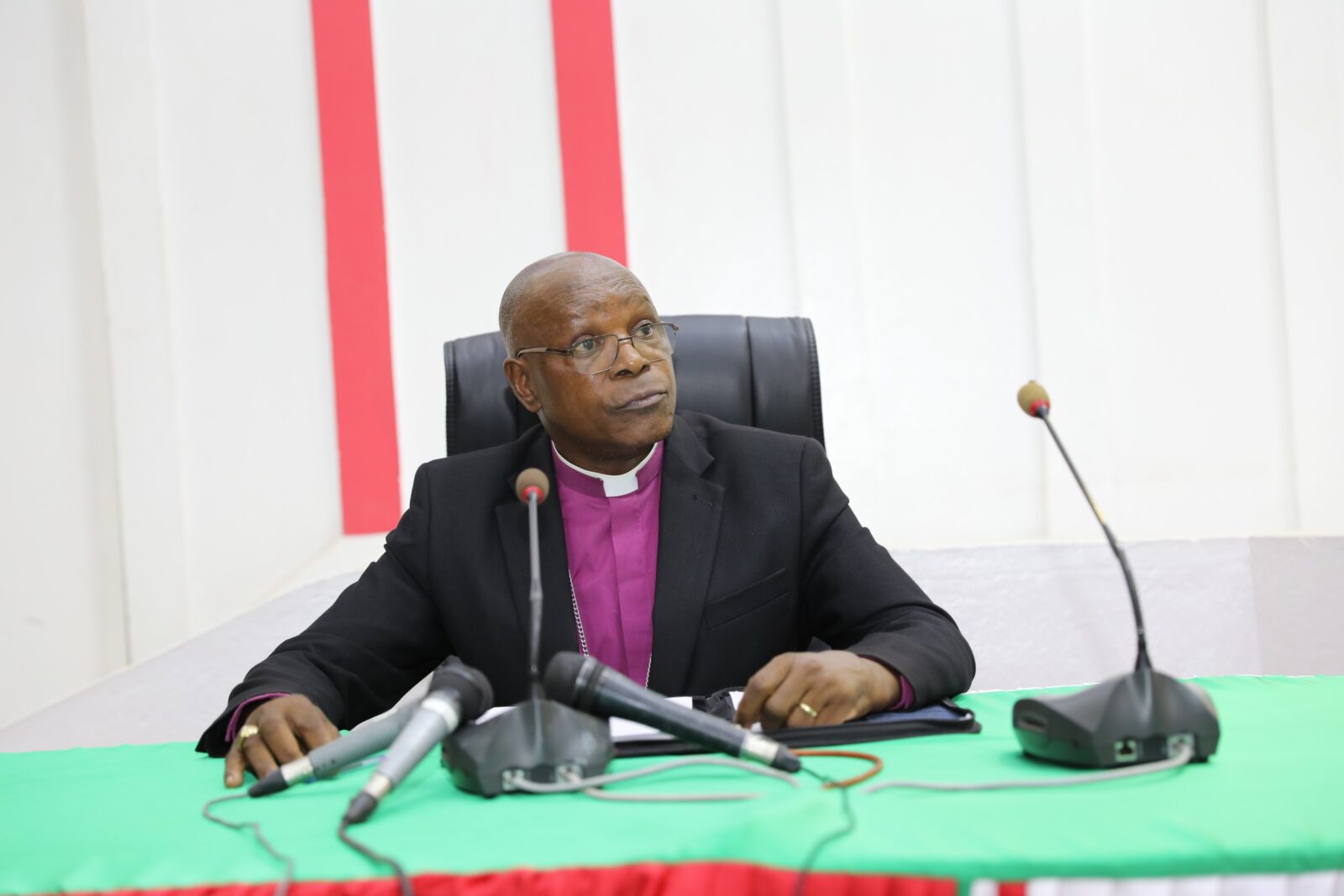
Presenting the commission’s 2025-2026 annual report to the lower house of Parliament on Thursday, CNIDH President Martin Blaise Nyaboho said the majority of complaints received involved civil and political rights.
The commission recorded 418 complaints involving civil and political rights, including 231 cases concerning the right to liberty and security. Of those, 223 involved alleged arbitrary or unlawful arrests and detentions, Nyaboho said.
The report also documented cases of abductions, some of which were followed by disappearances. Nyaboho said interventions by the commission helped locate some people reported missing, prompted judicial investigations and allowed the commission to monitor proceedings before the relevant prosecutors’ offices.
The report did not provide an exact figure for enforced disappearances during the reporting period. However, Nyaboho urged the government to take measures to eliminate abductions and enforced disappearances.
“The CNIDH calls for strengthening the legal framework to combat abductions and enforced disappearances,” Nyaboho said, urging Burundi to ratify the International Convention for the Protection of All Persons from Enforced Disappearance, which it signed in 2007.
The commission also raised concerns about prison conditions and the detention of people beyond legally prescribed periods.
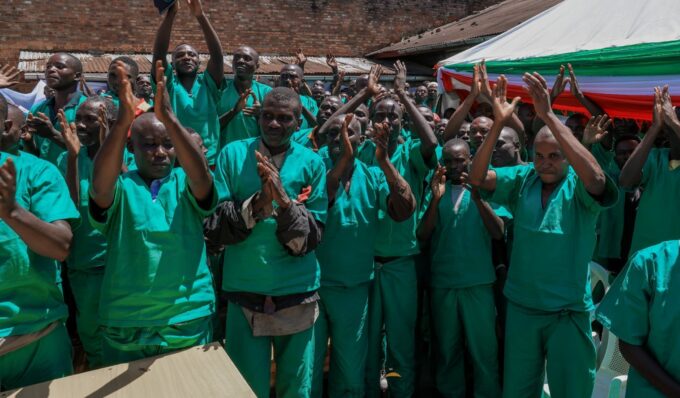
After monitoring the detention conditions of 6,223 people, the commission identified 135 cases in which legal detention periods had been exceeded, as well as 14 cases involving people detained for acts that do not constitute criminal offenses, including civil debts, Nyaboho said.
He said the commission’s advocacy efforts had contributed to the release of 1,088 people, representing about 17.5% of the detainees in the facilities visited.
The findings come amid continued concerns over overcrowding and arbitrary detention in Burundi. In May, lawmakers and civil society organizations also raised concerns about people remaining in detention after completing their sentences or receiving pardons.
The commission additionally reported alleged abuses by police officers, including the use of firearms against civilians, mistreatment and torture.
Lawmakers questioned Nyaboho about disciplinary measures taken against police officers accused of abuses.
“Identifying the alleged perpetrators is one thing; sanctioning them is another,” lawmaker Rédempteur Gahitira said, calling for information on sanctions to reassure the public and deter further abuses.
Nyaboho said some officers had been imprisoned while others had been dismissed from the police force.
“For the cases involving the police officers concerned, there are two types of sanctions: some have been imprisoned and remain in prison, while others have been dismissed from the police,” he said.
For the 2025-2026 reporting period, the CNIDH said it investigated 10 cases of torture and documented 36 cases of abduction. Some of those cases involved alleged enforced disappearances, while some victims were later found.
The commission called on the government to continue efforts to reduce prison overcrowding and strengthen measures against impunity and violations of the right to life.
It also urged authorities to strengthen the legal framework protecting people from human trafficking and enforced disappearances.
“The CNIDH recommends that the government pursue and strengthen its policy of reducing prison overcrowding and reinforce the fight against impunity, violations of the right to life, abductions and enforced disappearances,” Nyaboho said.