
Education unions and civil society groups in Burundi are calling for greater transparency and fairness in the recruitment of 5,000 teachers planned for the 2026–2027 school year, amid concerns over the composition of recruitment committees and the treatment of teachers who have previously passed recruitment tests.
The Union of Education Workers of Burundi (STEB) says it was not consulted about the appointment of union representatives to provincial and communal recruitment committees, raising concerns about the credibility of the upcoming process.
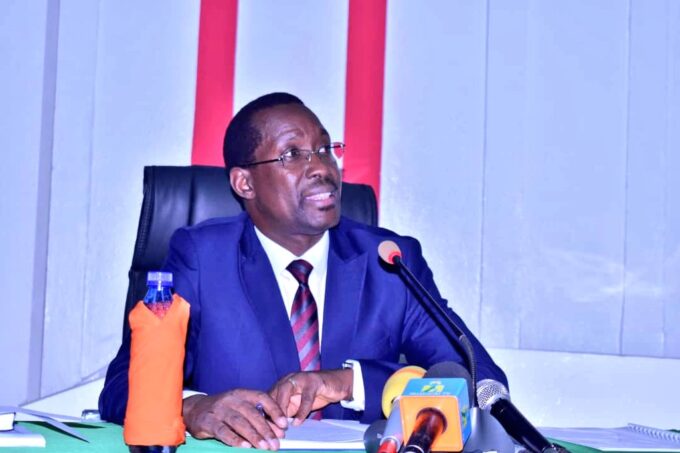
“We deplore the lack of transparency in the establishment of the recruitment committees,” STEB Chairperson Remy Nsengiyumva said Tuesday in comments to local media. He said a recent decision by the president of the national recruitment commission appointed provincial and communal committees, including people presented as representatives of trade unions, without consulting the unions themselves.
“We should be consulted. We should come together and determine who is qualified for these positions,” Nsengiyumva said.
He warned that the lack of consultation could undermine the recruitment process, citing irregularities that he said had occurred during previous teacher recruitment exercises.
“There have been problems in previous years,” he said, calling for those responsible for appointing the committee members to explain how the representatives were selected.
Calls to prioritize teachers already on waiting lists
STEB is not alone in raising concerns about the recruitment process.
The Association for the Fight Against Unemployment and Torture (ALUCHOTO) has urged the government to first recruit teachers who passed previous recruitment examinations but were not ultimately hired.
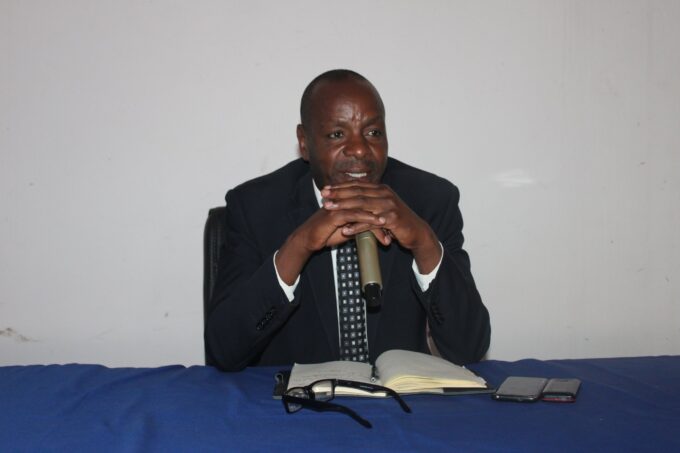
“The government should not rush to organize a new competition, but should instead recruit those who were selected in previous years and are still on waiting lists,” ALUCHOTO National Coordinator Vianney Ndayisaba said Tuesday.
Ndayisaba also called for recruitment to be based on merit and conducted without political or regional favoritism.
“They should first recruit them transparently according to the marks they obtained, then organize a competition for new teachers, without taking into account political affiliation or region,” he said.
Volunteer teachers seek priority
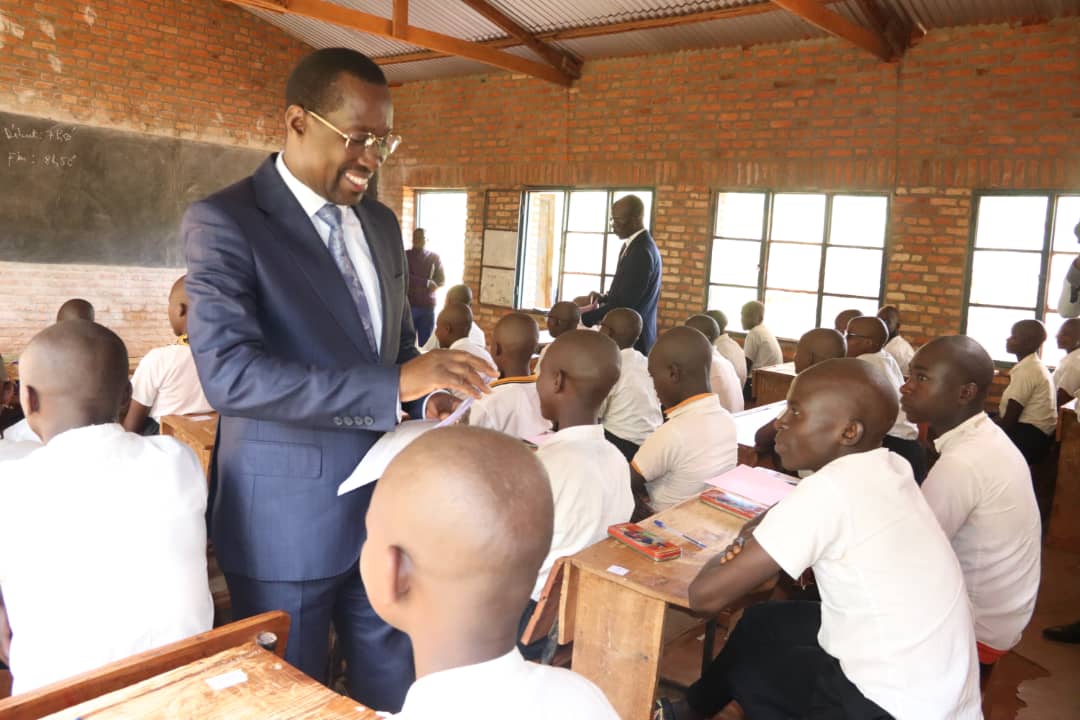
Another major issue is the large number of volunteer teachers working in Burundi’s schools because of persistent staffing shortages. There is no official figure for the number of volunteers, but education-sector actors estimate that their number could be around 10,000.
ALUCHOTO says these teachers should be given priority in the upcoming recruitment because many have spent years teaching for very low or irregular compensation.
“Some have spent years teaching as volunteers, for example for 50,000 Burundian francs a month. They should therefore be the first to be considered,” Ndayisaba said.
The National Federation of Education Sector Trade Unions (FENASEB) has made a similar appeal.
FENASEB President Antoine Manuma said volunteer teachers work under difficult conditions despite continuing to provide essential services to schools.
“In all cases, volunteer teachers are complaining because they work without being paid. That is why they should be given greater consideration in this recruitment,” Manuma said.
He cited the example of Mugere commune in Bujumbura Province, where he estimated that about 400 volunteer teachers are working under difficult conditions because their compensation is irregular.
“They should therefore be recruited according to the resources allocated to this recruitment, because there are positions available and schools need teachers,” he said.
Government plans to hire 5,000 teachers
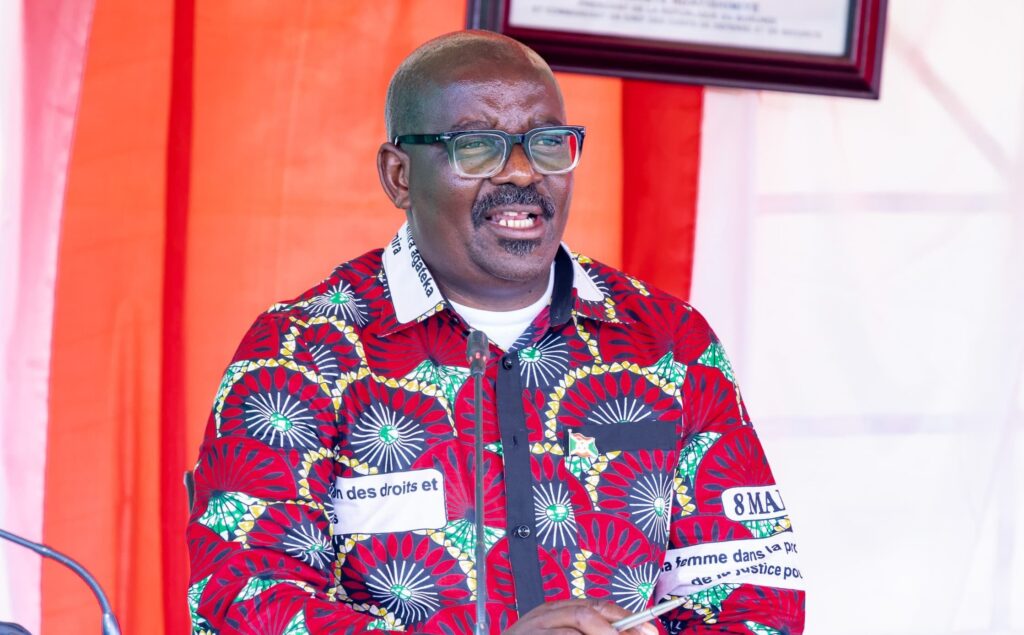
The concerns come after the government announced last week that it would recruit 5,000 teachers ahead of the 2026–2027 school year to address the shortage of teaching staff.
According to Secretary General of the Government Jérôme Niyonzima, the recruitment plan was developed based on staffing needs submitted by provincial education authorities and within the limits of the budget allocated by the government.
“The total needs expressed amount to 14,330 teachers,” Niyonzima said following a Cabinet meeting last week.
However, the government has budgeted 17.785 billion Burundian francs (BIF) for the recruitment, an amount that will allow it to hire 5,000 teachers, he said.
The planned recruitment would therefore cover only a portion of the staffing needs identified by provincial education authorities.
Unions say recruitment will not solve the shortage
Despite welcoming the planned hiring, FENASEB says the number of new teachers will remain insufficient to address the country’s education staffing crisis.
“Although we see some improvement in numbers compared with previous years, there is still a long way to go, and a large number of learners will continue to be without teachers,” Manuma warned.
Burundi has faced persistent challenges in its education sector, including shortages of qualified teachers. The problem has been compounded by the departure of public-sector workers seeking better economic opportunities abroad.
The government has said it intends to improve conditions for public employees in an effort to retain workers, but education-sector organizations say staffing gaps remain significant.