

The Burundian government is considering salary increases for employees in key public services as the country grapples with a growing exodus of skilled workers seeking opportunities abroad.
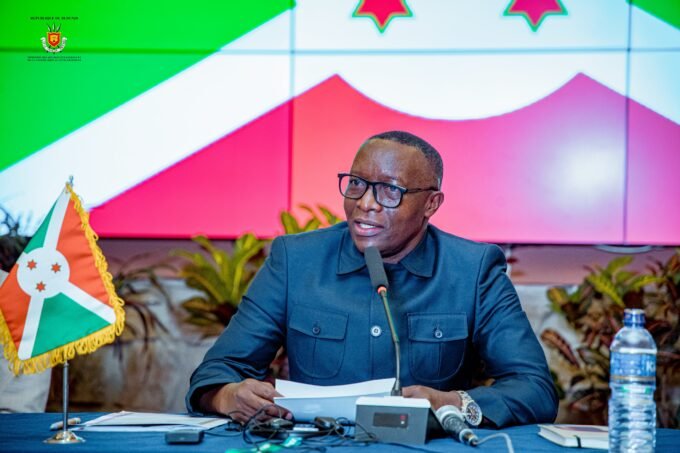
During a public broadcast on Thursday, Prime Minister Nestor Ntahontuye downplayed concerns over the departure of Burundians to foreign countries, arguing that migration has long been part of the country’s history and can contribute positively to national development through remittances and diaspora engagement.
“The diaspora is now contributing to development projects that support the implementation of the country’s vision,” Ntahontuye said. “Going abroad to work and earn a living for one’s family is not a problem.”
The prime minister compared the current migration trend to earlier periods when Burundians traveled to neighboring Uganda—commonly referred to as “i Manamba”—in search of employment opportunities to support their families.
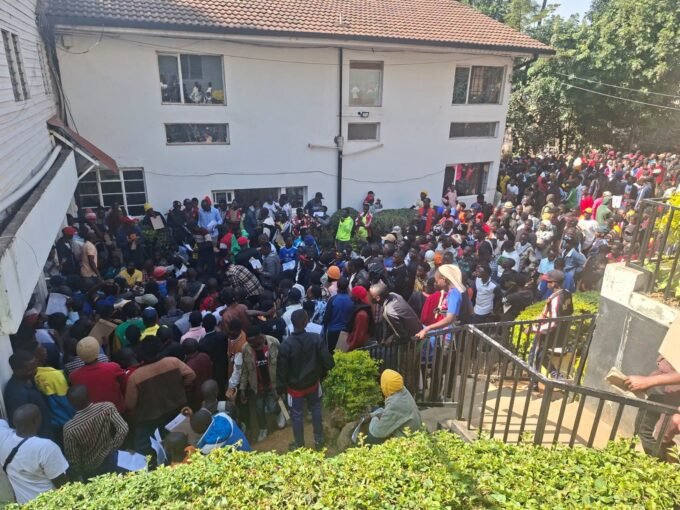
His remarks come as Burundi faces a significant brain drain affecting several sectors, particularly education and healthcare, where increasing numbers of public servants have left their positions to pursue better opportunities abroad.
Ntahontuye acknowledged the staffing shortages and said the government has already taken measures to mitigate their impact, especially in the education sector.
“It is true that personnel are limited in certain fields such as health and education,” he said.
According to the prime minister, teachers in primary and secondary schools who leave their jobs are being replaced immediately through a pool of candidates who have already passed recruitment examinations and remain on waiting lists, as well as through the use of temporary teachers.
In the health sector, where shortages have become increasingly acute, Ntahontuye said the government is exploring salary increases as part of a broader effort to retain medical professionals.
“We are currently examining the situation in the health sector. A solution may soon be found through a plan to increase their salaries, as we have done for other public servants, because the shortage of healthcare personnel is a serious concern,” he said.
The proposed salary review would also extend to university lecturers, another group heavily affected by emigration.
“The measure also concerns university teachers,” Ntahontuye said. “I have asked the Minister of Education to prepare a memorandum that will soon be examined by the Council of Ministers so that appropriate measures can be adopted.”
Despite the government’s plans to address staffing shortages, senior officials have previously portrayed the migration trend in positive terms.
In April 2025, President Évariste Ndayishimiye described the departure of public servants to other countries as one of the ways Burundians seek to improve their livelihoods. Earlier, in January 2025, Révérien Ndikuriyo, secretary-general of the ruling CNDD-FDD party, said the migration of skilled workers demonstrated that Burundian expertise is increasingly recognized internationally.
However, earlier this week, the Conference of Catholic Bishops of Burundi identified the mass departure of Burundians as one of the country’s most pressing challenges, alongside a range of political, social, and economic difficulties facing the nation.