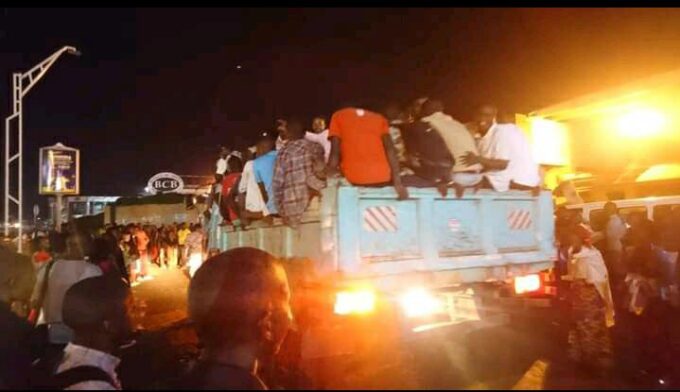

Recurrent electricity outages and shortages of drinking water are disrupting daily life in several cities across Burundi, affecting households, businesses and income-generating activities.
The disruptions, which can last for several hours or even days, have become a growing concern for residents who depend on reliable water and electricity supplies for their livelihoods and essential services.
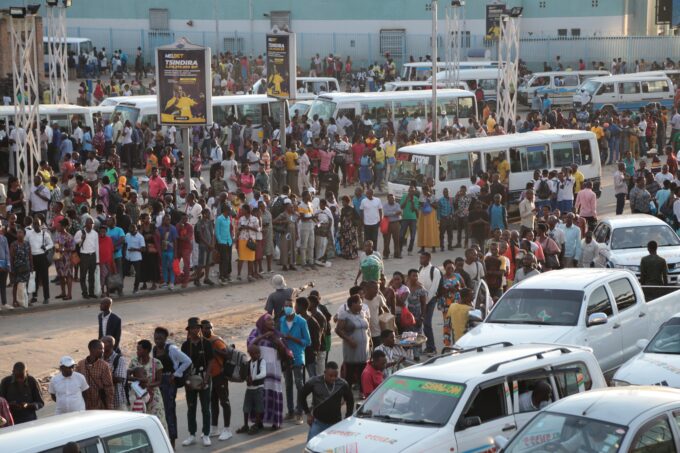
In the economic capital, Bujumbura, businesses and workers whose activities depend on electricity and water supplied by the state utility REGIDESO say they are suffering losses as a result of the frequent interruptions.
“The frequency of the outages is high. Solutions must be found. If the electrical cables are damaged, they should be replaced. Otherwise, we are tired of this situation,” one resident said.
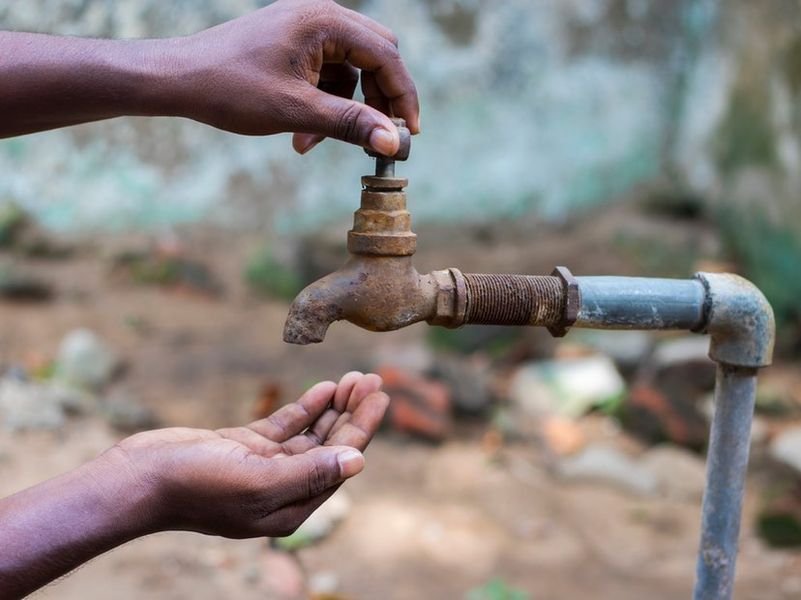
The situation is also being reported in other urban centers, including Gitega, the political capital, as well as Ngozi, Kirundo and Bubanza. In some areas, access to drinking water has become increasingly difficult, forcing residents to buy water from alternative suppliers when it is available.
A 20-liter container can cost between 500 and 1,000 Burundian francs, according to residents, with additional transportation costs in some neighborhoods where water is delivered by bicycle taxis. The added expense is putting further pressure on households already struggling with limited access to basic services.
Electricity shortages are similarly affecting businesses and public services across several cities. While some enterprises could potentially rely on generators, that option is often impractical because Burundi has been experiencing a prolonged shortage of petroleum products.
Civil society organization PARCEM criticises the situation, warning that persistent shortages of water and electricity are having serious economic and social consequences.
“The lack of drinking water and electricity cuts persist in all provinces of the country. Yet these shortages have a huge cost for citizens because of the interruption of income-generating activities, deteriorating hygiene conditions and the paralysis of businesses,” PARCEM said in a post on X earlier this week.
The organization calls on the authorities to adopt more rigorous planning, ensure transparent investment and improve infrastructure management. It urges the government to urgently modernize distribution networks and anticipate the population’s growing needs for both water and electricity.
Authorities should provide concrete solutions, a clear timetable and measurable results rather than promises, according to PARCEM.
REGIDESO Blames Falling Hydropower Production
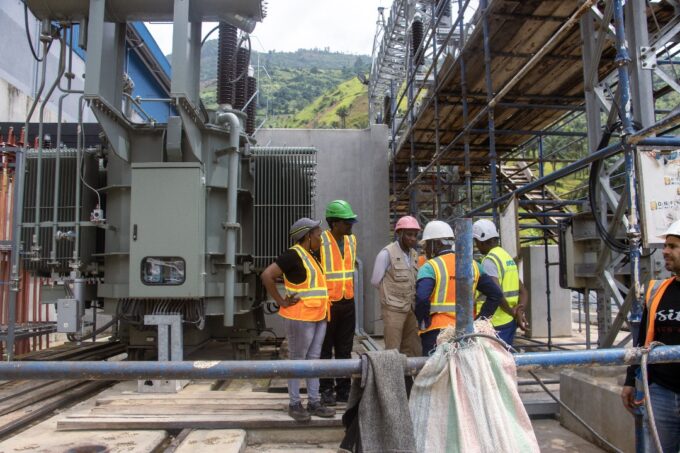
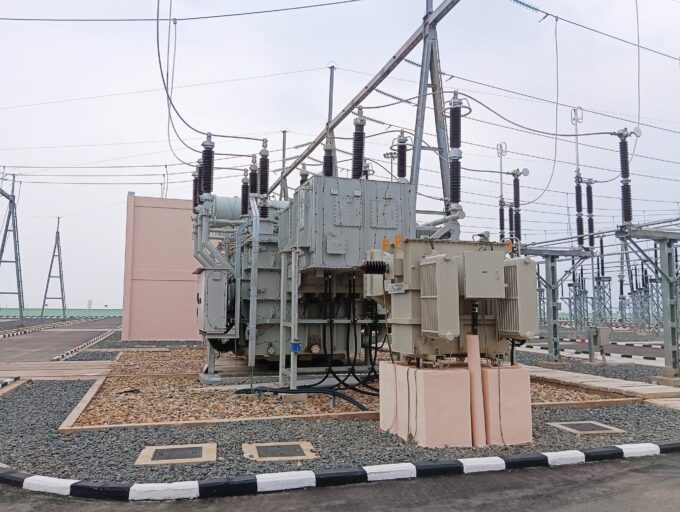
REGIDESO, the state-run utility responsible for distributing both water and electricity, has attributed the electricity shortages in part to a decline in output from several hydropower plants.
Speaking at a press conference Monday, Jean Albert Manigomba, the utility’s director general explained that most of Burundi’s power plants, apart from the Rwegura facility, are run-of-river plants with limited water storage capacity. Their electricity production therefore depends heavily on water levels.
“When citizens see repeated electricity cuts, they wonder what is really happening,” Manigomba said. “The fact is that, apart from the Rwegura power plant, the plants we have today are run-of-river plants, meaning their reservoirs do not have a large water-storage capacity.”
He said electricity production normally increases during the rainy season when water levels are higher, but falls sharply during dry periods.
According to REGIDESO, unusually low water levels have significantly reduced output at several facilities. The Rusumo Falls plant, which previously supplied about 28 megawatts, is currently producing around 10 MW, while the Jiji plant has fallen from approximately 32 MW to about 5 MW.
The utility said the decline has affected several power plants across the country. Rwegura is currently the only plant operating continuously, with a maximum output of about 18 MW, according to the utility.
The director general attributed the situation partly to what he described as unprecedented climate-related changes and reassured the population that electricity production should improve once the rains return.
“We reassure the population that, with the first rains, these power plants will once again produce sufficient electricity,” he said.
Growing Demand Adds Pressure to Water Supply
REGIDESO has also previously attributed water shortages to the rapid expansion of cities such as Bujumbura and Gitega. According to the utility, the growth in demand has outpaced the available water supply.
The company has additionally cited aging infrastructure as another factor contributing to disruptions in water distribution.
For residents and businesses, however, the immediate impact remains the same: interruptions to essential services, rising costs and difficulties maintaining normal daily activities.