
Burundi’s anti-corruption watchdog OLUCOME has called on Parliament to take decisive action to liberalize the country’s fuel trade, arguing that increased competition could help address the persistent fuel shortages that have plagued the country for nearly five years.
The call comes as the government maintains that a lack of foreign currency remains the primary obstacle to fuel imports, making comparisons with the recent liberalization of the sugar market inappropriate.
Speaking to local media on Tuesday, Gabriel Rufyiri, chairman of OLUCOME, said Parliament has the legal authority to compel the government to act more effectively in resolving the recurring fuel crisis.
“Normally, Parliament has standing and specialized committees that can examine issues when things are not functioning properly in the country to the detriment of citizens,” Rufyiri said.
He criticized lawmakers for what he described as a failure to adequately respond to the widespread hardships caused by fuel shortages.
“Why does Parliament appear unaware of the long queues of citizens seen everywhere searching for fuel? I believe Parliament does not fully understand its role. Otherwise, a commission would be established to push the government to take action against this fuel shortage,” he said.
Parliament Raises Liberalization Option
Earlier this month, members of Parliament themselves raised the possibility of liberalizing the fuel market, citing the apparent success of similar measures in addressing sugar shortages.
For several years, Burundi experienced recurring shortages of sugar before authorities allowed private imports, particularly from neighboring Uganda, helping improve availability.
During a session of oral questions in the National Assembly, MP Floribert Nzambimana asked whether the same approach could be applied to fuel imports.
“In recent years, there was a sugar shortage, but following the liberalization of the trade in this commodity, sugar is now available. Given the fuel shortage, could the same strategy used for sugar be applied to fuel in order to reverse the trend?” he asked.
Government Rejects Comparison
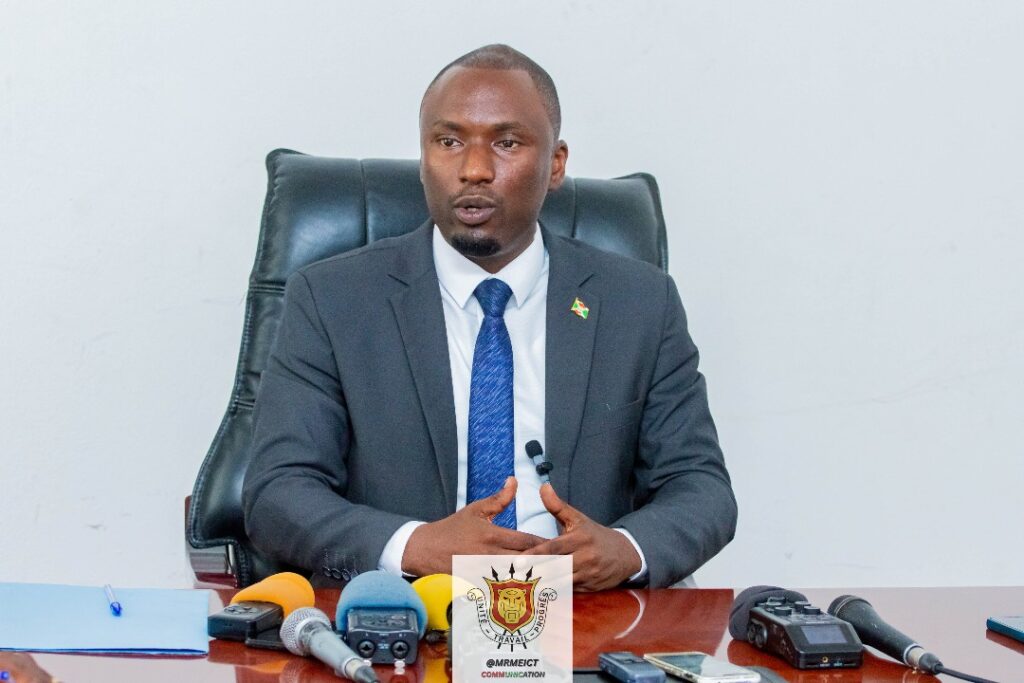
Responding to the proposal, Hassan Kibeya, the minister responsible for both trade and energy, dismissed the comparison between sugar and fuel imports.
“It is a comparison that cannot be made for various reasons,” Kibeya said.
He explained that the volumes, consumption patterns, and financial resources required to import fuel differ significantly from those associated with sugar.
“The amount of sugar needed annually and the way it is consumed are entirely different from fuel requirements and usage. The financial means necessary to import fuel are far greater than those needed for sugar,” he said.
Kibeya further noted that sugar imports are relatively easy because traders can purchase the commodity from neighboring countries using proceeds from exports such as maize. Fuel imports, however, require substantially larger amounts of foreign currency.
The minister acknowledged the country’s foreign exchange constraints but said the government was working to increase hard currency earnings through mineral exports and export-oriented agriculture.
“What we are doing today is extracting and exporting minerals and promoting export crops to increase foreign currency inflows into state coffers,” he said.
Allegations of Monopoly
Despite the government’s explanation, OLUCOME argues that structural problems within the fuel sector are exacerbating the crisis.
Rufyiri accused a small group of individuals involved in public procurement processes of maintaining a monopoly over fuel imports, allegedly prioritizing private interests over the public good.
“The monopoly has become difficult to combat because a group of people involved in public procurement only seeks its own interests at the expense of the common good,” he said, calling on public authorities to take action.
Civil society organizations have repeatedly denounced what they describe as monopolistic practices in Burundi’s petroleum sector.
In April 2025, the governance watchdog PARCEM also condemned the monopoly, arguing that it contributes significantly to the country’s fuel shortages.
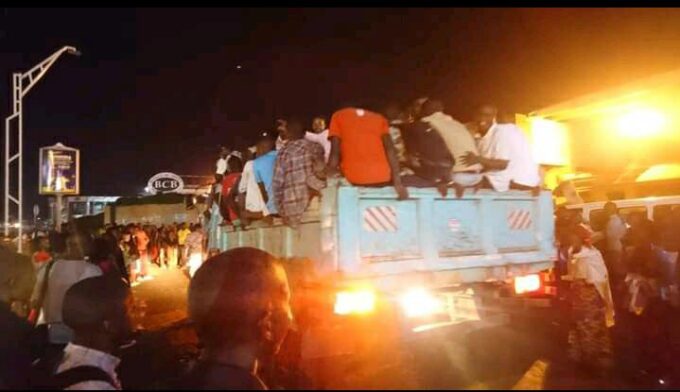
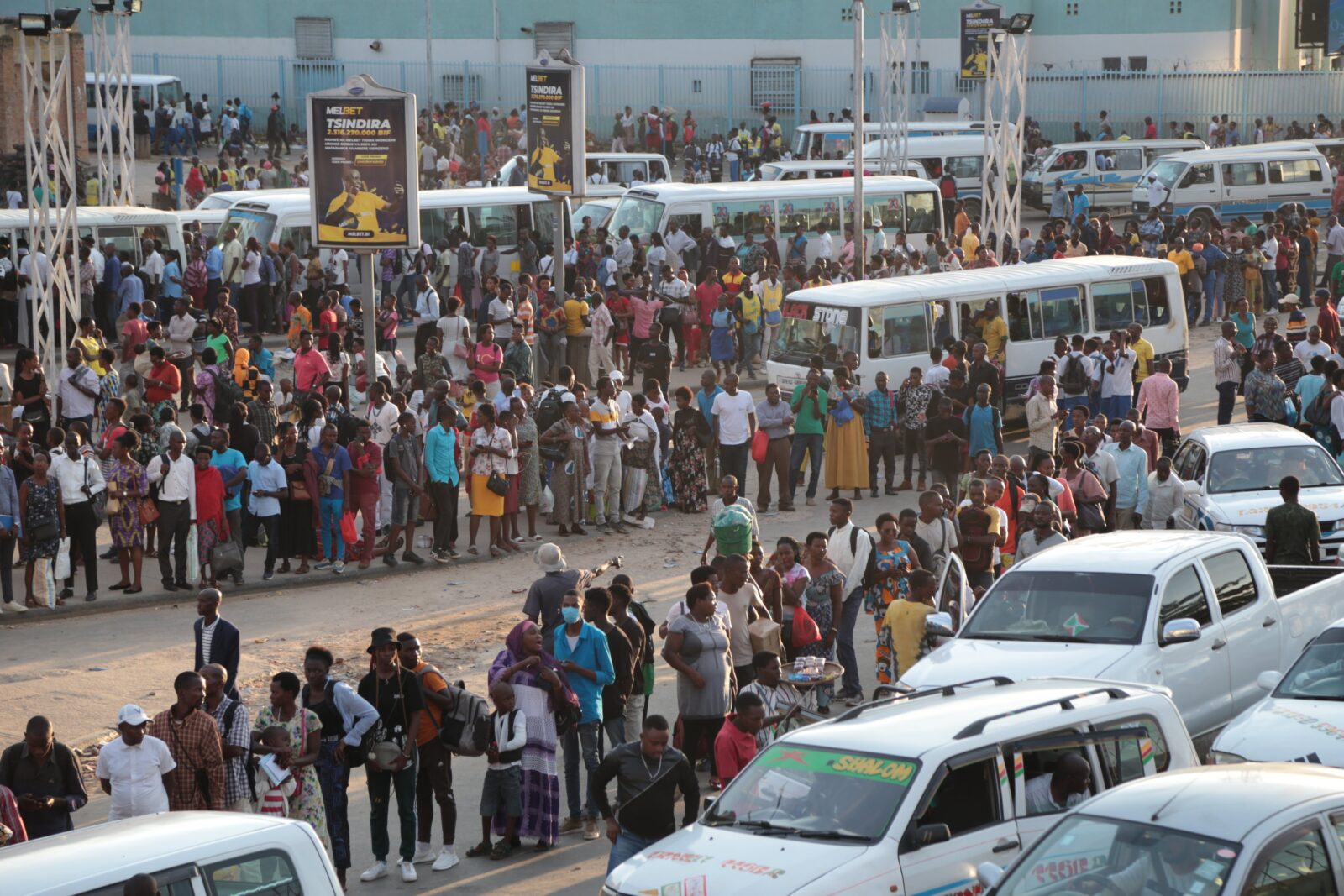
Burundi has been grappling with recurring fuel shortages for nearly five years, a crisis that has disrupted transportation, commerce, and other sectors of the economy. Long queues at filling stations have become a common sight across the country, while businesses and households continue to face rising costs and operational challenges linked to limited fuel supplies.