

Civil society organizations in Burundi are calling on the government to take urgent action over alleged mismanagement in several public hospitals across the country.
Among the organizations sounding the alarm is PARCEM, which has pointed to serious governance issues at the Prince Louis Rwagasore Clinic located in the economic capital Bujumbura. According to the organization, the problems stem from “corruption, insufficient human, material and financial resources, and a lack of adequate infrastructure.”
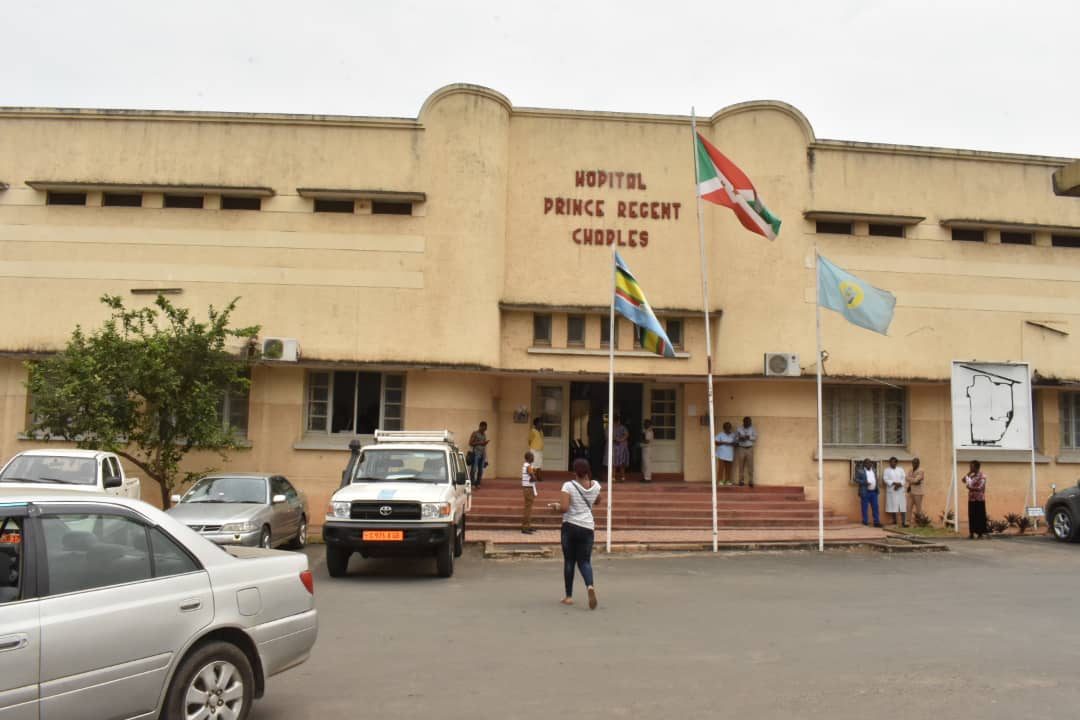
PARCEM is not the only organization raising concerns. In February 2026, the Association for the Fight Against Unemployment and Torture in Burundi (ALUCHOTO) accused the management of Prince Regent Charles Hospital of favoritism, nepotism, and corruption in the recruitment of staff. The allegations reportedly led to the dismissal of the hospital’s then-director, Oscar Nimpaye, and the appointment of a new management team several weeks later.
Concerns over the management of public hospitals were also raised earlier this week in Parliament during an oral question session on the management reports of several health institutions, including the Prince Louis Rwagasore Clinic and Cankuzo Hospital. The reports were based on an audit conducted by the Court of Auditors, which highlighted similar irregularities.
“Some things are laughable,” said National Assembly Speaker Daniel Gélase Ndabirabe after the presentation of the report to lawmakers.
“People are working without employee registration numbers but are still being paid. Through which accounts is this money being transferred? There are even cases of duplicate replacements. It almost seems intentional. Why are reports not being submitted? It is incomprehensible. There is no legal framework, neither for staff recruitment nor for procurement procedures. Employees do not even have job descriptions, so how are they being paid?” Ndabirabe questioned while commenting on the report.
For his part, Public Health Minister Fidèle Nkezabahizi did not deny the allegations. He acknowledged shortcomings in both staff accountability and the digitization of hospital services.
“It is true that digitization exists, but not the entire range of services has been digitized,” Nkezabahizi said. “At the moment, it mainly concerns data collection systems such as health information systems and medical records like Open Clinic.”
The minister added that technology alone would not solve the problem.
“Yes, digitization is important, but there must also be conscience and patriotism to properly carry out one’s work,” he said.
PARCEM calls for an audit of the capacity and management of newly established communal hospitals across the country.
“If this can happen in a clinic located in the capital city, one wonders what the situation is like in hospitals in the interior of the country,” according to the organization.