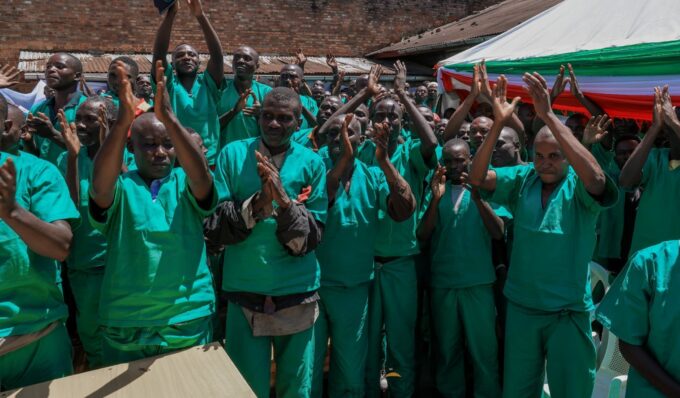

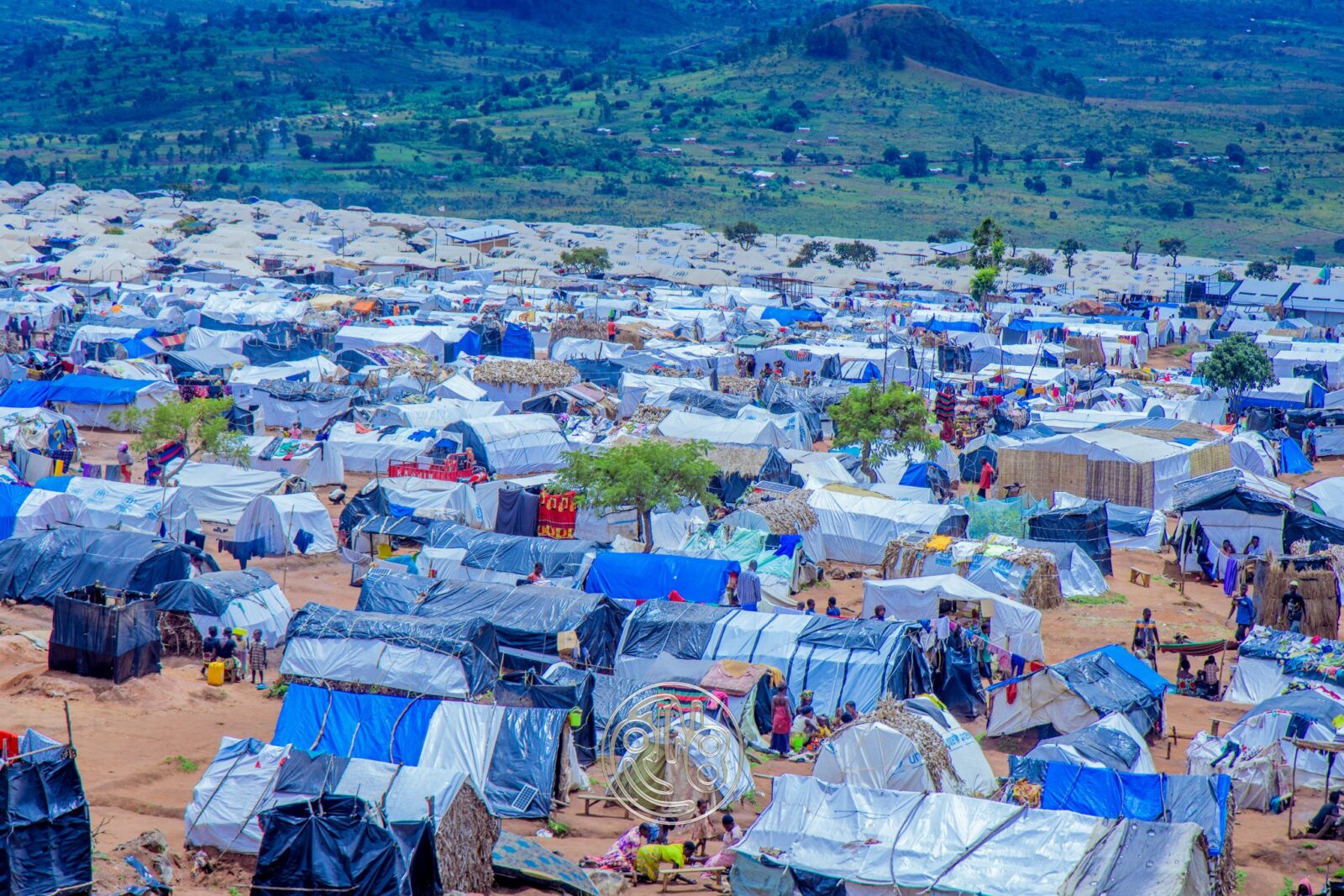
Congolese refugees at the Busuma refugee camp in eastern Burundi claim four people were killed and around 10 others injured after police dispersed a protest over delays in a voluntary repatriation program. Burundian authorities, however, say only two police officers and a child were injured, while a UN refugee agency vehicle was damaged during the unrest.
The protest erupted on Wednesday after refugees were informed that the weekly repatriation convoy to the Democratic Republic of Congo (DRC) would be significantly reduced.
According to Burundi’s National Office for the Protection of Refugees and Stateless Persons (ONPRA), the disruption was caused by technical problems affecting the registration database.
Fiacre Nkurunziza, ONPRA’s camps coordinator in Buhumuza Province, said the office was forced to reduce the number of refugees returning home from the usual more than 1,000 people per week to 300.
“Normally, we repatriate between 1,000 and 1,001 people every week,” Nkurunziza said. “This time there was a technical problem with the database, so we decided that only 300 people would be repatriated this week.”
He said refugees became angry after being informed of the postponement.
“When we began explaining the situation, they started protesting,” he said. “A UNHCR vehicle was damaged, and two police officers and one child were injured as police dispersed the demonstrators.”
Government says police fired warning shots
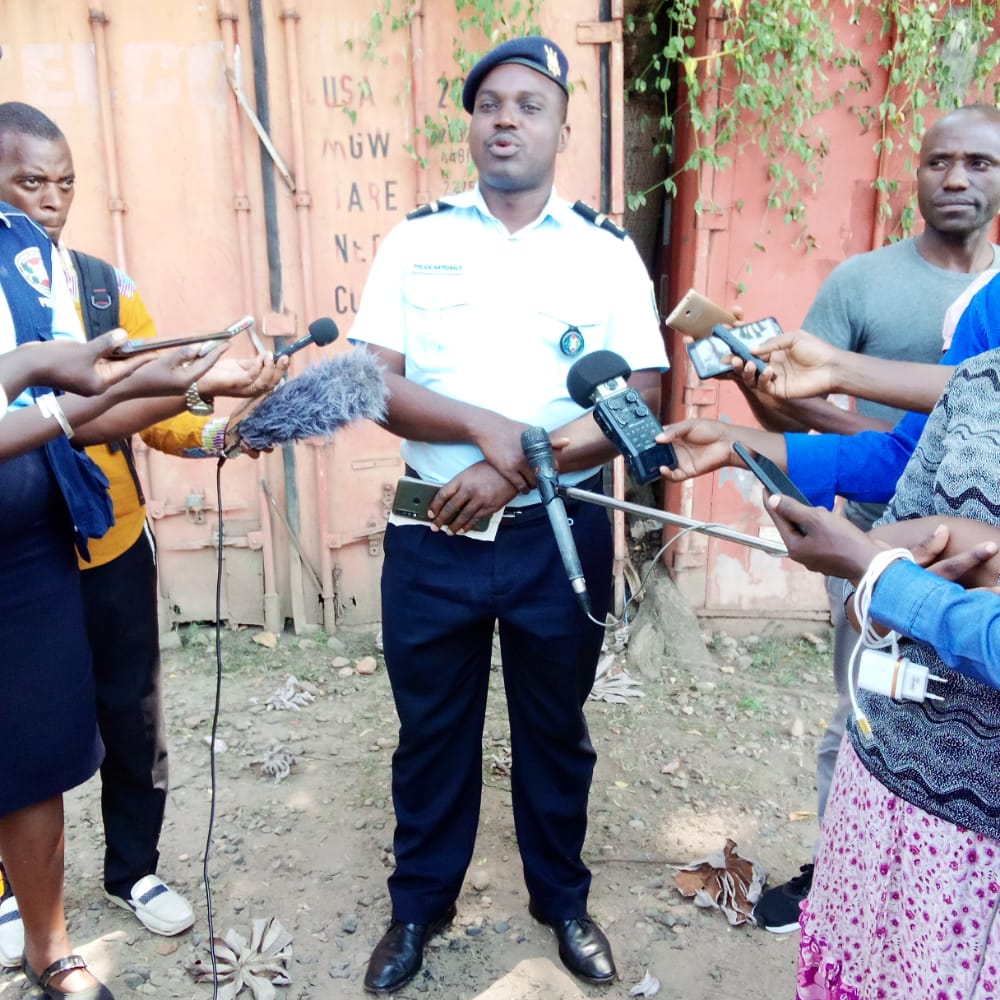
Burundi’s Ministry of Public Security gave a similar account in a statement shared by its spokesperson Pierre Nkurikiye, although it attributed the postponement to a shortage of fuel rather than technical database issues.
According to the ministry, refugees were informed there would be no scheduled repatriation that week because of fuel shortages, triggering what officials described as a violent protest.
Authorities said demonstrators threw stones at a UNHCR minibus, shattering its windshield.
Police evacuated UNHCR staff without injury before firing warning shots into the air to disperse the crowd, the ministry said.
Officials added that two police officers suffered minor leg injuries after being hit by stones, while seven refugee leaders were arrested and transferred to the judicial police in Ruyigi, where they face criminal investigations over the violence.
Despite the disruption, ONPRA said the voluntary repatriation program remains ongoing and would continue once the logistical problems are resolved.
Claims of Irregularities and Excessive Force
Refugees at Busuma dispute the official account, saying the protest was fueled not only by the postponement but also by alleged irregularities in the repatriation registration process.
One refugee, who spoke on condition of anonymity said lists of people scheduled to return to the DRC included individuals who had already left the camp.
“When the lists were posted, we found the names of people who had already returned to Congo,” she said.
Refugees also accused police of using excessive force during the operation.
“The police used a lot of force,” one woman who also asked not to be identified alleged. “They even beat a pregnant woman, who later miscarried.”
Another refugee claimed that four people died after being beaten by police and that about 10 others were hospitalized.
“We buried four people who died after police beat them with batons,” the refugee said. “We fled death in our country, only to find it here.”
The allegations could not be independently verified, and Burundian authorities have not responded publicly to the claims of fatalities.
Refugees cite deteriorating living conditions
The demonstration comes amid growing frustration over living conditions at Busuma camp, where refugees have repeatedly complained of food shortages and poor humanitarian assistance.
“Since we arrived in this camp, life has become increasingly difficult,” one refugee said.
Another described receiving spoiled food aid.
“Recently we were given beans that were so rotten that out of a 2.5-kilogram ration, only one kilogram was edible,” the refugee said. “After eating them, many people developed diarrhea.”
Several refugees said conditions in the camp have strengthened their desire to return home.
“A refugee has rights,” one resident said. “But here, camp officials ignore us and falsely report that we want to stay. What we want is to go back home. We are tired—we are Congolese, and we want to return to our country.”
Burundi received tens of thousands of Congolese refugees after renewed fighting in eastern Democratic Republic of Congo in late 2025 between the Congolese army (FARDC) and the M23 rebel movement.
Many initially stayed at transit sites in Makombe, Cishemere and Gatumba before being relocated to Busuma camp.
By April this year, the camp was hosting more than 60,000 refugees. Burundian authorities had announced a voluntary repatriation program with plans to return up to 2,000 refugees each week, although the process has faced repeated logistical challenges and criticism from some camp residents.