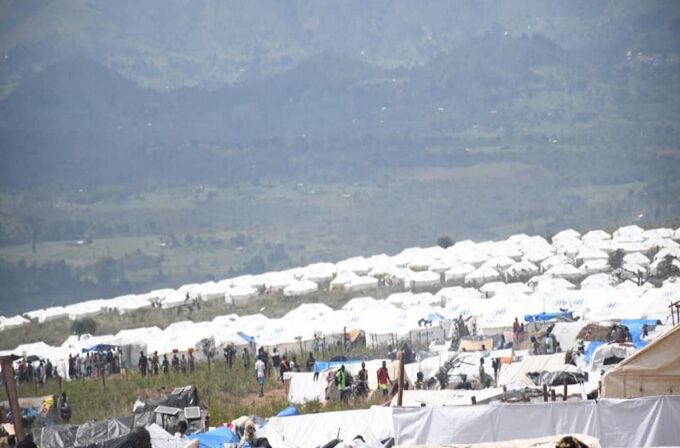

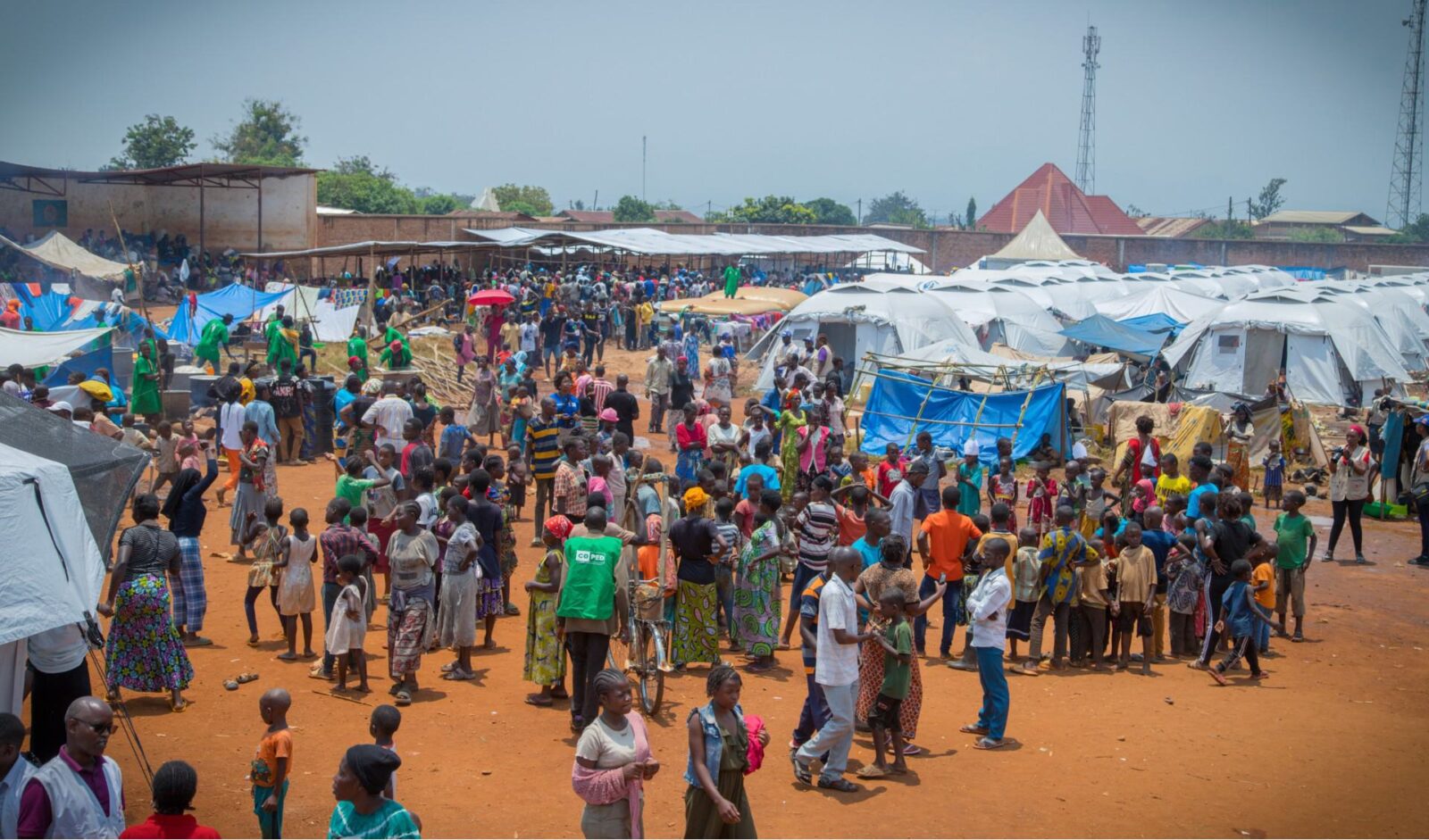
Burundian authorities have announced that hundreds of Congolese refugees currently living in eastern Burundi will begin returning to the Democratic Republic of the Congo (DRC) starting next week, as conditions improve in parts of their home country.
The first convoy, comprising 500 refugees from the Busuma camp in Ruyigi Commune, Buhumuza Eastern Province, is scheduled to depart on Thursday, April 23, according to the National Office for the Protection of Refugees and Stateless Persons (ONPRA). The repatriation effort is being carried out in coordination with the governments of Burundi and the DRC, as well as the United Nations High Commissioner for Refugees (UNHCR).
Harsh Living Conditions in Busuma Camp
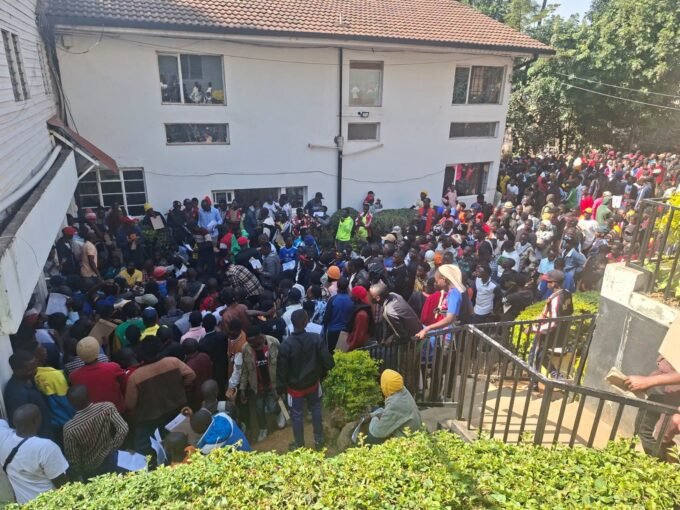
Refugees at the Busuma camp, who fled intense fighting in eastern DRC in December 2025, describe extremely difficult living conditions and say they are eager to return home.
“We are living a very hard life,” said one refugee in his fifties. “We don’t have enough food. Some people eat only once a day. That’s one of our biggest concerns, and it’s why we want to go back home and resume our activities.”
Others report arriving at the camp with nothing. “I didn’t bring anything, not even clothes,” said Georgette B., a refugee at Busuma. “I don’t even have a cup to drink water or a basin to wash myself.”
Residents also highlight severe shortages of clean water, with some forced to walk long distances to collect unsafe water from drainage channels. These conditions have contributed to the spread of diseases such as diarrhea, malaria, and cholera.
“We have no clean water. Our children walk several kilometers to fetch dirty water,” said another woman in the camp. “We are facing diseases due to poor hygiene, including infections and cholera. Some people have even died.”
Women in the camp face additional challenges, particularly due to a lack of sanitary supplies. “We were registered to receive sanitary pads, but we never got them,” one woman said. “Some of us are suffering from infections because we share toilets without water.”
Authorities Acknowledge Challenges
ONPRA officials have acknowledged the difficult conditions in the camp, citing shortages of water, shelter, sanitation facilities, and clothing—especially given the region’s cold climate.
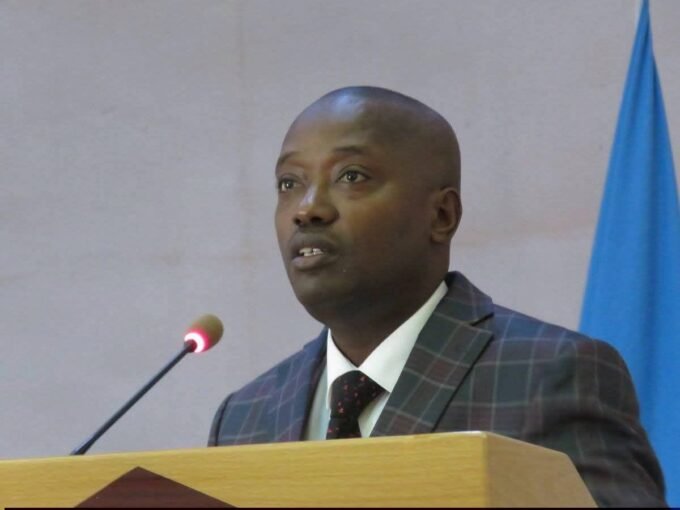
“These are real concerns,” said Fiacre Nkurunziza, ONPRA’s representative overseeing several refugee camps in Buhumuza Province, including Busuma. “There is a lack of water, housing, latrines, and clothing, particularly for the elderly.”
Despite these challenges, officials stress that the return process will be voluntary and gradual. Following the initial convoy of 500 refugees, a second group of 1,000 is expected to depart on April 28. Authorities plan to organize two convoys per week thereafter, each carrying around 1,000 people.
“We welcomed these refugees when fighting was intense in the DRC,” Nkurunziza said. “Now, in some areas such as Uvira, security has improved, making returns possible.”
Registration for voluntary return is ongoing within the camp.
The Busuma camp alone currently hosts around 63,000 Congolese refugees. Burundi has experienced a significant influx of people fleeing violence in eastern DRC since late 2025, particularly due to clashes between the M23 rebel group and the Congolese armed forces (FARDC).
In response, the Burundian government has mobilized resources with support from diplomatic missions and international partners to provide humanitarian assistance to the displaced population.