
Applicants seeking travel documents in Burundi’s economic capital Bujumbura continue to express frustration over prolonged delays in obtaining passports and laissez-passer, despite earlier government promises to streamline the process.
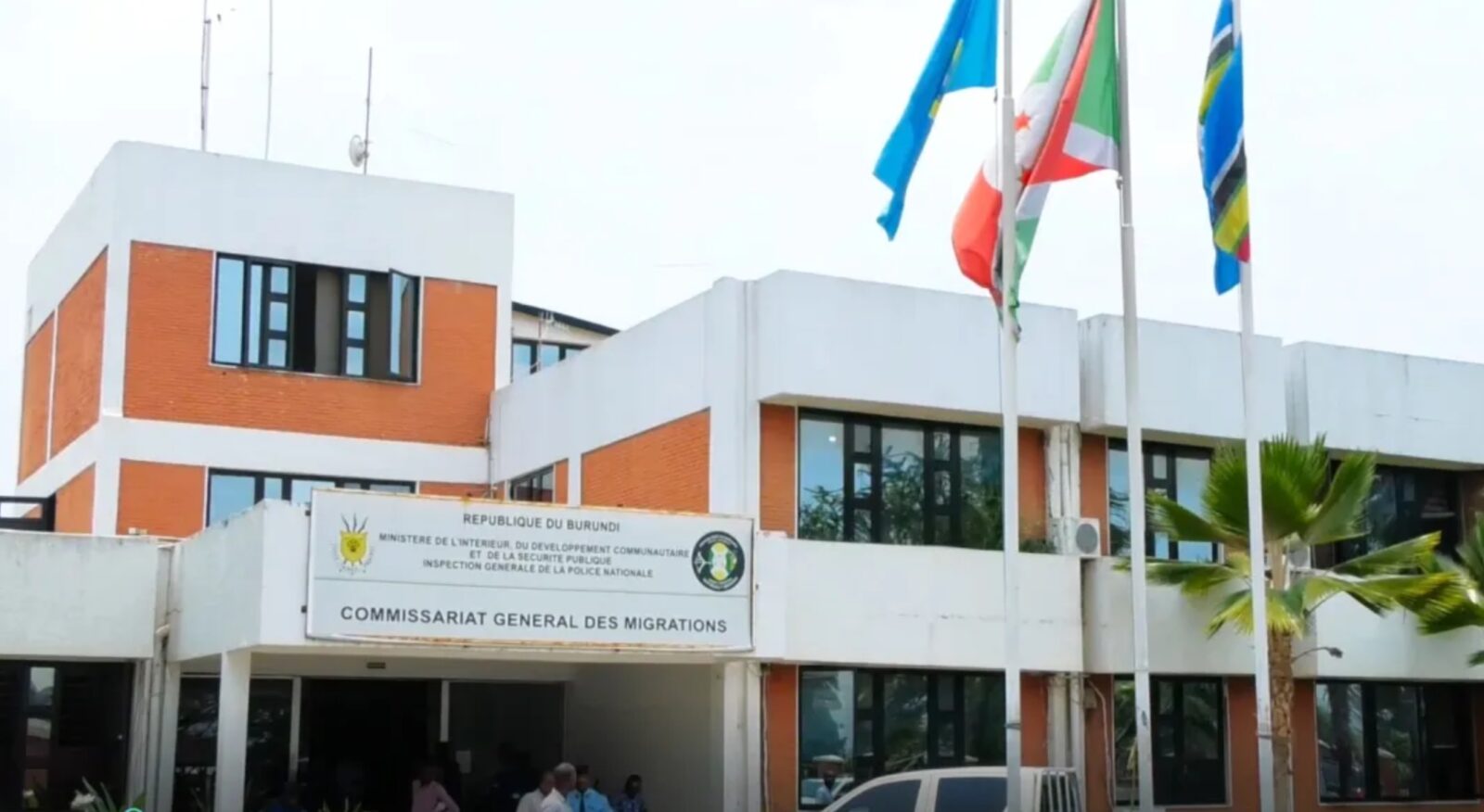
At the offices of the General Commissariat for Migration (CGM), long queues of applicants are still a daily sight, stretching from early morning into the afternoon. Many of those waiting say the delays persist even after they have paid the required fees, contradicting official assurances that documents would be issued within three weeks.
“I feel like things are not easy at all,” said one young applicant. He explained that he paid for his passport in January but has yet to receive it. “They keep telling me it’s not ready,” he added.
The delays are having real consequences, particularly for young people who make up the majority of applicants. Several say they have missed job opportunities abroad because they could not secure their travel documents in time.
“I had an opportunity to travel for work,” another applicant said. “But I’m afraid the appointment date will come before I receive my passport. Every time I come here, they say it’s still being processed.”
Applicants are now calling on authorities to be transparent about realistic timelines. “They should be honest and tell us the real deadline instead of saying it will be ready in three weeks,” one applicant urged.
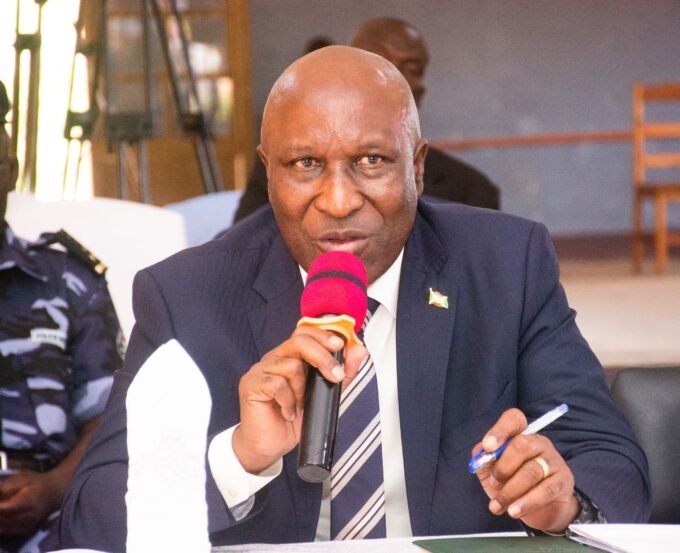
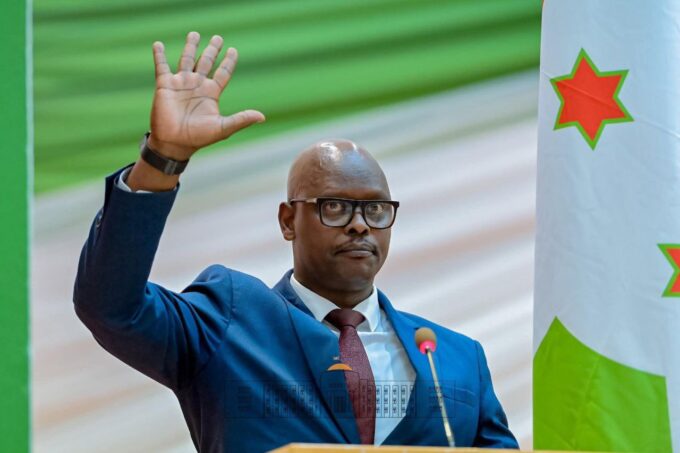
However, the Commissioner General of Migration, Maurice Mbonimpa, maintains that the system is functioning properly and that documents are being issued within the promised timeframe.
“We receive applicants without any problems,” he said. “If someone has an issue and contacts us, it is resolved immediately.” He added that in some cases, applicants claim their passports are not ready when, in fact, they are. “We review each case based on the payment date,” he explained.
The official cost of a passport is set at 300,000 Burundian francs. However, some applicants allege that corruption may be contributing to delays, claiming that those who pay bribes—reportedly up to 1.3 million francs—receive faster service. These allegations remain unverified.
Corruption concerns within the migration services are not new. In previous statements, Mbonimpa attributed such issues to intermediaries who deceive applicants, noting that all official payments are made through banks, not directly to staff.
He also revealed that authorities had recently arrested several individuals involved in fraudulent practices, including seven civilians and four police officers, with additional suspects still at large.
Earlier this year, officials attributed delays to a malfunctioning machine used in producing travel documents. According to Mbonimpa, the equipment has since been repaired, and operations have returned to normal.
“We are now working normally and issuing documents without problems,” he said, adding that staff are even working Saturdays to clear the backlog. “Our goal is that within three weeks or at most a month, anyone who has paid can collect their passport. We have the capacity to do so.”
Despite these assurances, many applicants remain skeptical as they continue to wait.