
Burundian Opposition parties and civil society organizations have offered a largely negative assessment of President Évariste Ndayishimiye’s six years in office, citing economic decline, rising living costs, persistent fuel shortages, and political exclusion, while the president points to governance reforms and democratic gains as key achievements of his administration.
President Évariste Ndayishimiye has led Burundi since June 18, 2020, after winning the presidential election under the ruling CNDD-FDD party following the death of former President Pierre Nkurunziza.
As the country marked six years of his presidency on Thursday, opposition leaders and civil society groups argued that many of the promises he made at the start of his mandate remain unfulfilled.
“Considering the promises he made during his inauguration, nothing has been achieved,” said Terence Manirambona, spokesperson for the opposition National Congress for Liberty (CNL).
According to the CNL, Burundi continues to face major challenges across multiple sectors.
“The country’s economy has declined. Medicines are unavailable, and fertilizers remain inaccessible despite farmers having paid advances,” Manirambona said.
He also criticized what he described as the marginalization of opposition parties, arguing that political space has narrowed despite official commitments to democracy and inclusion.
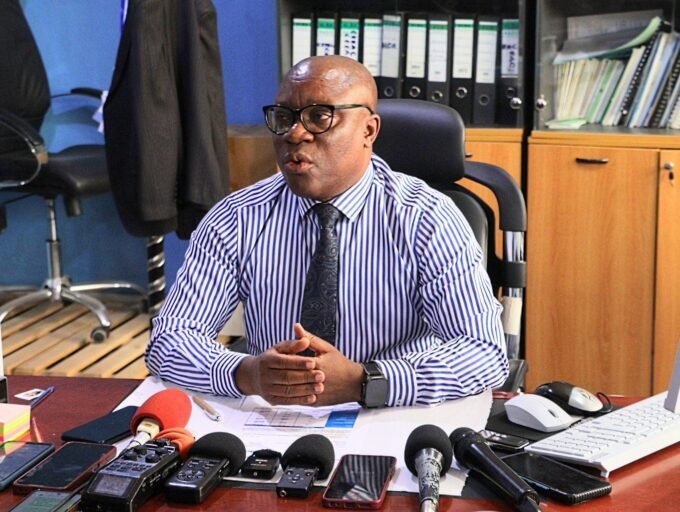
Civil society organization PARCEM echoed similar concerns, saying many of the government’s commitments have remained largely rhetorical while economic conditions have deteriorated.
“If we look at how prices of basic goods have continued to increase, inflation, which stood at 12 percent in 2021, rose to 18 percent in 2023 and is projected to reach 27 percent by 2027,” said PARCEM National Director Faustin Ndikumana.
He argued that rising inflation and weak growth in agricultural production point to worsening food insecurity. According to PARCEM, average growth in the primary sector has remained around 1.5 percent during the period.
Economic Hardships Overshadow Reforms
While Ndayishimiye’s presidency initially raised hopes for change, particularly after years of international isolation under his predecessor, many Burundians say economic hardship has become the defining feature of the past six years.
The government succeeded in restoring relations with several international partners and improving Burundi’s standing abroad. Donor cooperation gradually resumed, and the administration promoted a vision centered on national unity, accountability, and development.
However, these gains have been overshadowed by persistent economic difficulties.
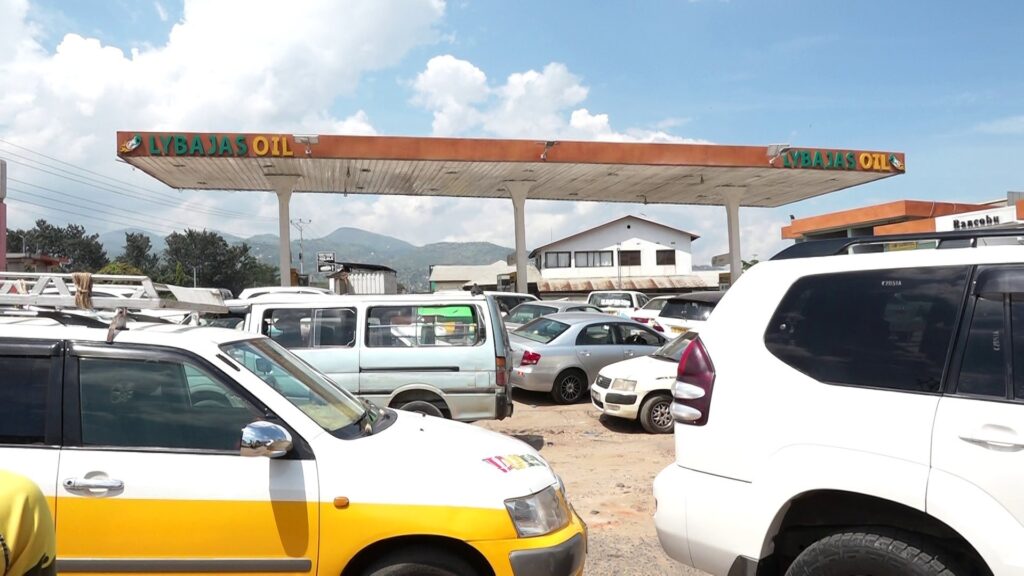
Fuel shortages have become one of the most visible symbols of the country’s economic struggles. Long queues at filling stations have disrupted transportation, trade, agriculture, and healthcare services, while driving up the cost of goods and services.
The shortages have been linked to a chronic lack of foreign currency, which has also affected imports of medicines, industrial inputs, and other essential products.
At the same time, the Burundian franc has lost value, widening the gap between official and parallel market exchange rates and contributing to inflation and declining purchasing power.
For many households, rising food prices, transportation costs, and housing expenses have significantly reduced living standards. Public servants and workers across sectors have seen their incomes increasingly strained by inflation.
The country has also witnessed growing migration of skilled workers seeking opportunities abroad, raising concerns over brain drain in sectors such as healthcare and education.
President Defends Record
Despite these challenges, President Ndayishimiye says his administration has achieved significant progress.
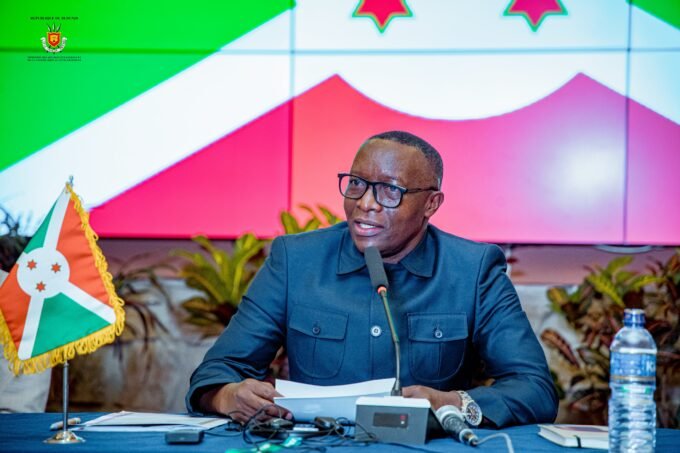
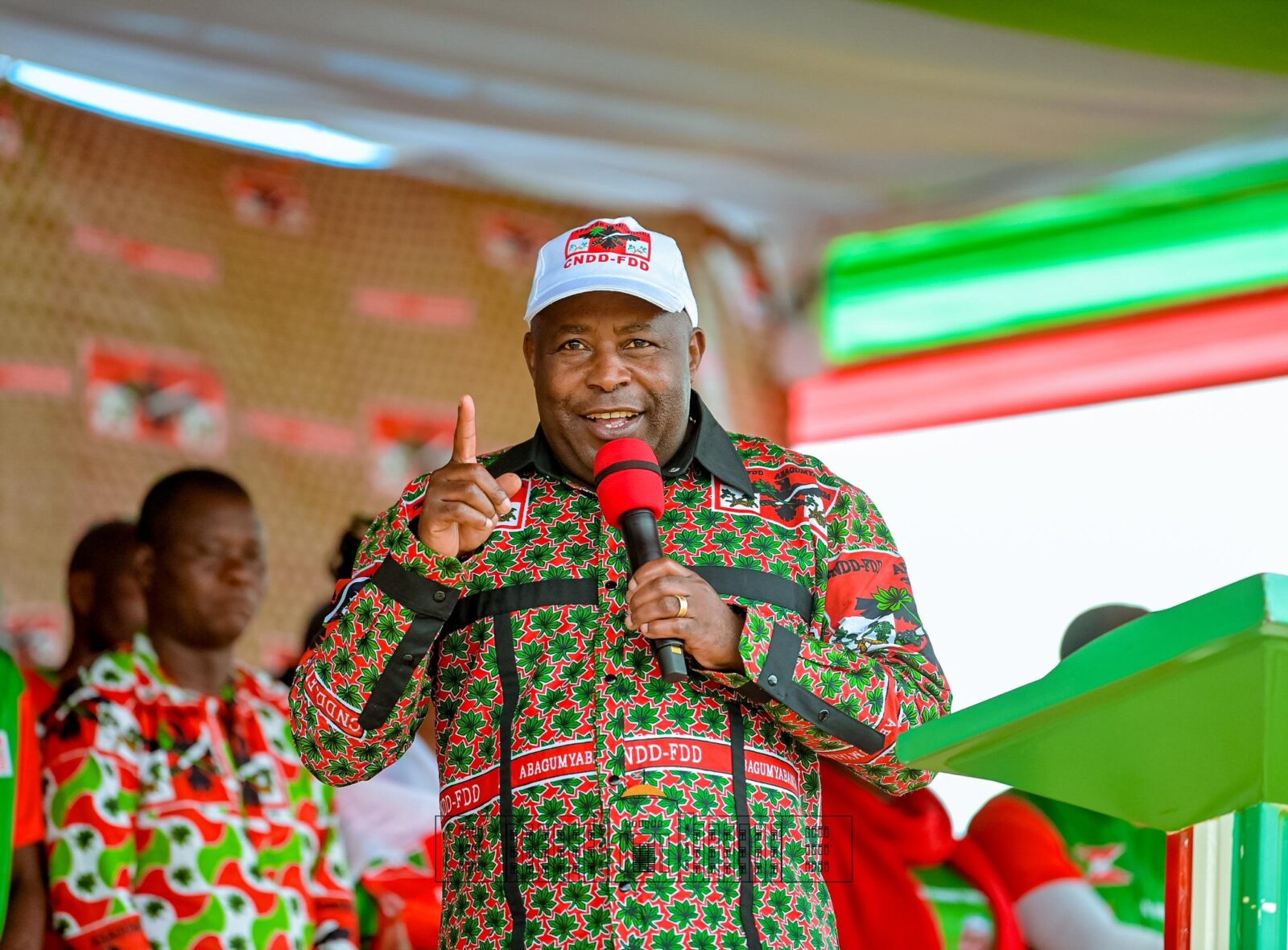
“Today, we have restored good governance. In the past, some people considered themselves superior to others, but now we have restored democracy because every citizen has the freedom to express themselves,” Ndayishimiye said during celebrations marking six years of his presidency in Muyinga, now part of Buhumuza province.
The president acknowledged shortcomings within the justice sector but said reforms are underway.
“Although democracy has been restored, magistrates have retained some old habits. Solutions are being considered as we plan to restructure the judicial system, beginning with the establishment of councils of local notables,” he said.
Ndayishimiye pledged to continue working to improve conditions in the country.
“Remain calm. We will succeed when we have responsible leaders with a vision. That is our commitment,” he told supporters.
A Mixed Legacy
Supporters credit Ndayishimiye with reopening Burundi to the international community, promoting anti-corruption efforts, investing in infrastructure projects, and encouraging agricultural production.
Critics, however, argue that these achievements have been overshadowed by persistent shortages, inflation, currency depreciation, unemployment, and declining living standards. They also point to the continued marginalization of opposition parties as evidence that political openness has not matched official rhetoric.
As Ndayishimiye enters his seventh year in office, Burundi presents a picture of contrasts: greater international engagement and ambitious reform pledges on one hand, but mounting economic pressures and political concerns on the other.
Whether the government can convert diplomatic gains and promises of reform into tangible improvements in the daily lives of ordinary Burundians remains one of the central questions facing the country.