
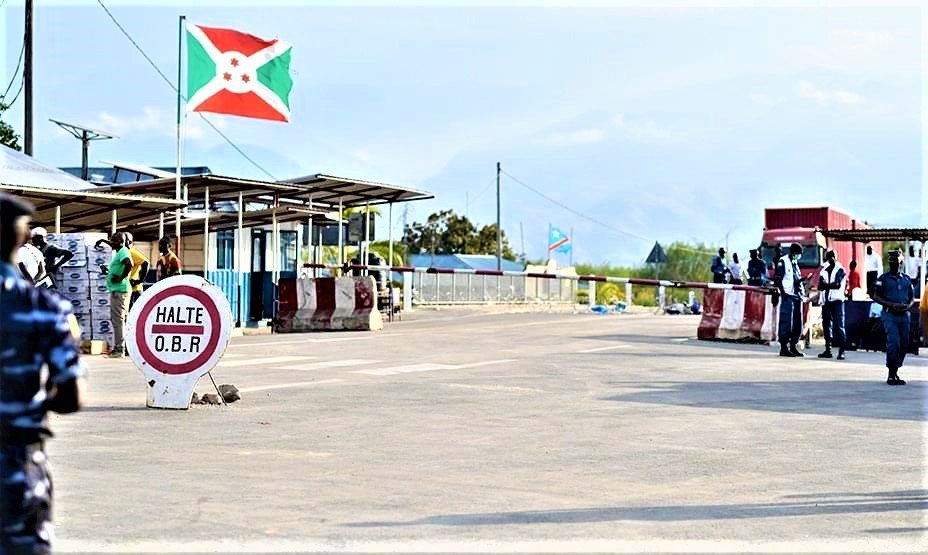
The Government of Burundi on Monday reopened its western border with the Democratic Republic of Congo (DRC), ending a two-month closure that had disrupted trade, travel, and livelihoods for thousands of people on both sides.
The Gatumba–Kavimvira border crossing was shut down following security concerns after Uvira, a key city in eastern DRC, was captured by AFC/M23 rebels — a Rwanda-backed armed group operating in the region. Although the rebels later withdrew from Uvira amid pressure from the United States, Burundi’s Minister of Foreign Affairs, Edouard Bizimana, described the move as a “strategic repositioning” rather than a definitive retreat.
Uvira, located on the eastern shores of Lake Tanganyika approximately 200 kilometers southeast of Burundi’s economic capital, Bujumbura, serves as a vital hub for cross-border commerce. The closure severely disrupted commercial activity, leaving traders, transporters, and daily laborers stranded and without income.
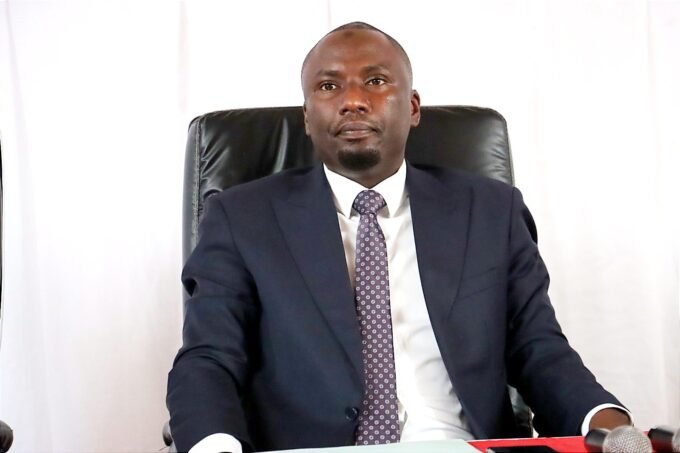
The reopening was confirmed by various government officials, including the Commissioner-General of Immigration and Border Police, Maurice Mbonimpa, according to local media reports. The Burundi Revenue Authority (OBR) also posted on X (formerly Twitter) that its daily services at the border had resumed, stating that “all taxpayers are welcome there as before.”
The decision follows a recent visit to the region by European Commissioner for Equality, Preparedness and Crisis Management, Hadja Lahbib, who called for the reopening of humanitarian corridors to allow urgent aid to reach affected populations, particularly refugees.
While humanitarian convoys are now permitted to cross, Minister Bizimana previously reiterated that Burundi’s broader border policy remains tied to security developments on the ground. “The reopening of the border will depend on security progress,” he said, underscoring the government’s cautious stance.
Citizens Welcome the Move
The reopening was met with relief and optimism from citizens of both countries, many of whom have endured economic hardship during the closure.
A Congolese driver interviewed at Bujumbura’s City Market described the dire conditions experienced during the shutdown.
“We were almost dying of hunger. There was no work,” he said. “Now that the border has reopened, we feel good and we are happy. I heard the news on social media and the radio. This morning I went to the border, presented my ID, and crossed.”
He added that while the border was closed, prices of essential goods in eastern Congo surged dramatically, worsening already fragile living conditions. He urged both governments to strengthen security cooperation to ensure the crossing remains open.
Passengers also expressed relief. A Congolese university student, who requested anonymity, said the closure had disrupted her final year of studies in Burundi.
“I came to Burundi before the border was closed and before M23 entered Uvira,” she said. “When the border shut down, I felt very bad because it was my final year and I wanted to finish my studies and return home. Now that it has reopened, I feel very relieved. I am finally going back to my family after completing what brought me to Bujumbura.”
At the City Market bus station around 3:00 p.m. Monday, only two vehicles were available for transport to Congo, reflecting the gradual resumption of cross-border movement. Both drivers and passengers called on authorities in Bujumbura and Kinshasa to maintain the reopening.
“When the border is closed, we face many problems — economic crisis, hunger, and the inability to send or receive goods,” one passenger said. “We ask that it not be closed again. Congolese should continue to welcome Burundians, and Burundians should continue to welcome Congolese.”
Businesses Feel the Impact
Local businesses, particularly vendors who depend heavily on Congolese customers, praised the government’s decision.
“Now that the border is open, we are happy and we ask the government to keep it that way,” said a female vendor at Zion Market. “When the border was closed, business declined. Without Congolese customers, movement decreased and so did our income.”
She explained that Congolese traders often purchase goods in bulk to resell back home, providing a significant source of revenue for Burundian merchants.
“It is difficult to estimate exactly how much we lost, but you could clearly see the gap,” she said. “They buy most of our goods to take back and sell in their country.”
The conflict in eastern DRC has displaced thousands of people since the beginning of the year. Many have sought refuge in Burundi, where they are currently sheltered in refugee camps across the country.
Despite the reopening of the border, it remains unclear whether refugees will return home, as sporadic violence continues to be reported in areas surrounding Uvira.
For now, the reopening of the Gatumba–Kavimvira crossing has restored a measure of hope for border communities whose survival depends on the steady flow of people and goods between the two neighboring nations. Whether that hope endures will largely depend on security developments in the volatile eastern Congo region.