
Burundi’s prolonged economic and political instability risks derailing the country’s long-term development ambitions unless urgent structural reforms are implemented, the anti-corruption watchdog OLUCOME has warned.
In a press statement released on Thursday, the Observatory for the Fight Against Corruption and Economic Malpractice said persistent governance failures, macroeconomic instability, and weak institutions continue to slow the implementation of Vision Burundi 2040–2060, adopted in July 2023 to transform the country into an emerging economy by 2040 and a developed nation by 2060.
While the vision emphasizes good governance, agricultural modernization, industrialization, mining, and social cohesion, OLUCOME said the socio-economic reality on the ground remains far from these ambitions.
The watchdog said Burundi’s macroeconomic indicators have steadily worsened, eroding purchasing power and pushing more citizens into poverty. Prices of basic goods, fuel, and construction materials continue to rise amid shortages and the depreciation of the Burundian franc.
Government efforts, including price-control measures and authorizations to import maize, sugar, and cement, have failed to curb inflation. According to official data, inflation rose from 18.9 percent in 2022 to 26.1 percent in March 2025, while GDP per capita fell from USD 353.7 in 2021 to USD 245.8 in 2025, according to IMF estimates. Foreign currency shortages remain a major challenge, with the official exchange rate at 2,957 Burundian francs per US dollar in 2025, while the parallel market exceeds 6,500 francs.
Public debt is placing further strain on the economy. Domestic debt rose from 4,763.7 billion Burundian francs in 2022 to 7,196.5 billion francs in 2025, limiting the government’s ability to finance development priorities. Agriculture, a key pillar of recovery, remains constrained by shortages of seeds and fertilizers, weak planning, limited agro-processing, and political interference. Monopolies in sectors such as fuel, electricity, water, and beverages further exacerbate shortages and price instability.
OLUCOME criticized poorly designed public policies and ineffective implementation. The nationwide fruit tree planting initiative, particularly avocado trees, promoted since 2006, consumed billions of francs without delivering measurable economic benefits.
State-owned enterprises are also struggling with chronic losses, debt accumulation, and political interference. The watchdog warned that recent government measures to reclaim funds from public and parastatal companies’ bank accounts could further weaken these institutions unless accompanied by audits and governance reforms.
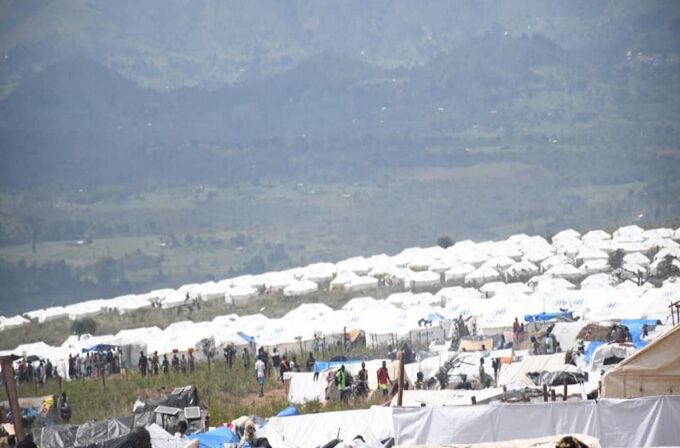
OLUCOME stressed that social cohesion and public trust are essential for achieving Vision 2040–2060. Decades of recurring socio-political crises have left deep divisions and trauma. Thousands of Burundian refugees, including skilled professionals and entrepreneurs, remain abroad, representing a significant loss of human capital. The organization called for inclusive, voluntary return policies and the engagement of the diaspora to help achieve national development goals.
Preconditions for Reviving the Vision
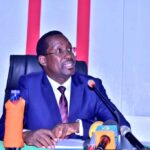
Speaking at a separate press conference, OLUCOME Chairman Gabriel Rufyiri identified political instability as a major barrier to development. “Leaders claim they won the elections 100%, but if you look carefully, can you really say Burundi has political stability? No way,” he said. He added that the lack of stability — a key prerequisite for national development — combined with frequent administrative changes and the absence of proper handovers, undermines policy continuity and weakens institutions crucial to achieving Vision 2040–2060..
Rufyiri emphasized the need for a clear separation between political and technical positions, urging that appointments be based on competence rather than partisan considerations. He called for science, expertise, and education to guide governance, including greater involvement of diaspora professionals.
The chairman also stressed the need to evaluate key institutions, such as the Ombudsman, the National Unity Council, and councils established under the Arusha Agreements. “We need to assess whether these bodies are on the right path, and if not, consider reforms or replacement,” he said.
Rufyiri welcomed the adoption of the third-generation National Anti-Corruption Strategy, describing it as a vital tool for stabilizing governance and macroeconomic management. However, he warned that without strict enforcement and regular evaluation, the strategy risks remaining symbolic. He urged citizens, journalists, and civil society to hold officials accountable, saying, “Leaders use public money, and if we cannot evaluate past initiatives and demand results, bringing in new reforms becomes impossible.”