
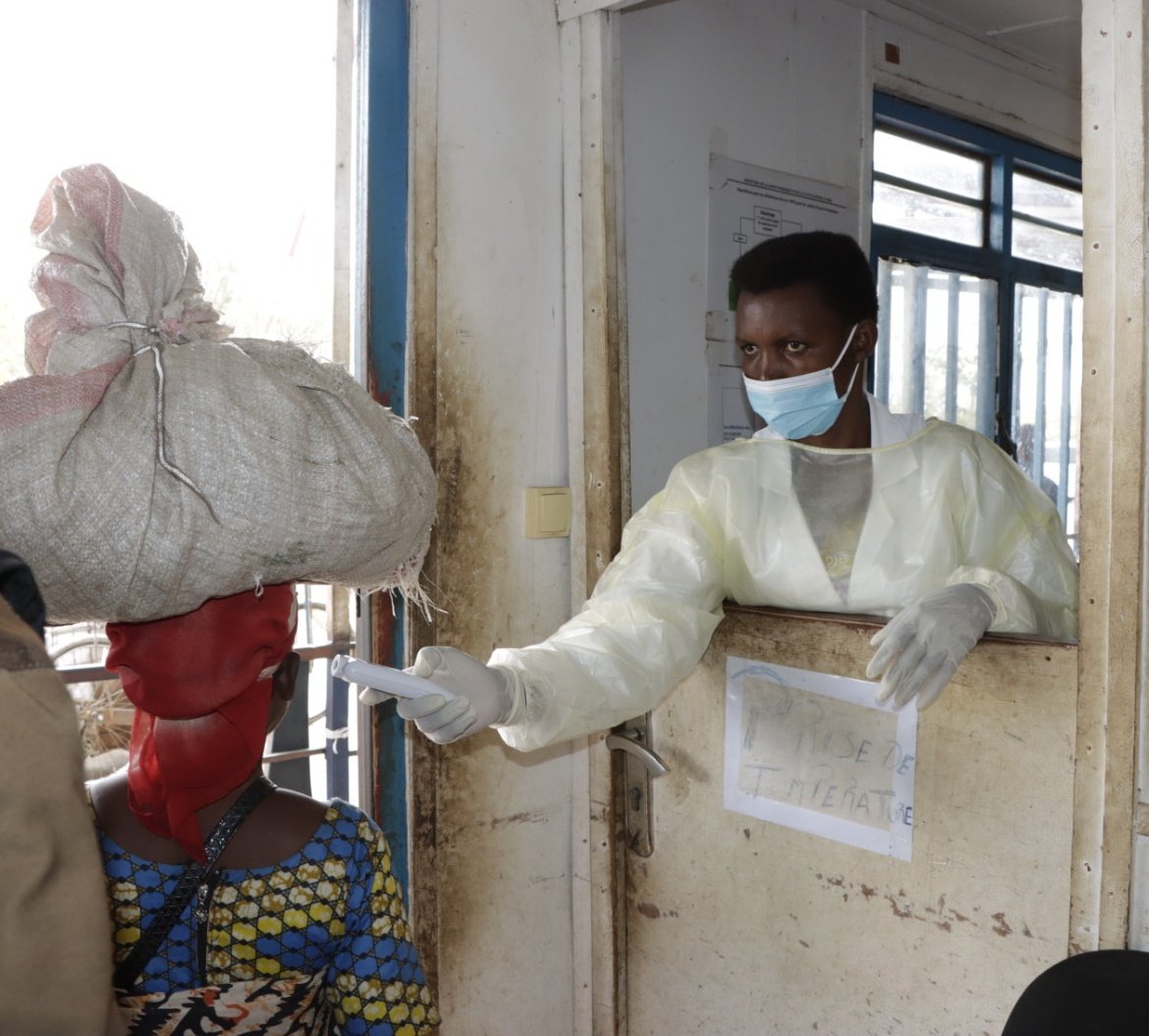
Burundian authorities have strengthened Ebola prevention measures at the Gatumba border crossing following the resurgence of the disease in eastern Democratic Republic of Congo and Uganda, raising concerns across the East African region.
Gatumba, a key border town linking Bujumbura to Uvira in eastern DRC, has become the focus of intensified health surveillance as authorities seek to prevent the disease from entering the country.
Although no Ebola cases have been reported in Burundi, officials have stepped up screening procedures at the busy crossing point in western Burundi.
Since Monday, travelers arriving in Burundi through Gatumba have been subjected to enhanced screening measures. Health officials stationed on the Burundian side of the border are taking travelers’ temperatures and requiring everyone to wash their hands with chlorinated water before entering the country.
In some cases, travelers are also being provided with free face masks by both Congolese and Burundian authorities.
“We first wash our hands, then our temperature is checked, and after that we are given this mask before entering Burundi,” said a Congolese woman crossing into Burundi on Monday.
The same preventive measures are reportedly being enforced on both sides of the border.
Despite the increased precautions, some travelers said they were unaware of the disease before arriving at the crossing.
“I know nothing about this disease,” said a Burundian woman returning from the DRC while wearing a face mask.
“This mask was given to me at the border. I was told it was to protect us against Ebola. I only learned while returning from the DRC that Ebola is affecting some areas in Congo,” she added.
Residents and travelers at the border have called on both governments to provide adequate medical supplies and support to contain the outbreak.
“The government should provide us with the necessary equipment to protect ourselves from this disease and also care for those who are already infected. I think that is how we can stop the virus,” said a Congolese national.
Burundi on High Alert
Last week, Burundi’s Ministry of Public Health urged citizens to remain vigilant and follow preventive health measures after Ebola cases were reported in the DRC and Uganda.
In a statement released on Saturday, the ministry warned that the situation poses a significant threat to the region because affected areas are located less than 400 kilometers from Burundi and there is regular cross-border movement between the countries, including through the Bujumbura–Goma air and land routes.
“Given the geographical proximity, cross-border mobility, and previous epidemic experiences, Burundi is considered a high-risk country for the introduction of Ebola virus disease,” the ministry said.
The heightened vigilance comes as the Ebola outbreak in eastern DRC continues to worsen. According to regional outlet Kivu Post, the outbreak in Ituri province has surpassed 350 suspected cases and caused at least 91 probable deaths, citing Congolese Health Minister Samuel Roger Kamba. Fifty-nine patients are reportedly receiving treatment in Bunia and Mongwalu, the outbreak’s main epicenters.
Health Minister Fidèle Nkezabahizi called on the public to observe strict hygiene measures, including frequent handwashing with clean water and soap, avoiding contact with dead wild animals, refraining from touching bodies whose causes of death are unknown, limiting unnecessary travel to infected areas, and quickly reporting suspected cases.
He also urged citizens to avoid stigmatizing infected individuals.
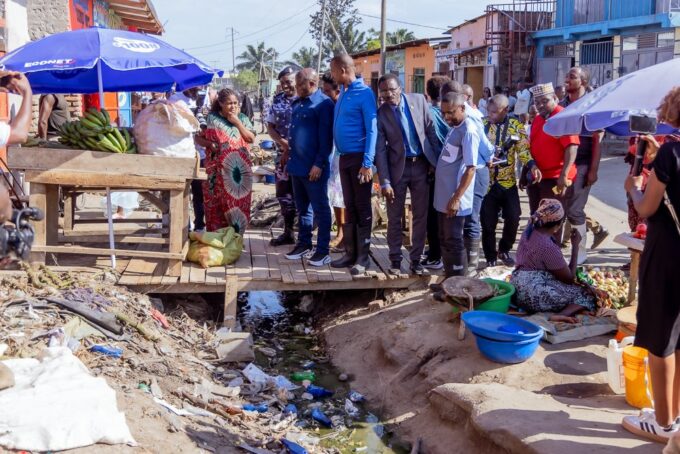
However, public health measures remain inconsistently applied in some crowded areas of Bujumbura, where handwashing facilities are often absent. Residents in several neighborhoods have also complained about shortages of clean water, making it difficult to follow the hygiene guidelines issued by authorities.
Burundi has not recorded any Ebola cases during the current regional outbreak. Meanwhile, neighboring Rwanda has also reinforced health screening measures along its border with the DRC as regional concern grows over the spread of the virus.
The World Health Organization (WHO) recently issued an alert warning about the resurgence of Ebola in the region.