

Burundi’s human rights organizations are raising urgent concerns over what they describe as a surge in human trafficking, digital-era exploitation, and labor abuses targeting vulnerable citizens both at home and abroad.
In statements released Tuesday to mark the International Day for the Abolition of Slavery, the National Observatory for the Fight Against Trafficking in Persons (ONLCT – “Où est ton frère?”) and the Burundian Association for the Fight Against Unemployment and Torture (ALUCHOTO) warned of intensifying forms of modern slavery that disproportionately affect women, youth, and migrant workers.
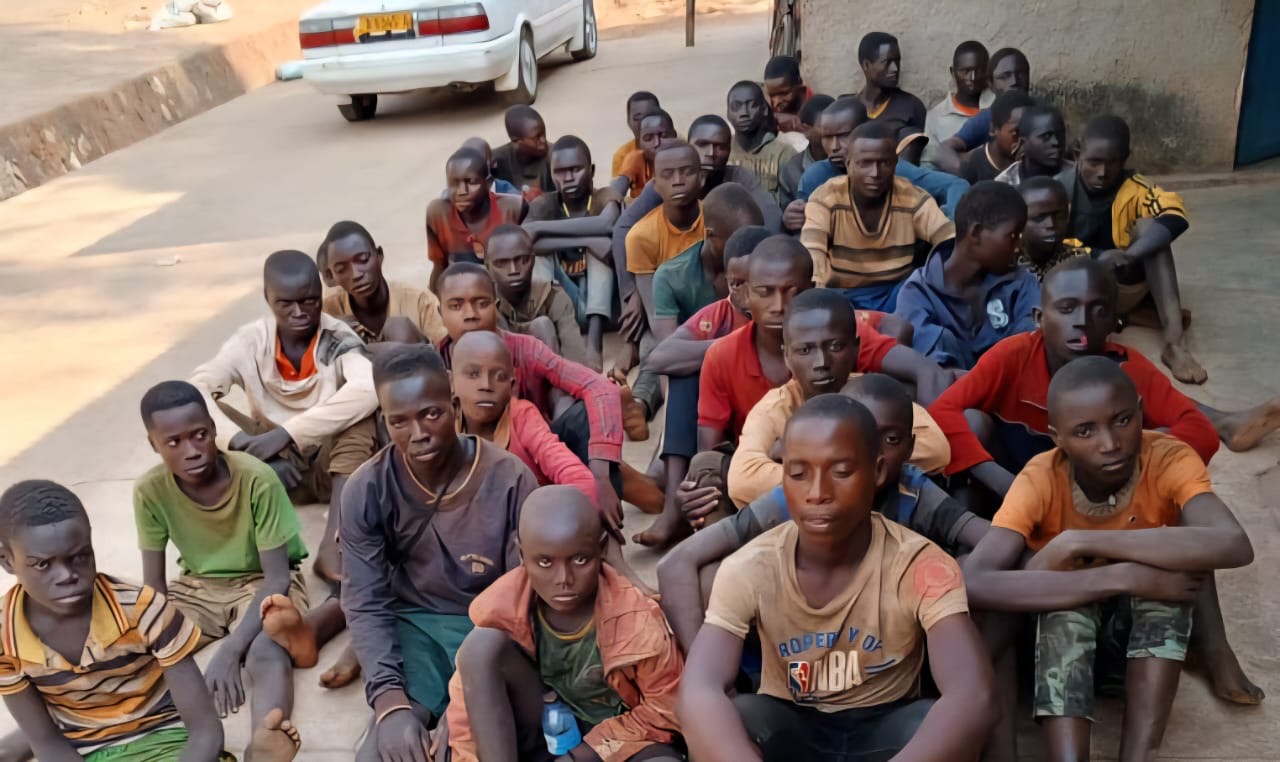
ONLCT reported that 14 young Burundians were arrested by Tanzanian authorities on November 24 while traveling without legal documents en route to Kenya. The group said these arrests add to more than 280 documented cases of sexual and economic exploitation recorded in 2024.
The organization attributed the rise in trafficking to the “dangerous and fast-growing proliferation of digital technologies,” which it says criminal networks are exploiting to deceive and recruit victims online.
“Criminal networks are taking advantage of people’s ignorance and lack of digital literacy to recruit, deceive, transport, and exploit Burundians,” According to the statement by ONCT.
“Victims—especially women, youth, and minors—often find themselves trapped in mechanisms of modern slavery aimed at sexual and economic exploitation.”
Shocking Reports of Abuse in Gulf Countries
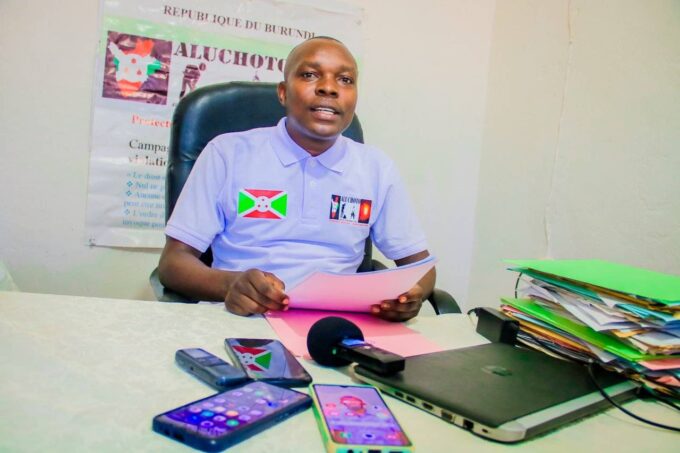
ALUCHOTO echoed ONLCT’s concerns, highlighting alarming human rights violations suffered by Burundian women recruited for domestic work in Gulf states.
Speaking at a press briefing, Vianney Ndayisaba, the organization’s national coordinator, detailed extreme abuses—including coerced bestiality—reported by returned migrant workers.
“Many Burundians who go there are abused, sometimes forced into sexual acts with animals by their employers,” Ndayisaba said. “Afterward, the recruitment agencies force them to repay the money spent on their travel, even though these conditions were never part of the agreements.”
Despite bilateral agreements meant to protect migrant workers, thousands continue to face maltreatment. According to a February 2025 report by the Ministry of Foreign Affairs, Burundi has deployed over 17,000 domestic workers to Saudi Arabia, generating 10 billion BIF and 10 million USD over the past 18 months.
Human rights defenders say the country’s financial earnings cannot justify the human cost.
In 2025 alone, at least 92 Burundian women suffered severe abuses in Saudi Arabia—ranging from rape and unpaid wages to physical torture and forced confinement—according to the National Federation of Child Rights Organizations (FENADEB).
Sexual Exploitation and Forced Marriage at Home
ALUCHOTO also raised concerns over sexual violence and exploitation within Burundi, including forced marriages involving both minors and adults, and “sex-for-jobs” practices allegedly imposed by influential officials.
“Some women are given jobs only after engaging in sexual relations with powerful individuals,” Ndayisaba said. “This fuels domestic violence, and in some cases husbands are killed by the same powerful men exploiting their wives.”
The organization further denounced widespread labor abuses in private companies, where employees are reportedly hired without contracts, under manipulated agreements, or fired in degrading conditions. Domestic workers, it added, are among the most vulnerable, often unpaid or gradually “crushed” by exploitation.
ONLCT has called for an urgent review of Law No. 1/28 of October 2014, governing the prevention and suppression of human trafficking, arguing that it is no longer adequate in the era of rapidly expanding digital technology.
The group also proposed the creation of a Special Anti-Trafficking Court and a dedicated brigade to combat increasingly sophisticated trafficking networks, particularly those operating online.





Leave a comment