
Burundi lawmakers have expressed concerns over shortages of medicines in public health facilities after an audit of the country’s central medical procurement agency found financial management shortcomings, including a 5 billion Burundian franc bank placement made without the required documentation.
The findings by Burundi’s Court of Auditors concerning the Central Purchasing Agency for Essential Medicines, Medical Devices and Laboratory Products and Equipment (CAMEBU) were presented to the National Assembly on Thursday.
According to the audit report, CAMEBU placed 5 billion Burundian francs with Burundi’s Housing Bank (BHB) on Dec. 31, 2025, without a Bank of the Republic of Burundi inspection report assessing the bank’s solvency and without evidence that the funds exceeded CAMEBU’s short-term needs.
The auditors said the transaction breached CAMEBU’s procedures manual, which requires bank placements to comply with limits set by its board and to be based on an assessment of the bank’s financial position.
The audit findings prompted lawmakers to link management problems at CAMEBU to persistent shortages of medicines in health facilities across the country.
“In several dispensaries, including those of the public service health insurance scheme, people are complaining about a lack of medicines,” National Assembly President Daniel Gelase Ndabirabe said. He also said some medicines available at health facilities were at times already expired.
First Deputy Speaker Fabrice Nkurunziza said lawmakers had observed similar problems during a visit to CAMEBU and the public service health insurance scheme in 2024.
He said the insurance scheme had complained that CAMEBU failed to deliver some medicines it had ordered, supplied medicines approaching their expiry dates or delivered products that had not been ordered.
Nkurunziza questioned why medicines and medical equipment were being allowed to approach expiry at a central procurement agency that should import products according to orders placed by health facilities.
Health Minister Fidele Nkezabahizi defended CAMEBU’s performance, saying the agency had made progress in recent months and was not facing bankruptcy.
“CAMEBU in February is not the same as CAMEBU today in September,” Nkezabahizi told lawmakers, adding that the agency’s situation was expected to improve further in the coming years.
The minister said strategies were being implemented to address the sector’s problems and that the availability of medicines had improved compared with previous periods.
He said CAMEBU had sufficient liquidity in Burundian francs and continued to supply medicines to health facilities even when they had outstanding debts to the agency.
The main obstacle, he said, was sometimes a shortage of foreign currency, which could delay imports and prevent medicines from arriving on time.
Nkezabahizi said the government expected major improvements in the health sector within five years, with support from Burundi’s development partners and the establishment of domestic pharmaceutical manufacturing.
Private investors have already begun setting up medicine-production plants, he said, which could help reduce the country’s dependence on imported medicines.
But lawmakers remained dissatisfied with the government’s response.
Ndabirabe said audits, particularly those conducted by the Court of Auditors, should be followed by sanctions when recommendations are not implemented.
He warned that lawmakers could write to President Evariste Ndayishimiye to propose sanctions against those responsible if audit recommendations were ignored.
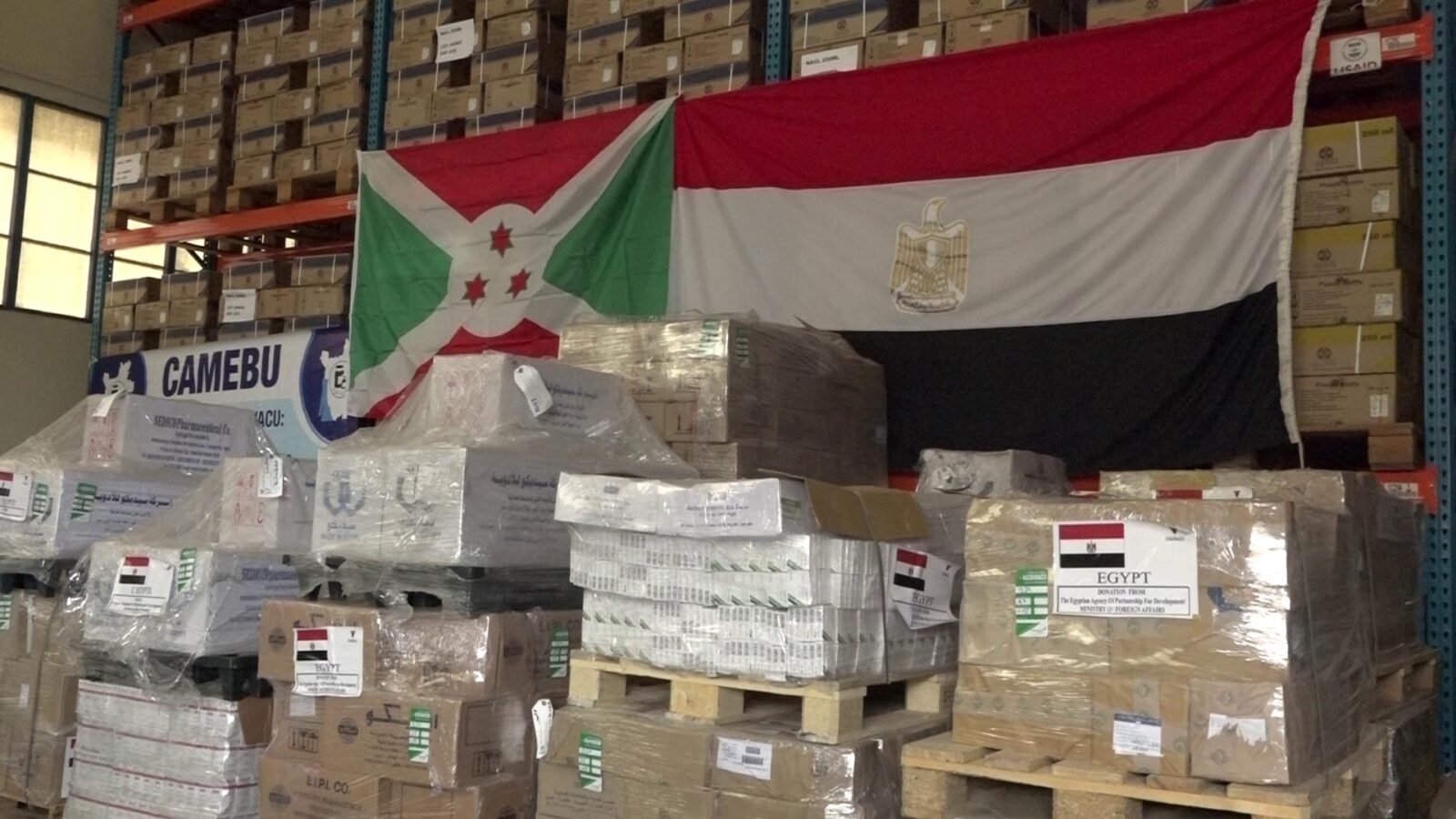
CAMEBU is the government’s central agency with a monopoly on importing medicines into Burundi. Patients have for years reported shortages of some medicines in public health facilities even when the same products are available in private pharmacies, often at higher prices.
The shortages have raised concerns about access to treatment for lower-income Burundians.