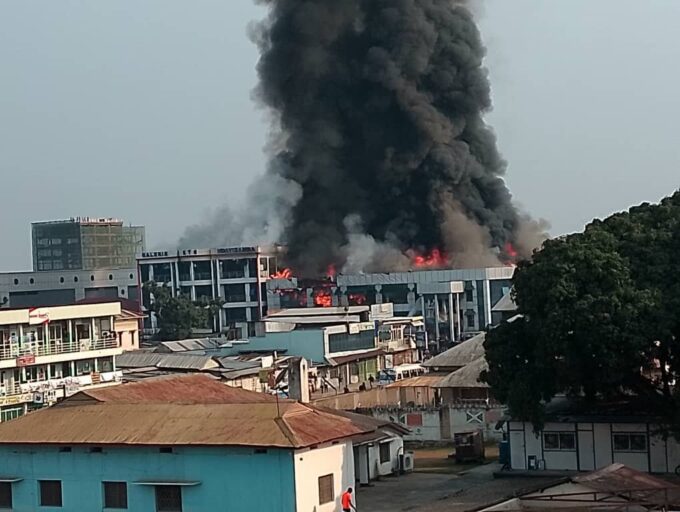

Burundi’s two major trade union confederations, COSYBU and CSB, have expressed concern over deteriorating socio-economic conditions, warning that the country’s prolonged fuel shortage could be further compounded by a series of fires destroying markets and commercial premises across the country.
In a joint statement released on Thursday, COSYBU and CSB said they were closely monitoring the country’s socio-economic situation and were “deeply concerned” about developments that are increasingly affecting people’s living and working conditions.
The unions said the country’s current challenges require “transparency, responsibility, solidarity and dialogue.”
They expressed particular concern over the persistent fuel shortage and its impact on the economy and the daily lives of Burundians.
“The persistent shortage has resulted in disruptions to the transport of people and goods, increased transportation costs, higher prices for many goods and services, reduced purchasing power for workers and households, delays and disruptions in the activities of businesses and public administrations, increased costs for companies and, more broadly, a worsening cost of living,” the two confederations said.
According to COSYBU and CSB, workers have been particularly affected because their incomes have not necessarily kept pace with the rising cost of living. The unions warned that this situation is undermining efforts to improve living and working conditions for the Burundian population.
To address the crisis, the confederations called for the establishment of an inclusive and permanent national social dialogue, particularly on fuel supplies and their socio-economic consequences.
“This dialogue should bring together, in particular, public authorities, representatives of civil society and all other relevant stakeholders to jointly seek immediate, medium- and long-term solutions aimed at reducing the negative effects of the shortage and preventing the recurrence of such crises,” the unions said.
They added that the dialogue should examine “the structural causes of the shortage, fuel supply and distribution mechanisms, measures to ensure the regular availability of petroleum products, as well as energy diversification strategies and ways to reduce the vulnerability of the national economy.”
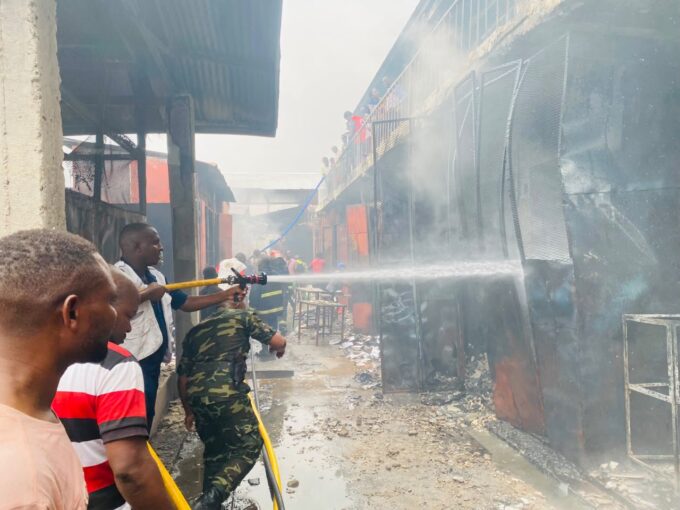
The unions’ statement comes as the country is also being shaken by recurring fires affecting markets and other commercial premises, including shopping galleries.
COSYBU and CSB said they were observing “with great concern the recurrence of fires that have, for several years, affected markets, shops, stores, warehouses and other commercial premises in different parts of the country.”
The fires, they said, represent “a significant threat to the livelihoods of thousands of families and to the national economy.”
The two confederations called for stronger fire prevention and safety measures and increased capacity for agencies responsible for fire prevention and firefighting, particularly through improved equipment.
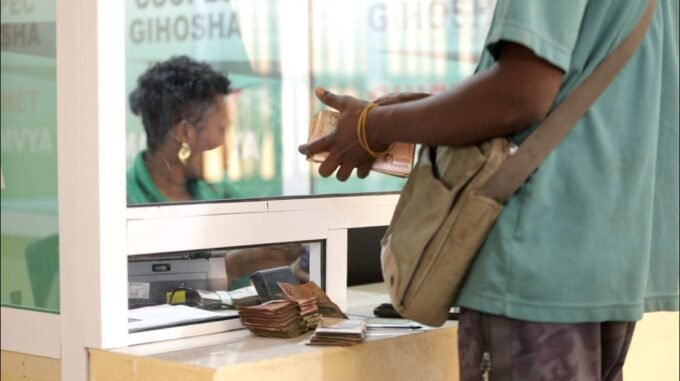
Burundi has faced petroleum product shortages for several years, largely due to foreign currency shortages. The crisis has made daily life increasingly difficult for many people, contributing to rising prices and, in some cases, shortages of essential goods.
Some political and civil society actors have argued that Burundi should seek financial assistance from international partners to help secure supplies of petroleum products, particularly fuel. This position, however, differs from that of the authorities, who maintain that relying on foreign aid could deepen the country’s economic dependence.
Meanwhile, trade unions warn that the economic crisis could be further aggravated by the wave of market fires. The incidents have left thousands of traders and employees facing uncertainty and significant losses, adding further pressure to an already fragile socio-economic situation.