

Business operators in Burundi have warned that persistent power outages, fuel shortages, limited access to foreign currency and a lack of cash in commercial banks could force companies across several sectors to shut down.
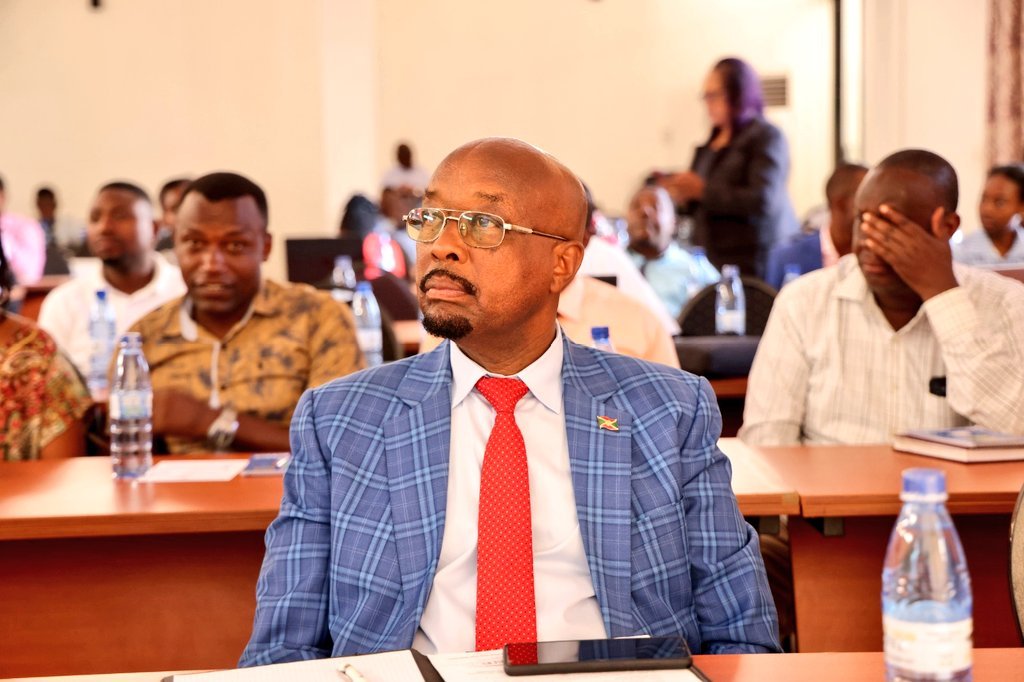
The concerns were raised at a meeting on Wednesday with Trade, Industry, Transport, Mining and Tourism Minister Hassan Kibeya, who pledged to establish an inclusive committee to examine the problems and propose solutions.
Kibeya described the meeting as the start of a roadmap for addressing the challenges facing businesses, saying the committee would bring together relevant stakeholders to agree on measures to tackle each issue.
“There is no problem that cannot be solved,” he told participants, adding that the outcome would depend on how the issues were approached.
Business representatives from industry, hospitality, passenger transport and freight transport cited frequent electricity cuts, fuel shortages and a widening gap between the official exchange rate set by the Bank of the Republic of Burundi (BRB) and the rate on the parallel market.
Some also raised concerns about insufficient cash availability at commercial banks, saying the problem was undermining business operations and confidence in the financial system.
“Banks are currently facing a severe shortage of liquidity. This is a very important issue because it negatively affects the business environment,” said Roger Guy Ntwenguye, chief executive of the Commercial Bank of Burundi (BCB).
He said some economic actors were choosing to keep their money at home for fear of being unable to withdraw it from banks when needed.
“It is regrettable that someone deposits money in a bank and then finds it difficult to withdraw their own money as they wish,” Ntwenguye said.
Market fires deepen financial pressures
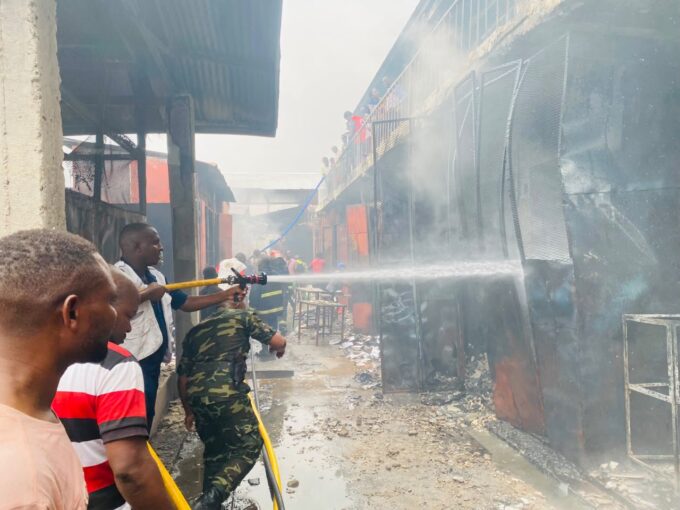
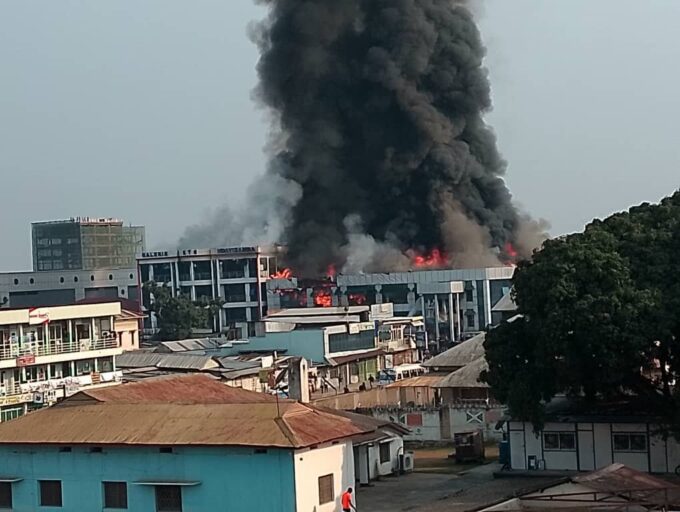
Recent fires that have destroyed markets in several parts of Burundi have added to the difficulties facing the banking sector, with affected traders struggling to repay loans after losing their businesses and assets.
“Loans granted to entrepreneurs are no longer returning to the banks as borrowers are failing to make repayments as usual,” Ntwenguye said, attributing the situation to business losses and the destruction caused by market fires.
Marie-Louise Kamikazi, executive director of Burundi’s Network of Microfinance Institutions (RIM), said microfinance institutions had recorded estimated capital losses of 600 billion Burundian francs as a result of recent fires in different provinces.
Kibeya said a committee had already been established to examine the circumstances of traders who lost their property in market fires and determine how victims could be compensated.
Foreign currency gap complicates imports
The disparity between official and parallel-market exchange rates was another major concern raised by business representatives.
Ntwenguye said importers were struggling to obtain foreign currency through formal banking channels, forcing questions about how they were financing imports and declaring the value of their goods to the Burundi Revenue Authority (OBR).
“Importers are bringing in goods, but we, the banks, do not have foreign currency. Where are importers getting it? Surely, it is from the black market,” he said.
He questioned how importers who obtained foreign currency at parallel-market rates could accurately declare the value of their imported goods to the tax authorities.
Ntwenguye called for priority access to foreign currency for key economic sectors, including brewing company Brarudi, agriculture and healthcare, regardless of the amount of foreign exchange available.
He said resolving the problem would require decisive action from the authorities.
Power cuts threaten industry and hotels
Frequent electricity outages were also highlighted as a major threat to industrial production and the hospitality sector.
Victor Girukwishaka, a business operator in the hotel and industrial sectors, said electricity was being cut at least three times a day, making it increasingly difficult for businesses to operate.
“We cannot develop without electricity. Hotels and industries will close if nothing is done,” he said.
Girukwishaka questioned the gap between official accounts of increased electricity generation capacity and the difficulties experienced by businesses on the ground.
He said production could be lost when power failed while machinery was running, particularly when fuel was unavailable to operate backup generators.
He also blamed the ageing electricity distribution network for preventing available power from reaching businesses that needed it.
“The electricity distribution network is very old. As a result, industry is severely affected because the limited electricity available does not reach those who need it,” he said.
Hotels were also facing mounting costs as they increasingly relied on fuel-powered generators, he added.
Girukwishaka warned that businesses should not automatically be blamed for poor management if hotels were forced to close because of electricity shortages.
He also questioned the continued requirement for businesses to pay taxes and other charges when unreliable power supplies were making normal operations increasingly difficult.
Committee to begin work next week
The minister said the proposed committee would begin examining the issues raised at the meeting the following week, with the aim of identifying possible responses before the end of the year.
“Starting next week, the first meeting will be held to examine the initial problems on the list submitted during this meeting,” he said.
The government hoped to identify solutions by year-end and, if the current fiscal year’s budget were revised, incorporate some of the proposed measures into the revised budget, he added.
Kibeya also urged businesses to comply with the law, pay taxes and duties, respect pricing rules and observe fair-competition requirements.
He said the government would not tolerate smuggling or trade that violated legal requirements, arguing that sustainable development depended on businesses contributing to public revenue.
Kibeya reiterated that dialogue between the government and the private sector was essential to resolving the country’s economic challenges.
He pledged that no problem would remain without a solution if all parties concerned worked together to find one.