
Leaders of opposition parties in Burundi have voiced strong concerns over a significant increase in the financial deposit required for candidates seeking to run in the 2027 presidential election, warning that the move could restrict political participation.
Under the current electoral code, presidential candidates must pay a deposit of 100 million Burundian francs (BIF), a substantial rise from the 50 million BIF required during the 2020 elections. Opposition leaders argue that the increased amount poses a major barrier for many aspiring candidates.
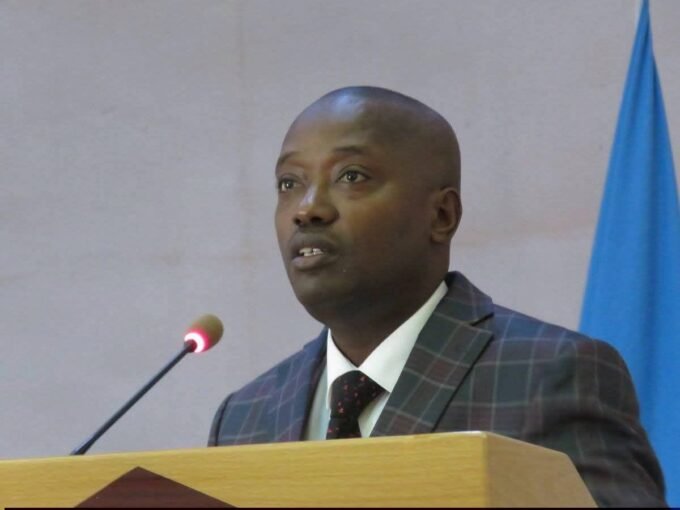
Olivier Nkurunziza, head of the UPRONA, said he does not understand why the deposit was doubled for the first time in the country’s electoral history.
“100 million is an enormous sum, especially when compared to the deposits paid in the 2020 presidential elections,” Nkurunziza said. He further alleged that the decision may be aimed at limiting competition. “There is something suspicious behind this. The objective is simply to block other candidates from running,” he added.
Similar concerns were raised by Abdoul Kassim, president of the UPD Zigamibanga. He described the measure as a tactic by the ruling party CNDD-FDD to sideline opposition groups.
“This is a path chosen by those in power to exclude other parties,” Kassim said. “However, regardless of the situation, we intend to participate in the election, even as we continue to denounce this as a means of exclusion.”
In contrast, President Évariste Ndayishimiye dismissed the criticism, arguing that the deposit is relatively minor compared to the costs involved in organizing elections, particularly the printing of ballot papers.
“Those who say the required deposit is excessive have not considered the money used to produce ballot papers,” Ndayishimiye said during a ceremony earlier this week marking the launch of voter education activities for the 2027 election.
He added that the deposit is refundable if candidates secure the required number of votes, urging critics not to “waste the country’s time” and to allow serious candidates to proceed.
The current electoral code does not provide a clear justification for setting the presidential deposit at this level. However, it specifies that deposits for local council elections—set at 200,000 BIF—are intended to discourage frivolous candidacies.
Burundi has effectively operated under a one-party-dominated system since 2025, when the ruling CNDD-FDD won all seats in legislative, communal, and local elections. Opposition parties contested those results, citing widespread irregularities.