
A leading local media watchdog has raised fresh concerns over what it describes as a steady deterioration of press freedom in Burundi, citing arbitrary detentions, intimidation, indirect censorship, and worsening economic conditions as major obstacles suffocating the country’s media landscape.
In its annual report released Tuesday, the Center for the Promotion of Information and Development (CEPID) painted a grim picture of journalism in 2025. Presenting the findings, CEPID chair Patrick Niyonkuru said the report aims to methodically document the state of the media sector from January to December 2025, covering issues related to media freedom, regulatory frameworks, and the professional and security conditions under which journalists operate.
“The purpose of this report is to present an overview of the media landscape in Burundi during the period from January to December 2025,” Niyonkuru said. “It aims to collect, organize, and methodically present available information relating to media freedom, its institutional and regulatory environment, as well as the conditions under which journalism was practiced.”
The report refrains from normative judgment, instead seeking to present documented facts. Yet the facts themselves suggest a climate marked by fear and uncertainty.
Arrests, Imprisonment and Impunity
Among the most striking incidents highlighted is the April 2025 arrest and physical assault of Bonesha FM journalist Willy Kwizera. He was reportedly attacked while covering living conditions at the University of Burundi and allegedly forced to sign a statement accusing him of disturbing public order before being released. “No substantial official response followed,” Niyonkuru noted, underscoring what CEPID describes as a pattern of impunity.
The organization renewed calls for the release of journalist Sandra Muhoza, who is serving a four-year sentence on charges related to treason and undermining national security after sharing information in a private WhatsApp group. International press freedom organizations have denounced her detention as arbitrary. CEPID also raised concern over journalist Kenny Claude Nduwimana, who remains imprisoned despite reportedly having completed his sentence.
Such cases, Niyonkuru warned, continue to shape the legal and security climate for journalists, reinforcing self-censorship and fear.
Indirect Censorship and Regulatory Pressure
Beyond arrests, CEPID pointed to what it calls indirect or administrative censorship. The National Communication Council (CNC), the state regulatory body, temporarily suspended programs from the online outlet Yaga over alleged irregularities. A private media synergy covering fuel shortages was also suspended, and leaders of the newspaper Iwacu were summoned by national intelligence services.
“These incidents contribute to growing self-censorship, especially regarding governance, politics, and security matters,” Niyonkuru said.
The regulatory body came under further scrutiny during the June 2025 legislative elections. Journalists reported restricted mobility due to persistent fuel shortages and limited access to reliable information. CEPID criticized provisions in the 2025 Electoral Code that impose heavy penalties — including prison terms of five to ten years — for announcing election results before official authorities, effectively restricting independent reporting on preliminary outcomes.
Although the Burundian Constitution guarantees freedom of expression, CEPID argues that legal protections remain insufficient in practice.
Economic Hardship and Professional Decline
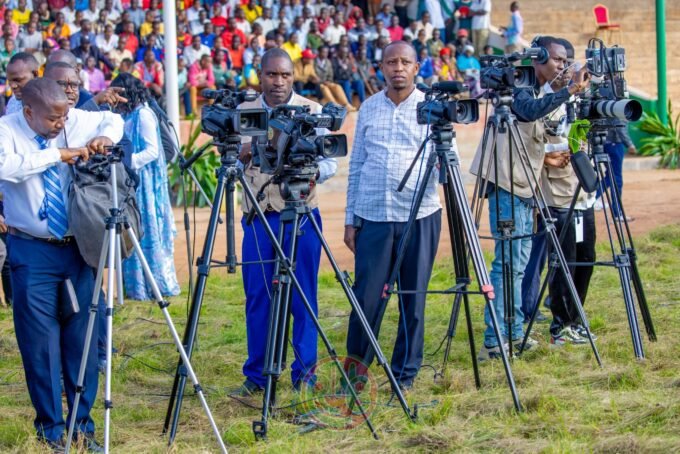
The report also highlights how dire living conditions compound restrictions on media freedom. Journalists face low and unstable salaries amid rising inflation and fuel shortages. Niyonkuru noted that some media professionals have come to depend on per diems or gifts offered during workshops and press conferences — a practice that risks compromising editorial independence.
“Rising living costs worsened working conditions. Mobility constraints reduced field reporting, limiting diversity and depth of coverage,” he said.
The economic strain has driven some journalists to abandon the profession or seek employment abroad, particularly in Gulf countries, in search of better opportunities.
Since 2017, Burundi has witnessed the growth of online outlets and YouTube channels, creating a new form of media pluralism. However, this expansion has also generated tensions between trained journalists and content creators, with some veteran reporters lamenting what they see as a decline in investigative rigor and critical questioning.
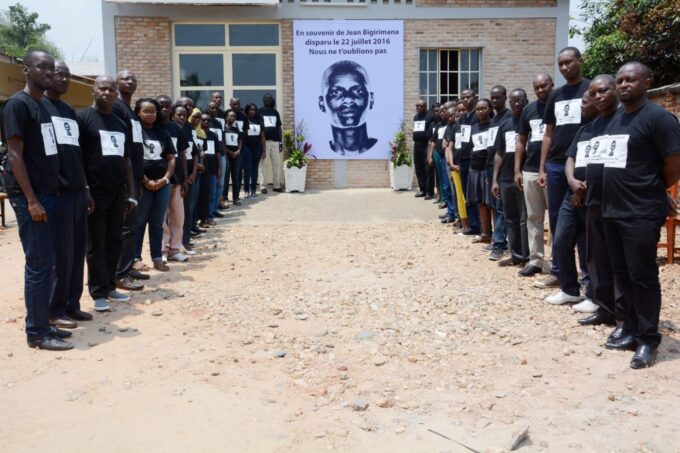
Observers link the current challenges to the unresolved legacy of the 2015 political crisis, during which several radio stations were burned or shut down following an attempted coup. Hundreds of journalists fled into exile. Although some outlets later reopened, investigative journalism has yet to fully recover.
“Since then, several independent media outlets have closed, while others have seen their operating space significantly reduced,” Niyonkuru said, adding that monitoring and information control mechanisms have intensified.
Burundi now ranks 125th out of 180 countries in the 2025 World Press Freedom Index, dropping 17 places from the previous year, according to Reporters Without Borders.
Mixed Reactions and Calls for Reform
The report has sparked varied reactions among media professionals. Thibilisse Nkurunziza, director of the online newspaper SHIKIRIZA, welcomed the initiative, describing it as a timely reminder of the sector’s struggles.
“Intimidation, denial of access to information, and similar practices are real and visible problems. Yet concrete actions to address them remain lacking from state institutions or the CNC,” he said, arguing that declining media capacity benefits certain actors.
Guillaume Muhoza, director of Iris News, said the findings reflect longstanding issues rooted in Burundi’s history of political violence. He called for mutual understanding between journalists and authorities, emphasizing the need for dialogue, professional training, and a shared commitment to the public interest.
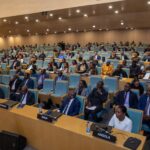
Despite President Evariste Ndayishimiye’s public statements supporting media engagement — including criticism of restrictions on reporting fuel shortages — journalists continue to report difficulties accessing information. Recent decisions, such as banning non-state media from covering National Assembly plenary sessions, have deepened concerns.
As of now, the CNC has not formally responded to CEPID’s latest findings.