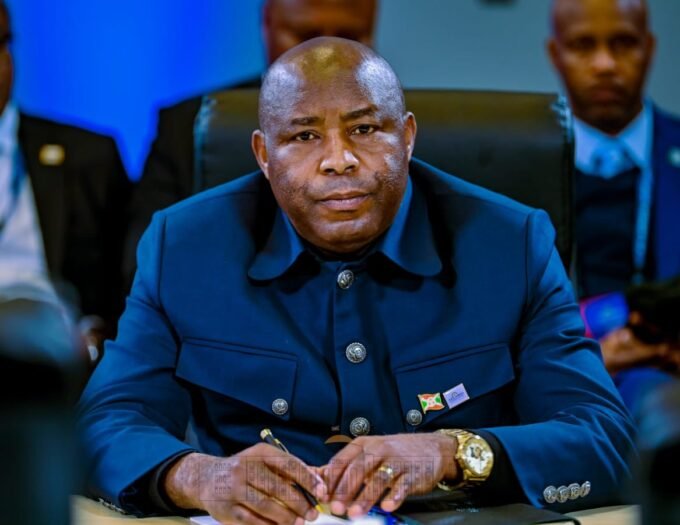

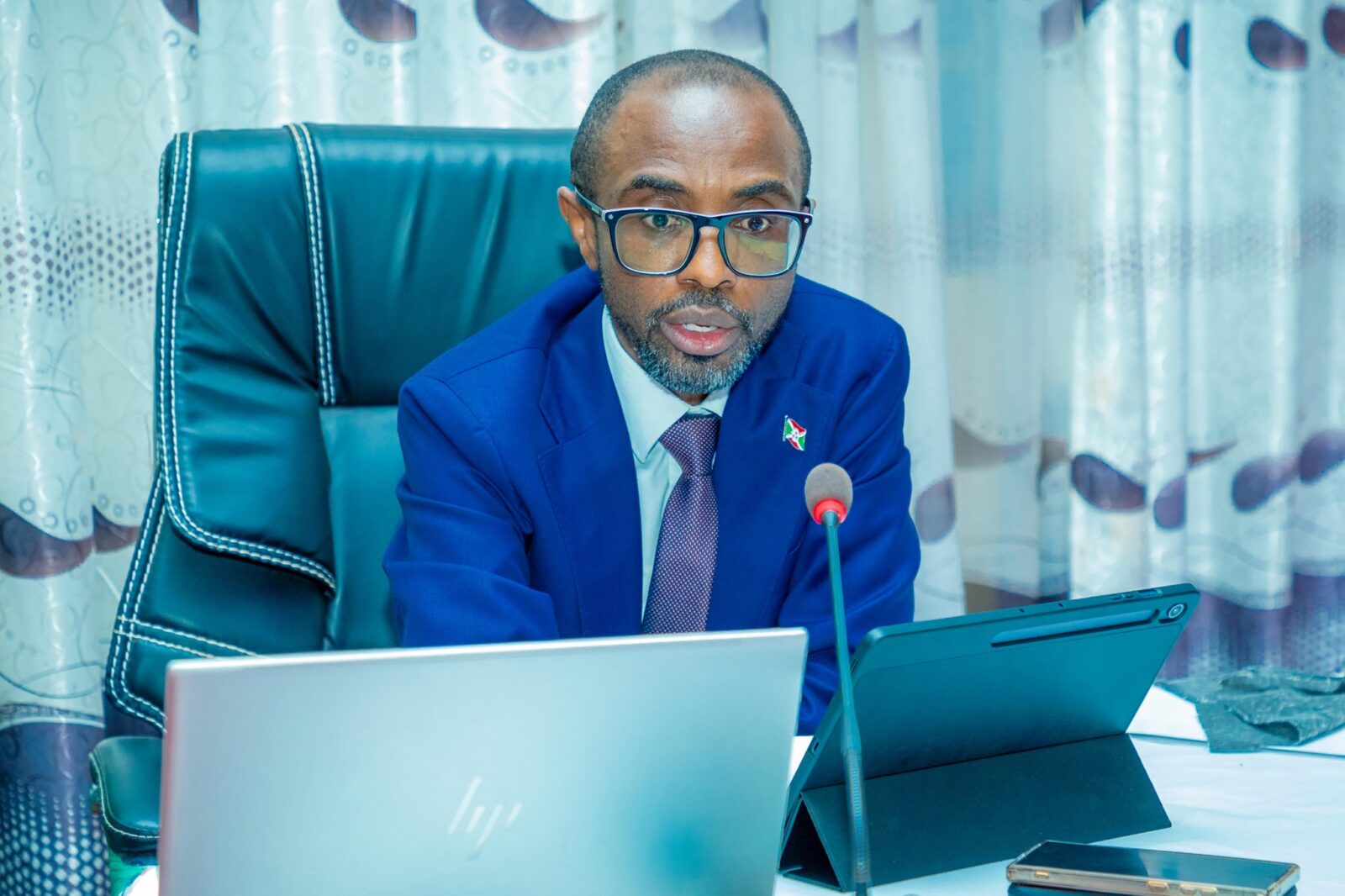
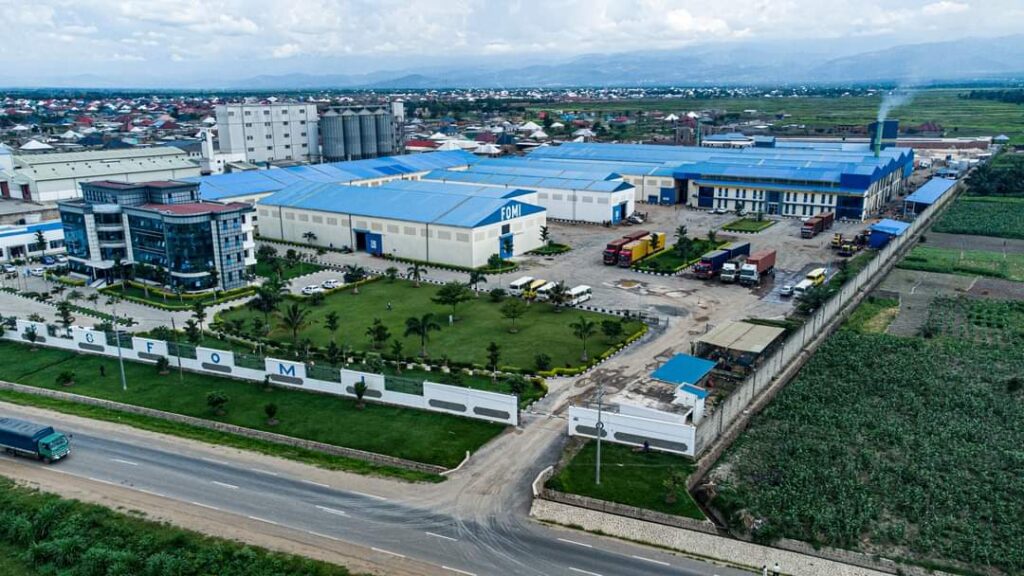
Burundi’s Minister of Finance Alain Ndikumana has accused local fertilizer manufacturer FOMI of unilaterally exceeding contractually agreed supply quotas and charging the government and citizens billions of francs in additional costs. The minister says these allegations have exposed him to threats, reigniting concerns over financial governance in a sector vital to the country’s economy.
Speaking before the Senate on Friday, Minister Ndikumana said FOMI surpassed contracted fertilizer quantities across multiple planting seasons and is now seeking compensation for the excess.
“For the 2025 agricultural seasons B and C, the real quantities of fertilizers exceeded the contracted quantities by 17.5%,” he said, adding that FOMI is pressuring the Ministry of Finance to sign an amendment retroactively approving the overruns.
According to the minister, the company is demanding 50 billion BIF from the government and 24 billion BIF from citizens to cover the surplus—figures he insists were never negotiated or approved.
“How can you deliver fertilizers beyond what was agreed in the contract? And now you ask us to pay for them? Does this make any sense?” he asked.
He said FOMI has also presented amendments for season C of 2024 and season A of 2025, claiming an additional 3.9% over contract quantities, which would cost the state a further 6.8 billion BIF.
Calling the situation “complete budgetary indiscipline,” the minister lawmakers to advise him.
“Tell me where this money is supposed to come from. You tell me I must pay it—where will I get it? This is what we are dealing with. It’s high time this stopped.”
He further claimed this has exposed him to intimidation.
“I don’t have issues with anyone…. I stand by the truth without fear, and I know nothing will happen to me, even though I receive threats,” he said adding: “Whoever wants to challenge me can come — I will give them a copy of the contract. This has to end.”
PARCEM: “This Should Trigger Investigations”
Civil society organization PARCEM reacted on Monday. Its director, Faustin Ndikumana, welcomed the ministry’s transparency but urged swift accountability.
“We would like to encourage the minister because he understands what is happening and is revealing the truth,” he said.
Ndikumana noted that 60% to 70% of the agriculture budget is allocated to fertilizers, yet shortages persist nationwide.
“We see billions going into this sector every year, but fertilizers never reach the population as they should. We are not surprised—we have raised this issue before.”
He referenced previous advances paid to FOMI but believes they were never reimbursed.
“There is even a budget line for recovering these funds. I do not know if they were ever recovered. This shows clear collusion between public officials and private actors who benefit from the system.”
Ndikumana described a recurring pattern in which government officials defend private interests over national priorities.
“You see ministers going to cabinet meetings not to defend the country, but to defend deals where they have something to gain.”
PARCEM calls for urgent investigations by oversight institutions, including the Court of Auditors.
“This case should be investigated. We need to know what happened to the money since 2020. Otherwise, it will be like other corruption cases that were talked about and then forgotten.”
He warned that Burundi is reaching a breaking point.
“Mismanagement and corruption are overflowing. The highest authorities, especially the Head of State, must take concrete action, or we will continue moving backwards.”
The scandal comes amid recurrent fertilizer shortages, threatening harvests in a country where agriculture underpins survival. International development institutions estimate that around 80% of Burundians rely on subsistence farming, while historical data suggests the figure may reach 90%.
FOMI Responds, Denies Intimidation Claims
In a statement issued Tuesday, FOMI rejected allegations of threats against the Minister of Finance, insisting the company maintains a positive working relationship with the government.
“FOMI is not threatening or intimidating the Minister of Finance; we have always cooperated properly with the Government of Burundi,” the company said.
FOMI also defended its fertilizer distribution practices, saying increased demand has resulted from the President’s continued call for citizens to embrace agriculture. The company stated that seasonal increases are normal and communicated in coordination with agricultural authorities.
“Each year, as farmers request more fertilizer than initially projected, the government notifies FOMI and adjusts the distribution tickets accordingly,” the statement read, adding that 2025 projections rose by nearly 20% according to figures from the Agriculture Ministry.
This story has been updated to include a statement from FOMI