

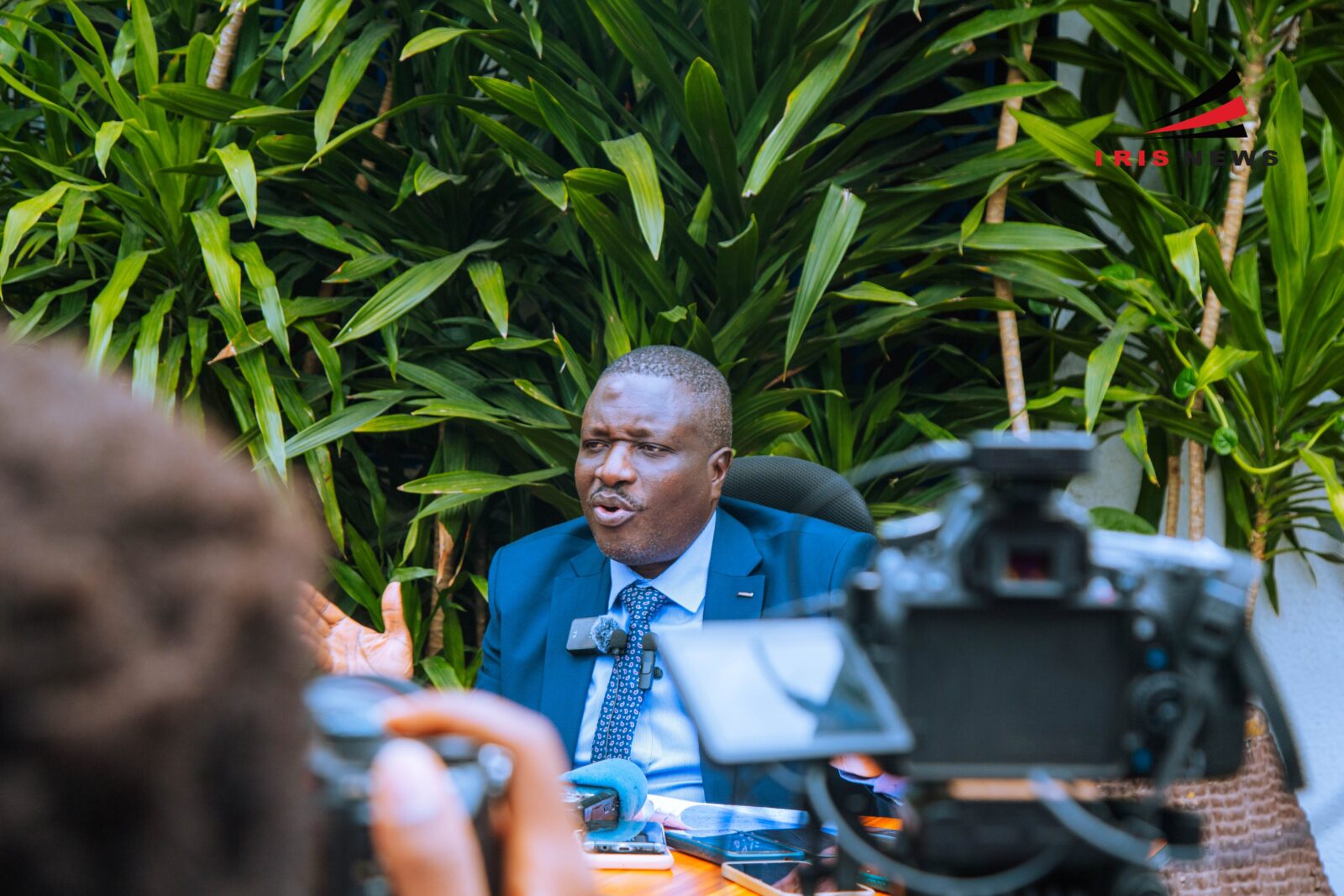
Burundian civil society organization PARCEM on Friday warned that rising inequality, weak governance and lack of transparency are eroding social justice and threatening national stability.
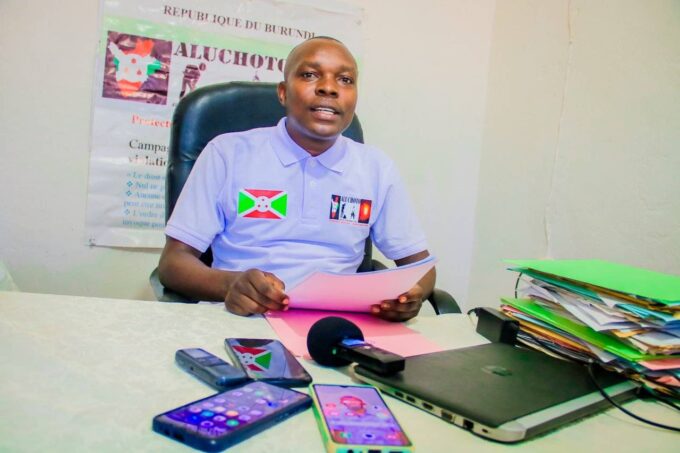
Speaking at a press conference in Bujumbura to mark International Social Justice Day, PARCEM leader Faustin Ndikumana said Burundi is falling short of the day’s core principles: equal access to national resources, equal opportunities for all citizens, and fair distribution of wealth.
Ndikumana described the country’s economy as increasingly “dual,” divided between a small, well-connected elite and the majority of citizens struggling to make ends meet. He pointed to what he called a steadily shrinking middle class — including teachers, doctors and small business owners — whose economic position continues to deteriorate.
“There appears to be a system that benefits a limited group, while the rest are left to fend for themselves,” he said, calling for a national debate on economic governance and wealth distribution.
Among the key concerns raised were alleged monopolies in strategic sectors. Ndikumana cited the fertilizer market, claiming that exclusive supply arrangements have sidelined other traders and left farmers without timely access to inputs, despite advance payments. He voiced similar concerns about fuel distribution, questioning reported import volumes amid persistent shortages.
He also criticized restrictions affecting agricultural markets, including maize and avocado sales, arguing that farmers face obstacles in freely selling their produce and often experience long payment delays.
On financial governance, Ndikumana questioned the management of foreign currencies, public debt and tax exemptions. While taxes and fees on ordinary citizens continue to increase, he said, certain exemptions allegedly go unaudited, depriving the state of revenue needed to fund essential services.
According to Ndikumana, more than 70 percent of the national budget is executed through public procurement, yet transparency in contract awards remains limited. He called for greater openness in agreements involving mining and other major investments.
He further expressed concern over what he termed “off-budget expenditures” and the blurring of lines between technical and political appointments in public service. Low salaries for professionals such as doctors, magistrates and university lecturers, he warned, are contributing to frustration and the departure of skilled workers to countries including Kenya, Zambia and Gulf states.
Addressing public debt, Ndikumana questioned the benefits of increased borrowing in the absence of visible large-scale development projects. “If public debt and monetary expansion are increasing, who is benefiting?” he asked, suggesting that economic gains appear concentrated within a narrow circle rather than stimulating broad-based growth.
He also denounced what he described as tolerance of corruption, conflicts of interest and illicit enrichment, urging stricter enforcement of asset declaration laws and stronger judicial independence.
Concluding his remarks, Ndikumana issued what he called a “wake-up call” to the government and President Évariste Ndayishimiye, warning that sustained inequality and exclusion could destabilize the country.
“Social justice is not optional,” he said. “When wealth remains concentrated in the hands of a few while the majority struggle, the consequences are visible in unemployment, migration n and growing frustration.”
He urged authorities to prioritize equitable economic reforms, transparent governance and greater investment in health, education and job creation to ensure development benefits all Burundians.
Moïse Ndayiragije contributed reporting



Leave a comment