


Burundian civil society groups PARCEM and OLUCOME say money laundering and corruption are tightening their grip on the country’s key economic sectors, warning that unchecked financial crimes are undermining economic recovery efforts.
Speaking to journalists on Thursday, OLUCOME president Gabriel Rufyiri said corruption has seeped into public institutions to the extent that basic infrastructure has deteriorated or vanished altogether.
“Corruption has spread everywhere. You will find areas with no roads, no public infrastructure — and even where such things exist, they are inadequate,” Rufyiri said. He pointed to missing radars and traffic lights that once operated in Bujumbura. “Where did they go? These are signs that corruption has become widespread.”
The organizations cite illicit enrichment, embezzlement, cash hoarding, and capital flight as the main drivers weakening the national economy.
OLUCOME’s concerns follow Tuesday’s National Conference on Combating Money Laundering and Terrorist Financing, held in Bujumbura as part of the government’s 2040–2060 development vision.
Prime Minister Nestor Ntahontuye, who attended the conference, acknowledged the economic fallout caused by money laundering, warning that illicit funds can fuel criminal or extremist activities.
“Possessing money whose sources remain unclear or hidden is classified among serious theft offenses that harm the national economy,” he said. “This money can be used in harmful networks, even to the point of financing terrorist acts or rebel movements.”
Finance Minister Alain Ndikumana underscored the need for strengthened oversight and modernization of public financial systems, arguing that transparency is essential for the country’s broader economic reforms planned for 2025–2027.
“Without a clean and resilient financial system, no reform can fully bear fruit. Without transparency and traceability of financial flows, macroeconomic stability remains fragile,” Ndikumana noted. He highlighted ongoing reforms including the digitalization of public finances, upgraded tax and customs systems, and strengthened anti-fraud measures.
A Country Struggling With Endemic Corruption
Burundi remains one of the world’s most corruption-prone nations. The 2024 Corruption Perceptions Index rated the country at 17 points—three points lower than in 2023—ranking it 165th out of 180 countries.
President Evariste Ndayishimiye has frequently presented himself as committed to fighting corruption. Earlier this year, he convened a retreat where stakeholders agreed to create a national anti-corruption framework based on accountability and transparency.
However, OLUCOME argues that little has changed on the ground.
“The president’s efforts to combat corruption have not yet borne tangible results,” Rufyiri said.
Illicit Enrichment and Conflicts of Interest on the Rise
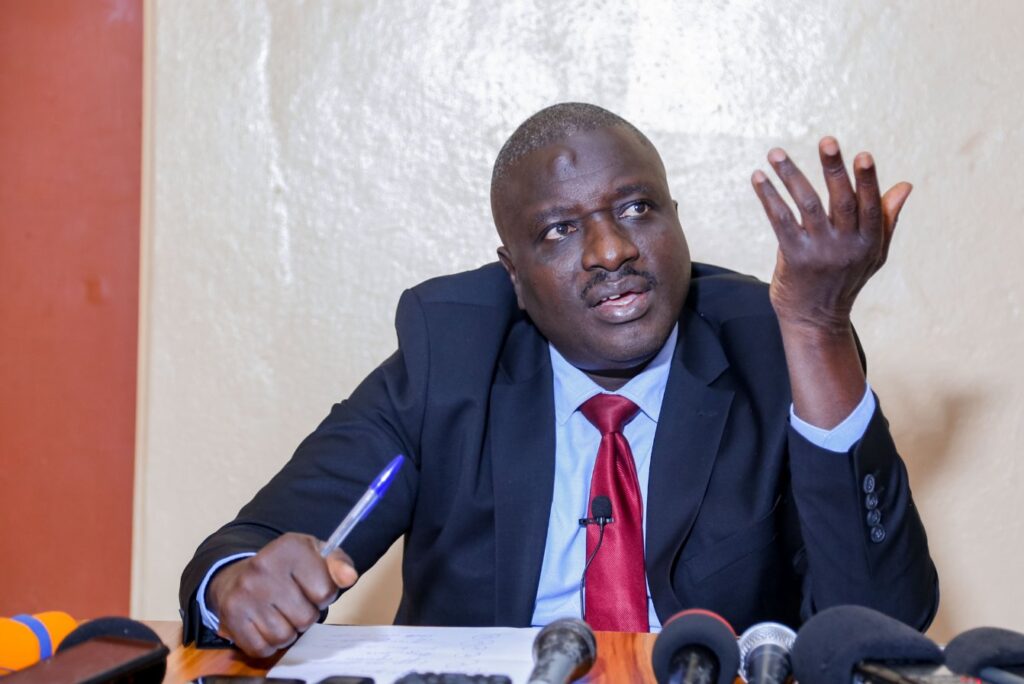
Rufyiri also criticized what he described as an increasingly common practice: government officials engaging in private business activities, often in sectors such as sugar, fuel, or petroleum.
“How can you go into business alongside a minister or a general?” he said. “It becomes impossible… yet this shows the extent to which the country is rotten.”
PARCEM director Faustin Ndikumana expressed similar concerns, stressing that illicit enrichment is becoming visible across financial and real-estate sectors.
“Houses are being bought, cars are being purchased, and you wonder where the money comes from,” he said in a video message posted on X. “This comes from embezzlement, corruption, exemptions. When such crimes become widespread and nothing is done, it is a catastrophe.”
Ndikumana also highlighted the dominance of the informal economy, including a parallel foreign-currency market he said finances more than 60 percent of imports but operates outside government oversight.
“Its money is generated informally because none of its exchange bureaus are known or registered to pay taxes,” he said. As informal transactions grow, he added, banking usage drops sharply, leaving fewer traceable financial operations.
Another destabilizing trend, he said, is widespread cash hoarding, which has contributed to shortages of 5,000 BIF banknotes in the banking system.
Justice System Under Strain
Ndikumana warned that corruption within the justice system risks turning legal institutions into political instruments used selectively to defend personal interests rather than uphold the law.
“There are countries that use the judicial system as a weapon against their opponents while protecting those who commit crimes,” he said, arguing that a dysfunctional justice system deepens public distrust.
To address the escalating crisis, PARCEM recommended intensified public awareness campaigns, reforms to strengthen the legal framework, improved governance, and legal action against implicated officials.
Meanwhile, the government is preparing to release a national anti-corruption manual aimed at standardizing efforts to combat financial crimes. Critics say the move is a step in the right direction but insist that political will and consistent enforcement will determine whether it produces real change.






Leave a comment