
The Burundian Ministry of Agriculture has authorized farmers cultivating large areas of land, as well as members of agricultural cooperatives, to apply for permits to import chemical fertilizers, as the country continues to grapple with persistent shortages of agricultural inputs.
In a statement, the ministry said eligible farmers could request authorization to import fertilizers, provided they specify the type of fertilizer, the quantity in kilograms or tonnes, and the country of origin in their application letter.
The decision comes after years of complaints from farmers who say they have struggled to access fertilizers despite paying advance fees for supplies intended for different agricultural seasons.
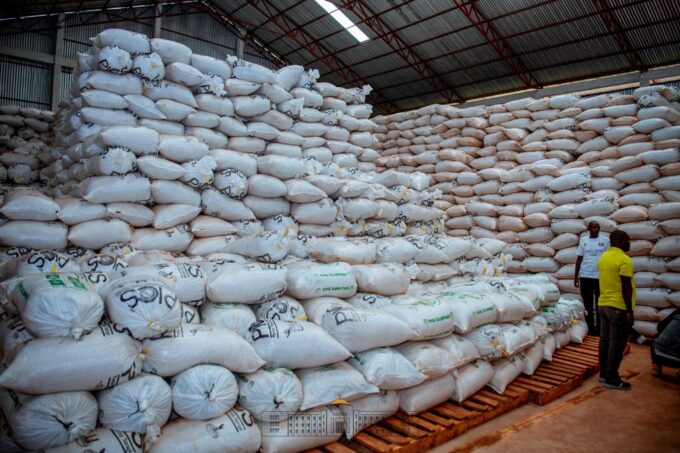
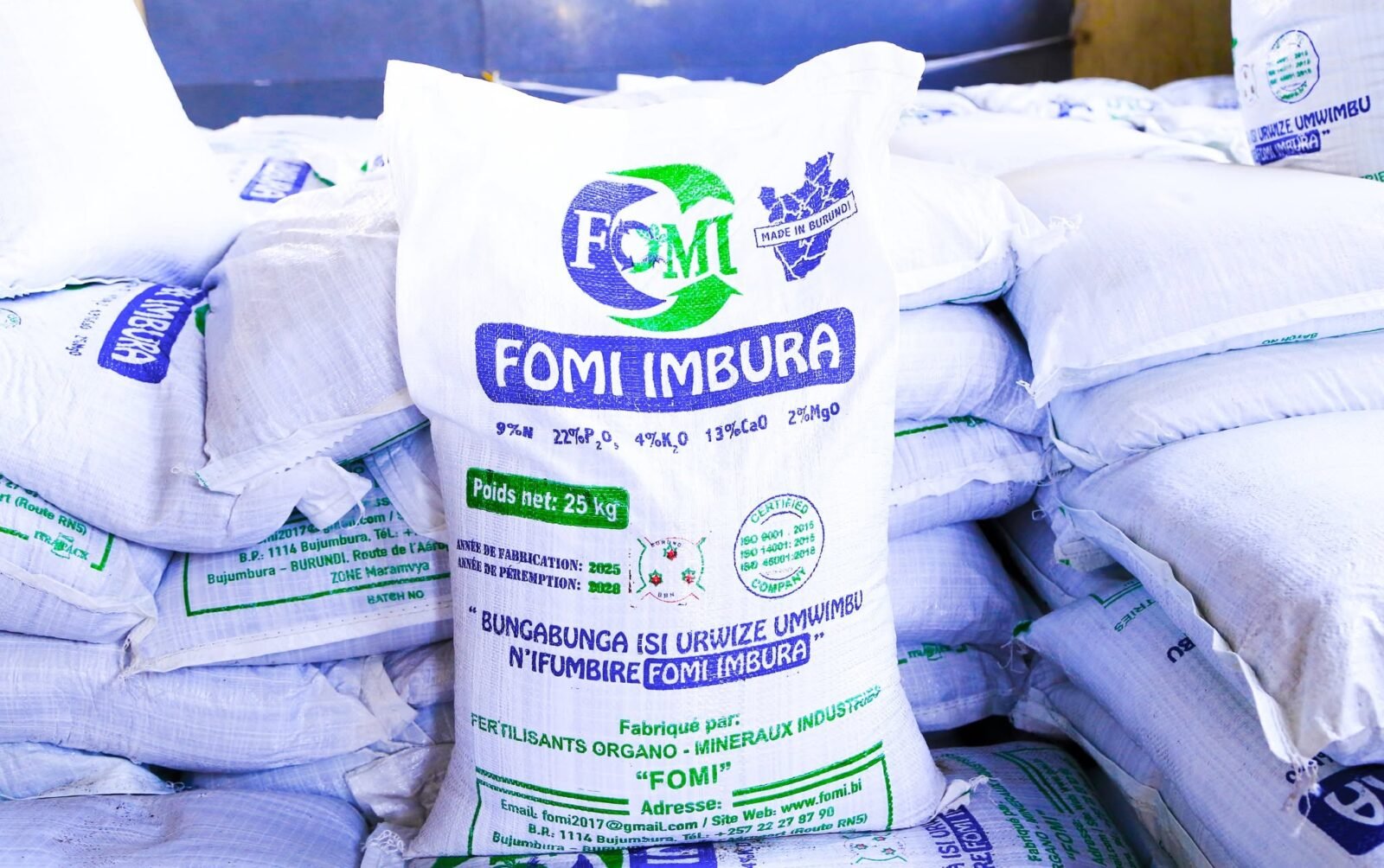
Burundi currently has only one fertilizer manufacturing plant, FOMI, which has been unable to meet the country’s demand in recent years. The company has faced difficulties securing foreign currency to import the raw materials needed for production, amid a broader foreign exchange shortage affecting several sectors of the economy.
“The main problem is therefore the shortage of foreign currency,” FOMI Deputy Managing Director Herménégilde Manyange said at a press conference in early 2026.
Government to reimburse farmers who did not receive fertilizers
The supply crisis has also forced the government to reimburse farmers who paid for fertilizers for the 2026 B cropping season but did not receive their supplies.
In a statement issued late last week, the Agriculture Ministry announced that reimbursement would take place from Monday, October 19, through Friday, October 23, 2026.
However, the ministry did not disclose the total amount owed to the affected farmers.
The reimbursement decision has drawn criticism from civil society organizations, including the Association for the Fight Against Unemployment and Torture (ALUCHOTO), which says the measure undermines citizens’ rights.
“How can you ask citizens to pay for fertilizers and then tell them afterward that their money will be refunded?” asked Vianney Ndayisaba, the organization’s national coordinator, during a press briefing following the announcement.
Ndayisaba argued that the money paid by farmers should instead be carried forward to the next fertilizer distribution cycle. He also questioned whether farmers would receive interest on their money and raised concerns about transparency in the management of funds allocated to the fertilizer sector.
He further questioned why the government had increased the budget allocated to fertilizers for the current fiscal year despite farmers already having paid advance fees.
Ndayisaba also expressed concern about the practical challenges of reimbursement, including the requirement for farmers to present payment receipts. He questioned how authorities would handle cases in which receipts had been lost and raised concerns about the security and accountability of funds handled by local officials.
Reimbursement process faces logistical challenges
The reimbursement exercise has encountered difficulties in several parts of the country.
In Kayanza, in northern Burundi’s Butanyerera Province, farmers complained on Tuesday that power outages had prevented them from collecting their money at the post office. Some reportedly offered to buy fuel themselves to keep the office operating, but their efforts were unsuccessful.
In Rumonge, in the southern province of Burunga, farmers complained that they had to travel long distances to reach banks or microfinance institutions to collect their refunds.
In Mwaro Commune, in Gitega Province in central Burundi, some farmers said they could not receive their money because they had lost their payment tickets. Long queues also formed outside the post office on Tuesday.
The difficulties have added to farmers’ frustration as they seek to recover money paid for agricultural inputs they never received.
Meanwhile, the Agriculture Ministry continues to urge farmers to pay advance fees for fertilizers for the next cropping season, despite the ongoing reimbursement process for the previous season. The situation has raised questions about the consistency of the government’s approach to managing fertilizer supplies.
Under the new measure, farmers will not be free to import any fertilizer of their choice. The ministry’s statement specifies that authorized products include diammonium phosphate (DAP), urea, potassium chloride (KCl), and products similar to FOMI’s IMBURA, BAGARA and TOTAHAZA fertilizers.
The authorization could provide some farmers with an alternative source of supply while the domestic industry struggles to meet demand. However, the requirement to obtain a government permit means that imports will remain subject to official approval.
Move follows liberalization of organic fertilizer production
The decision to allow farmers to import chemical fertilizers comes days after President Évariste Ndayishimiye announced the liberalization of the production of locally made organic fertilizers in early October.
Faustin Ndikumana, national director of the civil society organization PARCEM, has argued that liberalizing production should be accompanied by stronger research capacity at the Institute of Agronomic Sciences of Burundi (ISABU). Such measures, he said, would help ensure better quality control of fertilizers and seeds.
The two initiatives reflect efforts to address the country’s continuing agricultural input shortages, although concerns remain about whether the measures will translate into reliable supplies for farmers.
Persistent shortages despite government interventions
The fertilizer crisis has persisted despite several government initiatives intended to improve distribution. These have included nationwide surveys ordered by the president to identify farmers’ needs, the quantities of fertilizer required and the size of cultivated areas in each administrative locality.
Authorities have previously linked the shortage to the growing demand for agricultural inputs following government calls for citizens to engage more actively in farming.
However, the inability of domestic production to meet demand, combined with foreign currency constraints that hamper the importation of raw materials, continues to pose a major challenge.
For farmers, the latest import authorization offers a potential alternative to relying exclusively on domestic supplies. Yet the reimbursement difficulties, ongoing advance payments and persistent shortages raise questions about whether the measures will be sufficient to ensure timely access to fertilizers for future cropping seasons.