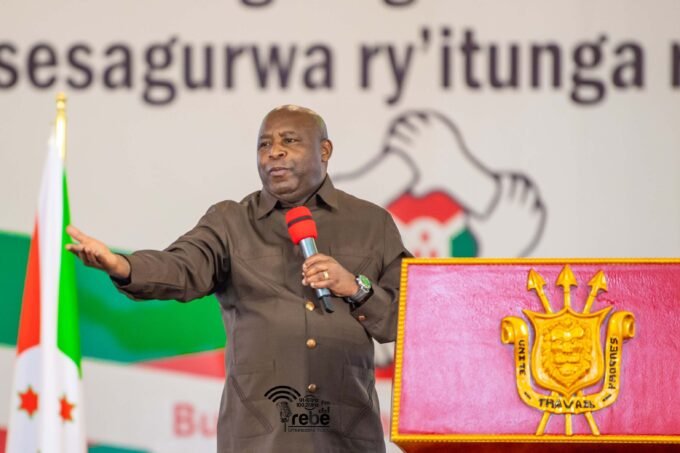

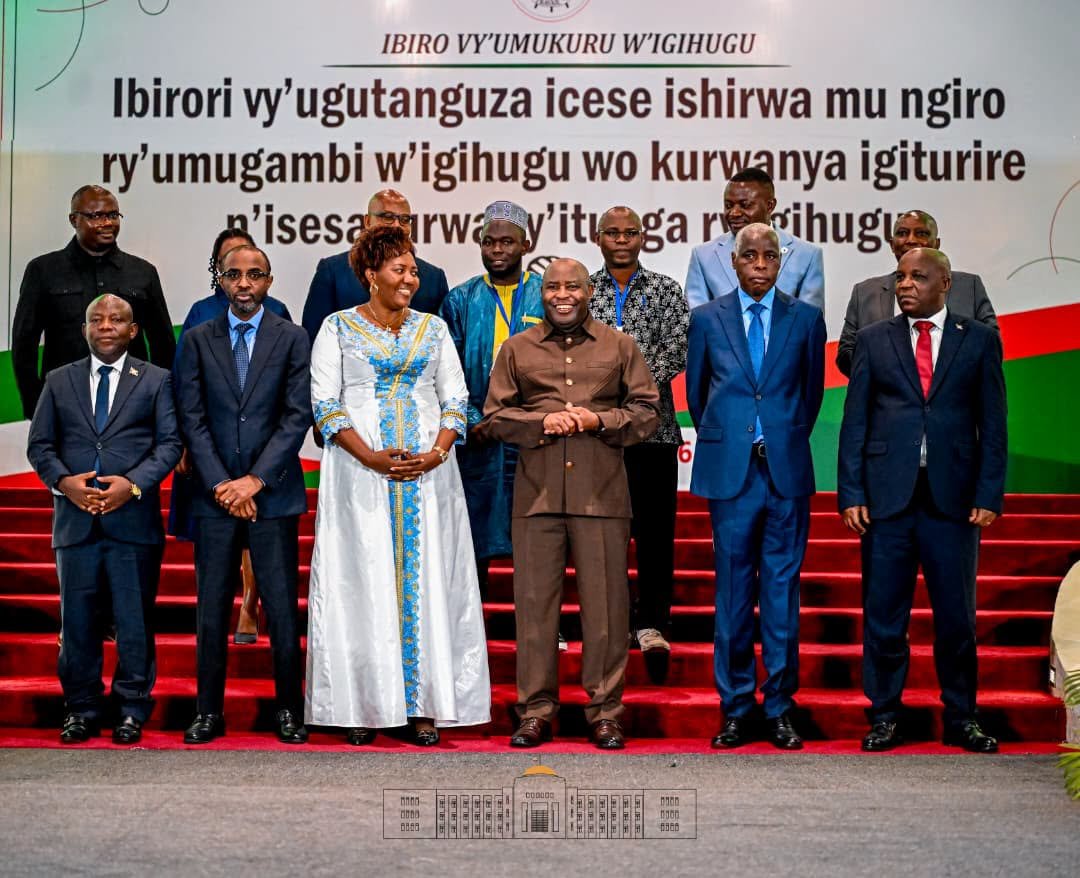
Civil society organisations in Burundi have questioned the composition and effectiveness of a committee established by President Évariste Ndayishimiye to oversee the country’s national strategy against corruption and economic malpractice, warning that its structure could create conflicts of interest.
The organisations said the committee, which includes the president, the prime minister, several government ministers and the prosecutor general, lacked independent oversight because many of its members are also responsible for implementing the policies it is supposed to monitor.
The national strategy was adopted by the Council of Ministers on Jan. 7, 2026, and its implementation was officially launched by Ndayishimiye late last week.
PARCEM, a civil society organisation focused on governance and economic development, said the strategy should first be made publicly available so that its objectives and measures could be widely understood.
“If a strategy has been adopted, it must be set out in a proper document that is widely disseminated. Where is the document?” asked Faustin Ndikumana, PARCEM’s national director.
He said efforts to combat corruption must be grounded in the law.
Ndikumana also questioned the committee’s composition, arguing that officials responsible for implementing the anti-corruption policy should not simultaneously be tasked with evaluating its performance.
“You cannot implement a project and evaluate yourself at the same time. That is not how it is done,” he said, warning that the arrangement could create conflicts of interest.
For the committee to be effective, he said, it should include a significant number of representatives from outside the state, alongside public institutions capable of providing independent oversight.
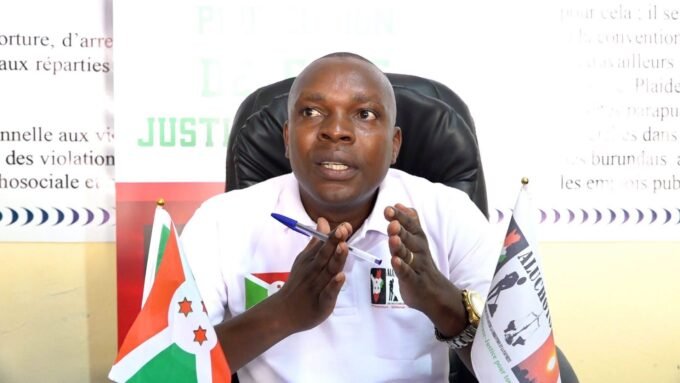
The Association for the Fight Against Unemployment and Torture (ALUCHOTO) also criticised the committee’s composition and questioned how it would ensure accountability.
“The head of state is the supreme judge and commander-in-chief of the security forces, and several other members of the government are also on the committee. Who will produce the report, and to whom will it be submitted, when the president himself chairs the committee?” asked Vianney Ndayisaba, ALUCHOTO’s national coordinator.
The Observatory for the Fight Against Corruption and Economic Malpractice (OLUCOME) said the strategy could yield results if properly implemented.
“Everything should be addressed,” said Gabriel Rufyiri, the organisation’s president.
But Rufyiri questioned what would distinguish the latest initiative from previous efforts, noting that it was the country’s third national anti-corruption strategy.
“We have already had a first strategy, then a second, and now a third. What is the new methodology for fighting corruption and dismantling the small groups of people seeking to appropriate the country’s wealth?” he asked.
The organisations said little had been done so far to implement the strategy, raising doubts about whether the new committee would translate the government’s commitments into concrete action.
Burundi has faced persistent concerns over corruption and economic governance, with allegations of malpractice affecting key sectors of public life and the economy. Corruption and limited transparency have also been cited as obstacles to improving the business environment and attracting investment.
In Transparency International’s 2025 Corruption Perceptions Index, Burundi ranked 167th out of 182 countries, with a score of 17 out of 100, according to the organisation’s published results.
The new strategy faces the challenge of demonstrating that it can deliver results where previous initiatives have fallen short. Its progress is likely to be measured by the implementation of concrete measures, the independence of oversight and whether investigations into corruption lead to meaningful accountability.