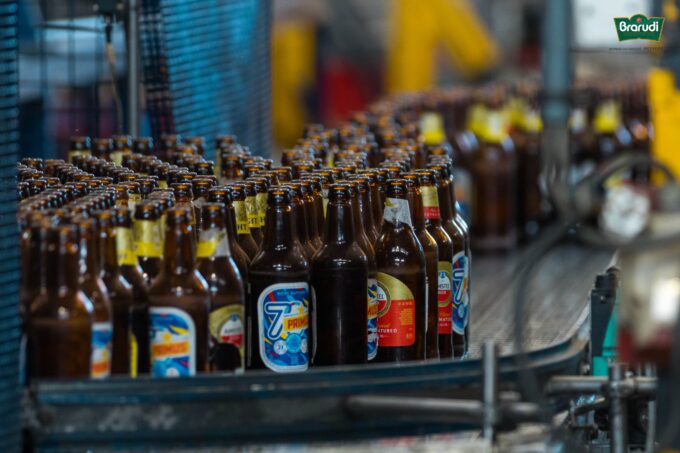


Burundi government has suspended, with immediate effect, the production and sale of locally manufactured strong alcoholic beverages, fortified wines, alcoholic mixed drinks and liqueurs nationwide as it moves to reorganize and tighten oversight of the country’s alcohol industry.
The measure was announced Saturday by Trade and Industry Minister Hassan Kibeya in a press statement. According to the ministry, the suspension is part of a broader reform aimed at restructuring local industries involved in the production of high-alcohol beverages and strengthening controls over their activities.
“With the objective of regulating alcoholic beverage production units and protecting consumers, the ministry informs all industrial operators producing strong alcoholic beverages, as well as the general public, that all industries producing strong alcoholic beverages and those with high ethanol content — known as fortified wines, alcoholic mixed drinks and liqueurs — are suspended,” Kibeya said in the statement.
Minister Kibeya said the decision followed what authorities described as a resurgence in the sale of alcoholic beverages that allegedly fail to comply with applicable standards or are being produced illegally.
The government also cited concerns about excessive consumption and its potential consequences for consumers’ health.
The ministry said the suspension is intended to bring greater transparency to the production and marketing of alcoholic products, while establishing stronger controls over manufacturers and protecting consumers.
Products ordered off the market
The government has ordered an immediate halt to the commercialization of the affected products. Existing stocks of fortified wines, alcoholic mixed drinks and liqueurs are to be withdrawn from circulation throughout the country.
The decision applies to all manufacturers operating in the sector, with no individual industry excluded from the suspension.
Manufacturers wishing to resume production have been instructed to submit applications for the issuance or renewal of production authorizations in accordance with existing regulations.
Traders raise concerns over existing stocks
The announcement has caused concern among some traders who say they were already holding substantial stocks of the affected beverages when the suspension took effect.
Jerôme, a bar owner in Kinama, northern Bujumbura, said traders were unclear about what should happen to products already in their possession.
“I don’t know what will happen next, and I don’t see where we are supposed to put the drinks we already have in stock.”
He said some of the products he sells, including the locally produced Niko brand, had been manufactured in Burundi and were known to the authorities.
A shopkeeper in Bubanza, Western part of Burundi, said he had already stopped selling the beverages because of previous pressure from local authorities. He warned, however, that traders who still have stocks could suffer significant financial losses if no arrangements are made for them.
Decision follows months of enforcement campaigns
The suspension comes after months of government and local-administration campaigns targeting the consumption and sale of highly alcoholic beverages.
Authorities across the country have previously taken measures against traders selling certain high-alcohol products, citing concerns over their effects on public health.
Some retailers have reportedly continued selling the beverages discreetly to avoid enforcement measures.
The latest directive gives local authorities and security forces responsibility for ensuring strict compliance with the suspension.
Questions over existing approvals
The government’s decision also raises questions about the regulatory status of some of the affected beverages.
Some products manufactured by the industries concerned had previously been approved by the Burundi Bureau of Standards and Quality Control (BBN).
The BBN’s leadership came under scrutiny earlier this year after the president of Burundi’s National Assembly accused officials at the standards body of acting in their own interests in relation to the regulation of locally produced alcoholic beverages. BBN officials rejected those allegations.
The apparent shift from the previous regulatory framework to an immediate suspension has therefore left questions about how existing approvals will be handled under the government’s new approach.
Potential economic impact
The suspension could have significant economic consequences for businesses involved in the production, wholesale and retail distribution of the affected beverages.
The products had been widely available in shops, bars and other outlets across the country, meaning the measure could affect thousands of traders and operators.
The impact could extend beyond manufacturers to wholesalers and small retailers that purchased stocks before the announcement.
At the time of publication, the owners of the affected beverage-producing industries had not publicly responded to the government’s decision.