
The International Monetary Fund (IMF) and economists are urging the Burundian government to unify the country’s official and parallel market exchange rates, warning that the current dual-rate system is fuelling inflation, discouraging investment and prolonging Burundi’s economic crisis.
The Bank of the Republic of Burundi (BRB) says it has begun implementing reforms under its 2025–2027 macroeconomic stabilisation strategy. While the central bank maintains that these measures are already producing positive results, economists argue that the wide gap between the official and black market exchange rates continues to distort the economy and undermine monetary policy.
Burundi has grappled with a severe shortage of foreign currency for nearly a decade. Although foreign exchange remains scarce through official channels, it is readily available on the parallel market at significantly higher prices. The shortage has contributed to rising inflation and recurring shortages of essential goods, including fuel and imported medicines.
The country’s fuel crisis illustrates the problem. Petrol is officially priced at 4,000 Burundian francs (BIF) per litre, but fuel sold through informal channels commands far higher prices, reflecting the cost of obtaining foreign currency outside the banking system. The lack of official foreign exchange has also affected the healthcare sector, with some public health facilities struggling to secure imported medicines.
Imported food prices have likewise continued to climb as businesses source foreign currency on the parallel market and pass the additional costs on to consumers.
Economists warn of deep structural imbalance
Economist Diomède Ninteretse says Burundi has effectively been operating with two different economic realities for years. He argues that the coexistence of an official exchange rate and a much weaker parallel market rate is not merely a currency issue but evidence of a deeper economic imbalance, with demand for foreign currency far exceeding available supply.
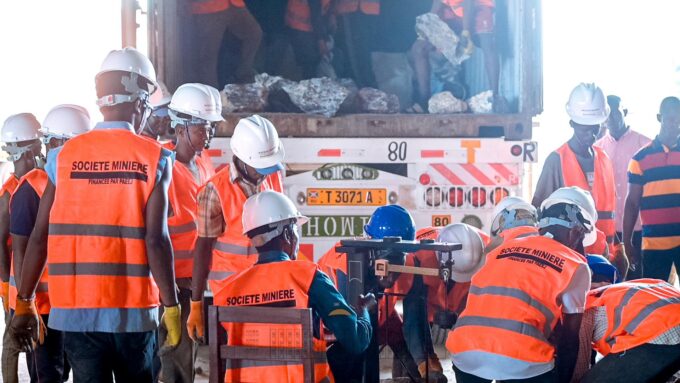
According to Ninteretse, Burundi’s foreign exchange earnings remain limited, relying mainly on exports of minerals, avocados, coffee and tea, which are insufficient to meet the country’s import needs. As long as foreign currency demand continues to outstrip supply, he says, the imbalance will persist.
Ninteretse also criticises the central bank for maintaining an official exchange rate that differs sharply from market realities. He argues that the discrepancy discourages foreign investment, encourages informal financial markets and weakens the effectiveness of monetary policy. He also calls for stronger economic governance, alleging that some businesses operating with the support of public officials benefit from the parallel market.
Official and black market rates remain far apart
At the time of writing, the disparity between the two exchange rates remains substantial. The official exchange rate values the US dollar at approximately 2,975.53 BIF for buying and 3,023.53 BIF for selling. On the parallel market, however, one US dollar sells for around 6,200 BIF.
The official exchange rate for the euro stands at approximately 3,381.30 BIF for buying and 3,435.84 BIF for selling, compared with around 6,700 BIF on the black market. Economists argue that this gap creates significant distortions across the economy by making foreign currency at the official rate largely inaccessible to many businesses.
IMF calls for exchange rate reform
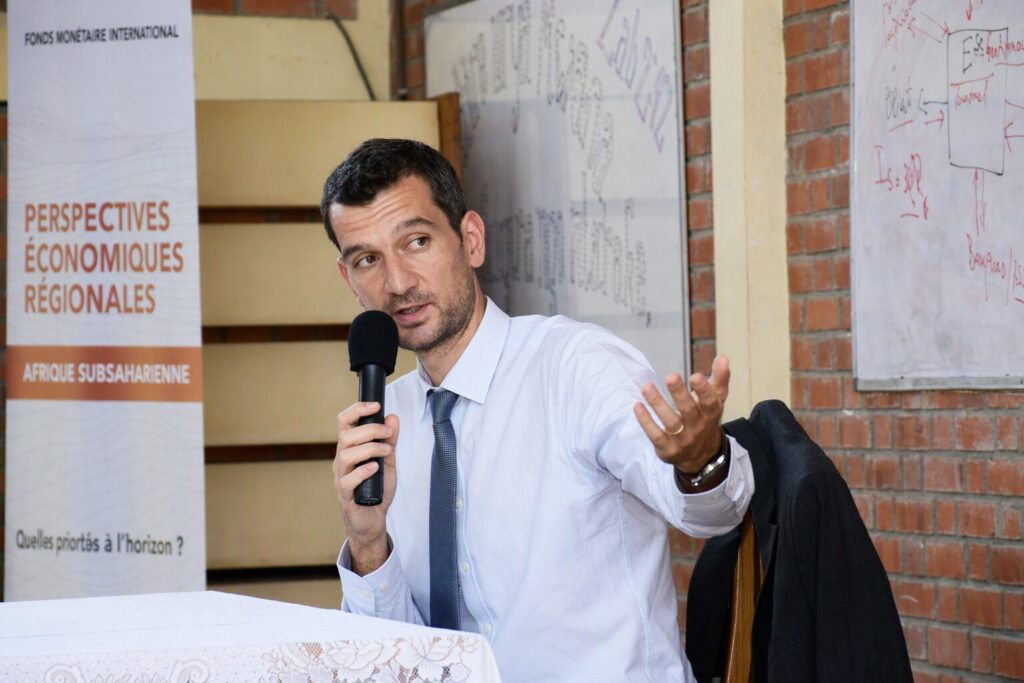
Speaking shortly before completing his assignment in Burundi, IMF Resident Representative Samuel Delepierre renewed calls for comprehensive exchange rate reform in an interview with public business newspaper Burundi Eco, later reported by online outlet Iris News.
Delepierre described exchange rate unification as the single reform most capable of changing Burundi’s economic trajectory.
He argued that unifying the exchange rate, increasing exchange rate flexibility and gradually liberalising the foreign exchange market would reduce economic distortions and improve access to foreign currency through official channels.
Without reform, he warned, Burundi risks remaining trapped in a cycle of low economic growth, high inflation, limited investor confidence and continued economic underperformance relative to its East African Community neighbours.
Delepierre also stressed that successful reform would require strong political leadership, clear public communication and a long-term policy vision.
PARCEM backs reform agenda
The Burundian civil society organisation PARCEM has echoed the IMF’s recommendations, saying meaningful economic growth will not be possible while the country continues to operate with two exchange rates.
PARCEM’s national director, Faustin Ndikumana, argues that exporters are among the biggest losers because their foreign earnings are converted at the lower official rate even as production and export costs continue to rise. He also says foreign investors see the value of their investments reduced when converted into Burundian francs.
Ndikumana estimates that around 70 per cent of Burundi’s imports are financed through the parallel market, making it the country’s principal source of foreign exchange for importers. He argues that only a limited group of economic operators has access to official foreign currency allocations, creating what he describes as unfair competition and a form of crony capitalism. PARCEM is therefore calling for broad macroeconomic reforms to eliminate the gap between the official and parallel exchange rates.
Central bank says reforms are under way
The BRB acknowledges that reforms remain necessary. In a statement issued in May 2026, the central bank said reforms implemented under its macroeconomic stabilisation programme had already begun producing positive effects. It also welcomed IMF recommendations to continue reducing inflation, strengthen the financial sector, build foreign exchange reserves and improve the functioning of the foreign exchange market through carefully sequenced reforms.
Despite those assurances, economists and the IMF agree that unifying Burundi’s exchange rate system remains one of the country’s most urgent economic challenges. They argue that narrowing the gap between the official and parallel market rates will be essential to restoring investor confidence, improving access to foreign currency and placing Burundi on a more sustainable path towards economic growth.