
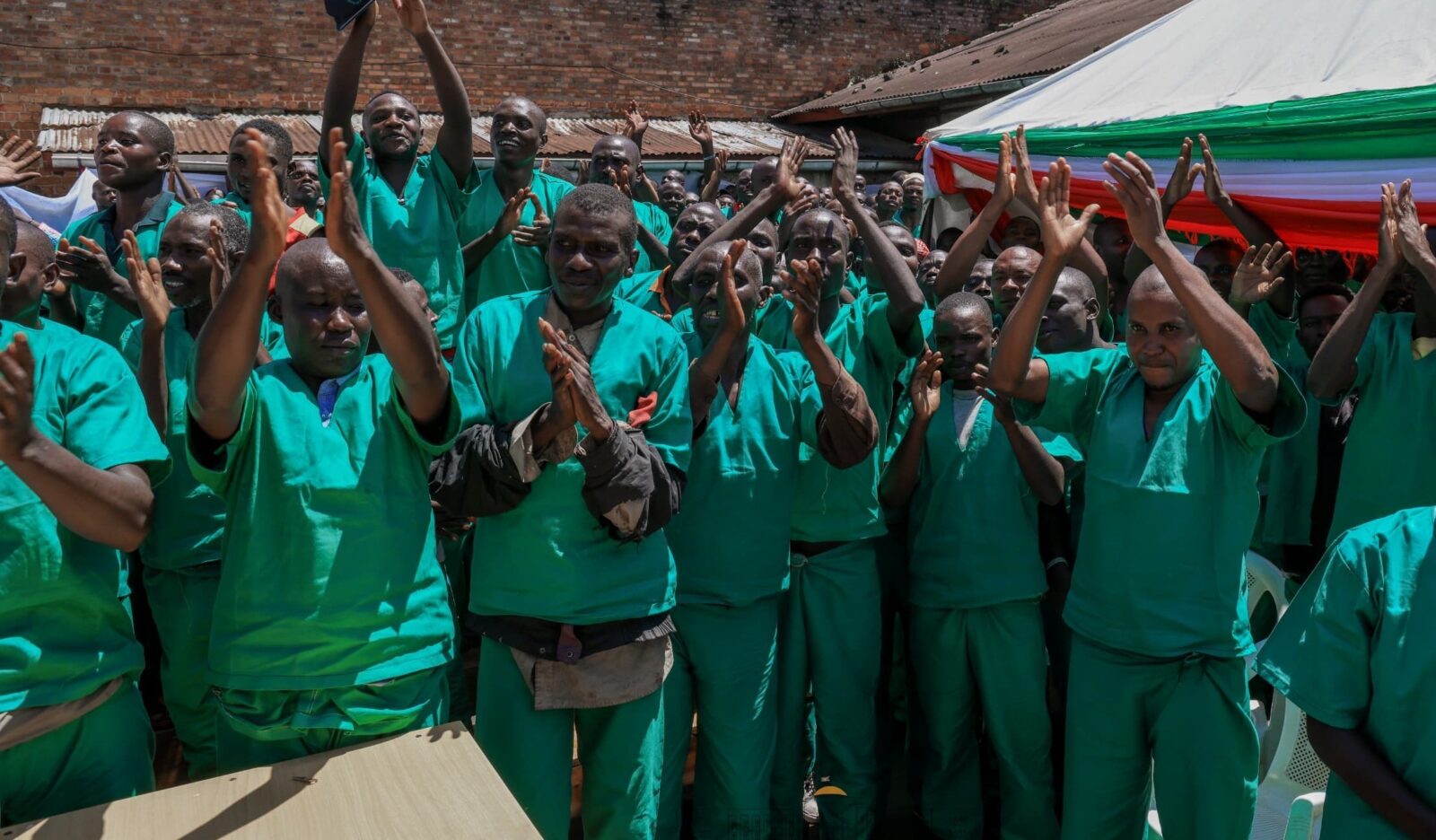
Burundi’s parliament and civil society organizations are intensifying pressure on the government over severe prison overcrowding, arbitrary detentions, and delays in implementing presidential pardons, as officials acknowledge that some detention facilities are operating at 300% of capacity.
Speaking before lawmakers on Wednesday, Justice Minister Alfred Ahingejeje admitted to serious shortcomings within the country’s judicial system but pledged that within two months, detainees who should already have been released would regain their freedom.
The crisis has reignited criticism from human rights groups and opposition figures, who argue that systemic judicial failures and political interference continue to fuel overcrowding in Burundi’s prisons.
Civil Society Denounces “Endless Cycle” of Imprisonment
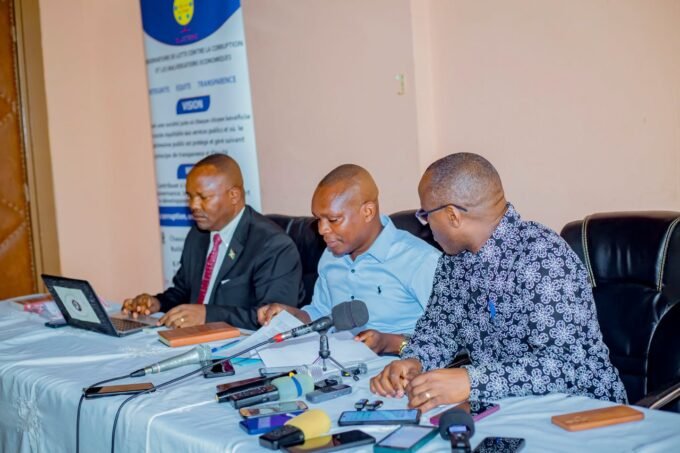
The prisoners’ rights organization Ntabariza says prison populations remain alarmingly high despite a presidential clemency initiative announced last year.
“It is a bitter reality when we see the number of prisoners still packed into detention facilities despite our repeated calls for measures to ease overcrowding,” said Jean-Marie Nshimirimana, president of the association.
According to Nshimirimana, releases are often offset by a much larger number of new arrests.
“Sometimes prosecutors release 100 prisoners only to imprison 200 more,” he said. “Or after granting conditional release to 70 detainees, another 400 people are sent to prison.”
The organization is urging the Ministry of Justice and the Office of the Prosecutor General to adopt stronger measures, including a general amnesty or the dropping of prosecutions for minor offenses.
Opposition Blames Arbitrary Arrests
The opposition party CODEBU — the Council for Democracy and Sustainable Development in Burundi — also condemned what it describes as arbitrary imprisonment and the continued detention of prisoners who have already completed their sentences.
Its president, Keffa Nibizi, said many detainees are either jailed for minor offenses or unlawfully kept behind bars after serving their time.
“Among the prisoners are people detained unjustly or for minor infractions,” Nibizi said. “Others have completed their sentences and still remain in prison.”
He called for the immediate release of pardoned detainees and proposed that prisoners who have served at least one-quarter of their sentences be considered for release.
Parliament Expresses Growing Frustration
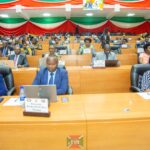
Members of Burundi’s parliament voiced similar concerns during a heated session Wednesday following the presentation of an audit report by the Court of Auditors on the management of the country’s prison system, particularly the prison in Bubanza.
The report revealed that Bubanza prison currently houses more than 400 detainees, despite having been designed in 1952 to accommodate only 200 inmates.
Lawmakers sharply criticized judicial authorities over cases of prolonged detention without trial and prisoners remaining incarcerated despite acquittals or completed sentences.
“There are people imprisoned unjustly, others who remain in detention after serving their sentence or even after being acquitted,” one lawmaker said during the debate. “Who bears responsibility for this? Has anyone been sanctioned?”
MP Emmanuel Ndorimana described the situation as “truly tragic,” noting that some detainees spend two or three years in prison without appearing before a judge.
Justice Minister Under Fire
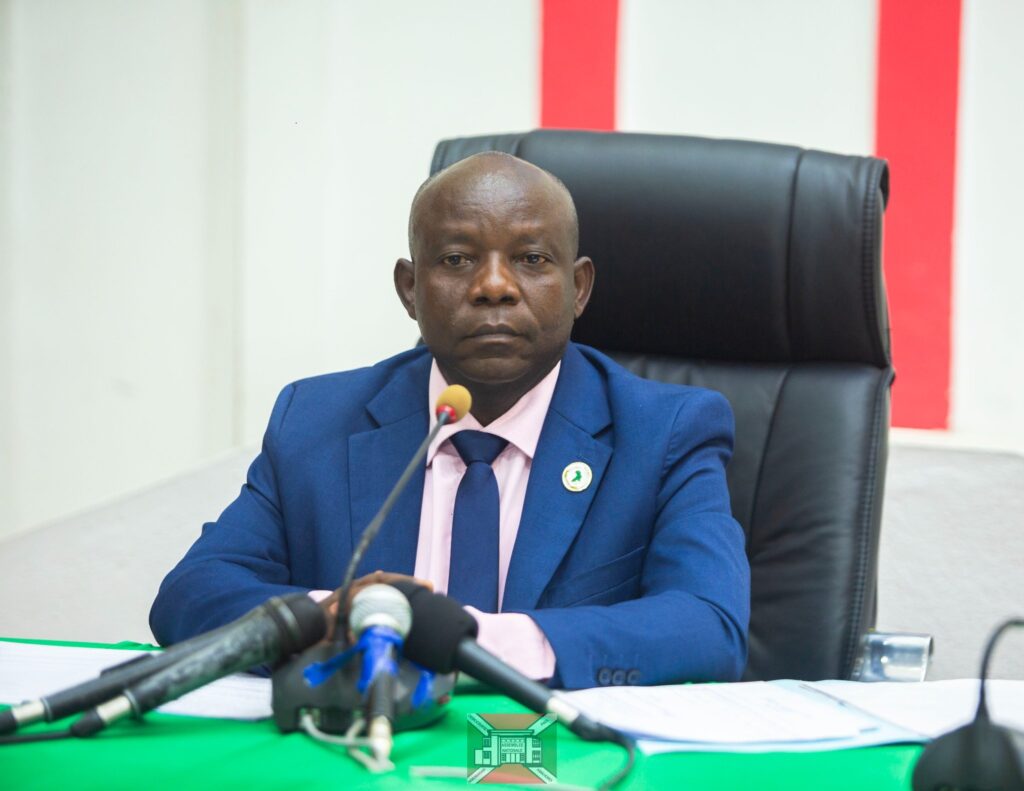
Minister Ahingejeje acknowledged that failures within the justice system are contributing to the crisis, blaming officials responsible for handling prisoner files.
“The major problem is that those who manage prisoners’ case files sometimes fail to take decisions to release detainees, even when they deserve to be freed,” he told parliament.
His explanation, however, failed to satisfy National Assembly Speaker Gélase Daniel Ndabirabe, who demanded accountability.
“That is completely unacceptable,” Ndabirabe responded sharply. “Who are the people refusing to make these decisions? Why are they not being identified?”
The parliamentary speaker went further, warning that he could ask President Évariste Ndayishimiye to authorize parliament to dismiss ministers unable to resolve problems within their departments.
“The same complaints emerge in every ministry — legal framework, administration, finances, procurement,” Ndabirabe said. “If ministers cannot explain what is happening in their ministries, then they should be removed before parliament.”
Prisons Holding Three Times Their Capacity
Human rights defenders estimate that Burundi’s 11 prisons currently hold more than 12,000 detainees, despite an official national prison capacity of approximately 4,000 inmates.
The overcrowding crisis persists even after President Ndayishimiye launched a nationwide prison decongestion campaign in November 2024. Under the initiative, 5,442 prisoners were expected to benefit from presidential clemency out of a total prison population of 13,211 detainees.
However, civil society organizations say the implementation of the program has been marred by irregularities and selective application. The controversy reportedly led to the dismissal of three magistrates by the president.
Allegations of Political Interference
The anti-torture organization ALUCHOTO has accused senior state officials of interfering in judicial proceedings and ordering the continued detention of individuals who were acquitted or pardoned.
“Several state officials interfere in judicial affairs and order that acquitted or pardoned individuals remain in detention,” said Vianney Ndayisaba, the organization’s national coordinator, speaking to local media on Friday.
Ndayisaba called on Burundi’s top leadership — including the president and parliamentary leaders — to intervene and protect judicial officials from political intimidation.
He urged authorities to convene judicial officials and encourage them to report individuals exerting pressure on the courts.