
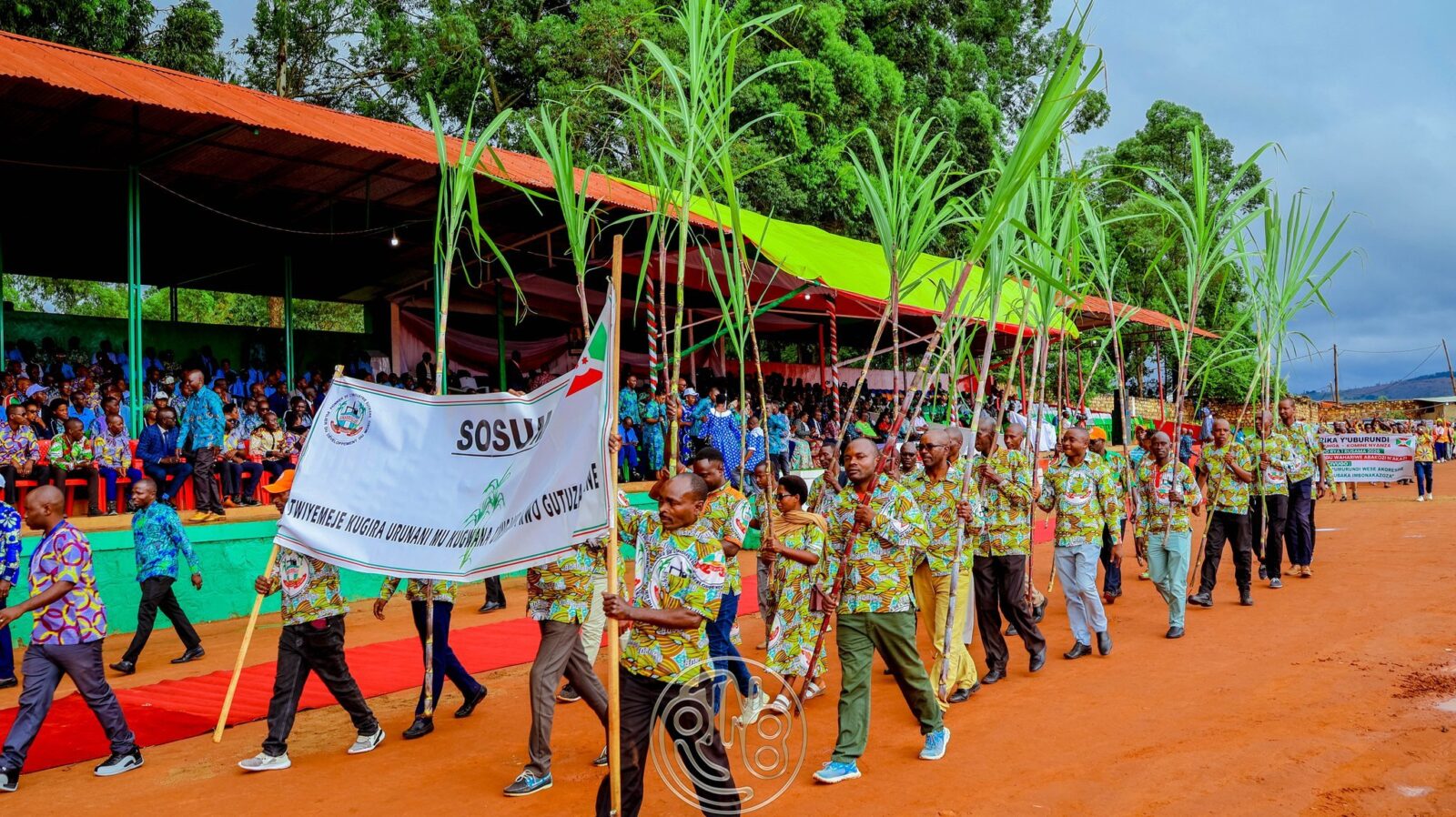
Burundi commemorated International Labor Day on Friday against a backdrop of mounting economic hardship, as trade unions, civil society organizations, and opposition parties voiced growing concern over the country’s deteriorating living conditions.
Speaking during official celebrations in Gitega, the political capital, Célestin Nsavyimana, head of the Confederation of Trade Unions of Burundi (COSYBU), warned that rising living costs, coupled with persistent shortages of fuel, water, and electricity, are severely affecting workers’ livelihoods.
“This situation is causing many households to be unable to afford basic needs such as food, housing, healthcare, education, and clothing,” Nsavyimana said. He noted that stagnant wages, combined with surging transportation costs driven by fuel shortages, have deepened frustration among workers, undermining productivity and workplace stability.
He further highlighted that limited access to water and electricity across several regions has disrupted economic activity and worsened living standards nationwide.
COSYBU urged the government to revise salary policies in line with inflation, address fuel shortages, and reduce the growing number of taxes and levies. The union also called for investment in social housing, fair allocation of public contracts, and the removal of transport restrictions imposed in 2021 on motorcycles, bicycles, and tuk-tuks in the economic capital, Bujumbura.
According to Nsavyimana, lifting these restrictions would ease transportation costs and help stabilize prices of goods.
Opposition and Civil Society Raise Alarm
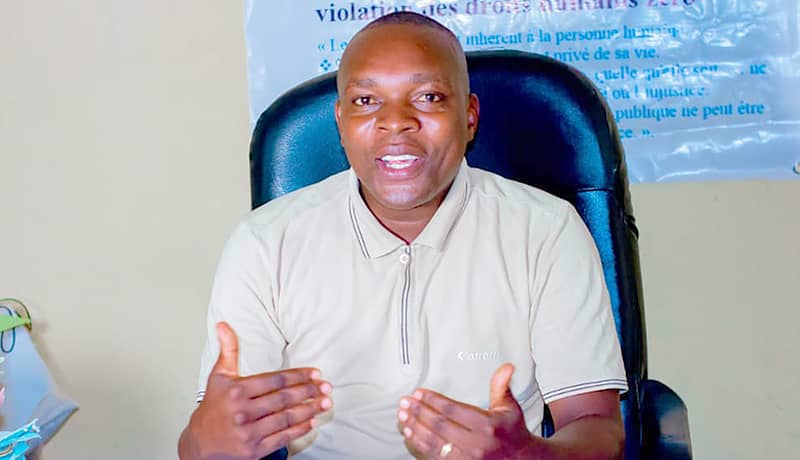
Opposition parties and civil society groups echoed these concerns. In separate statements, the Council for Democracy and Development in Burundi (CODEBU) and the Association for the Fight Against Unemployment and Torture (ALUCHOTO) denounced rising unemployment—particularly among youth—and widespread corruption in hiring practices.
Vianney Ndayisaba, ALUCHOTO’s national coordinator, condemned recruitment systems based on favoritism, political affiliation, or personal connections. “This is a difficult day for those without jobs, who are living in very poor conditions,” he said, urging authorities to take immediate corrective measures.
CODEBU also expressed concern over the treatment of Burundian migrant workers abroad, citing cases of arbitrary detention, unpaid labor, property confiscation, and even killings. The party called on the government to ensure legal protections for citizens seeking employment overseas.
Government Pushback
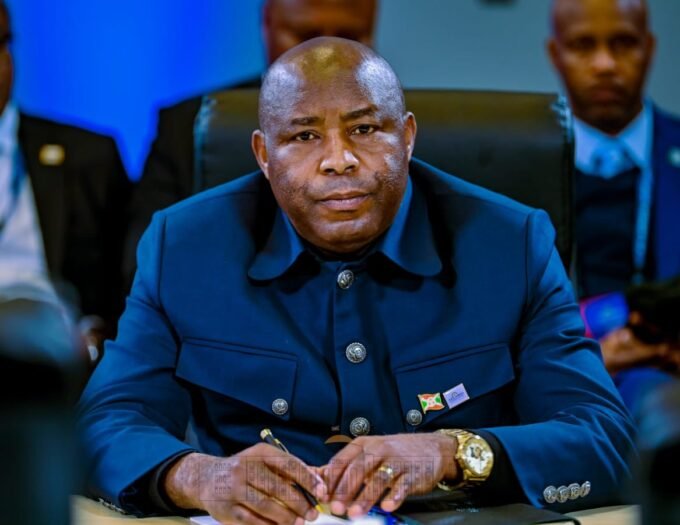
In response, President Évariste Ndayishimiye acknowledged that public sector wages are low but criticized workers for demanding increases without considering the country’s limited financial resources.
“Life has always been expensive. Before money is available, work must come first,” he said, arguing that many public servants fail to understand the origins of government funding. He compared such demands to children asking their father for food without recognizing the family’s financial constraints.
The president urged citizens to turn to agriculture as an alternative source of income and emphasized the need to boost production and exports to address shortages of fuel and foreign currency.
Ndayishimiye also criticized state-owned enterprises—including those in the tea, sugar, and coffee sectors—for inefficiency and alleged corruption, accusing them of failing to contribute revenue to the national treasury.
“Wherever the state has investments, it has become a place only for consumption rather than production,” he said.
Economic Challenges Persist
Burundi, one of the world’s poorest countries, has faced sustained economic difficulties over the past five years. These challenges have driven many workers to seek opportunities abroad, often under difficult conditions.
While the government maintains that infrastructure development—particularly in rural electrification and water access—has improved, critics argue that such progress has not translated into better living standards for most citizens.
Despite the tensions, President Ndayishimiye announced plans to convene an inclusive national dialogue to address workers’ concerns and explore solutions.
“I am preparing a day when we will put these issues on the table and listen to proposed solutions,” he said. “Those responsible must also be part of solving them.”