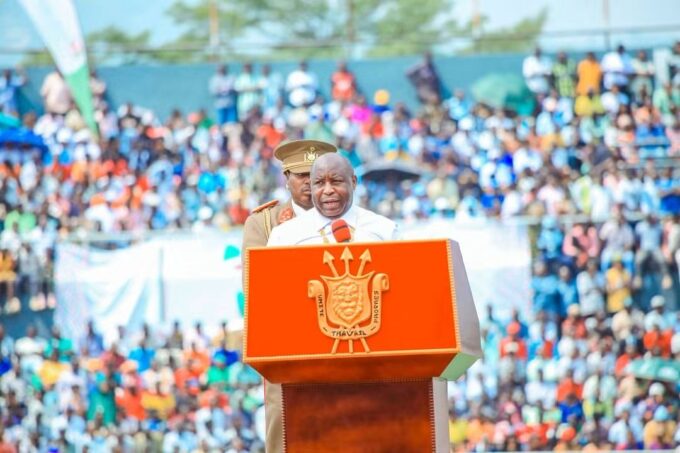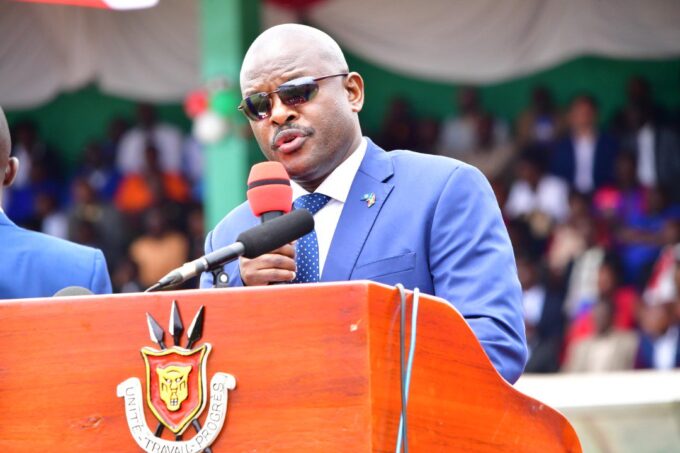

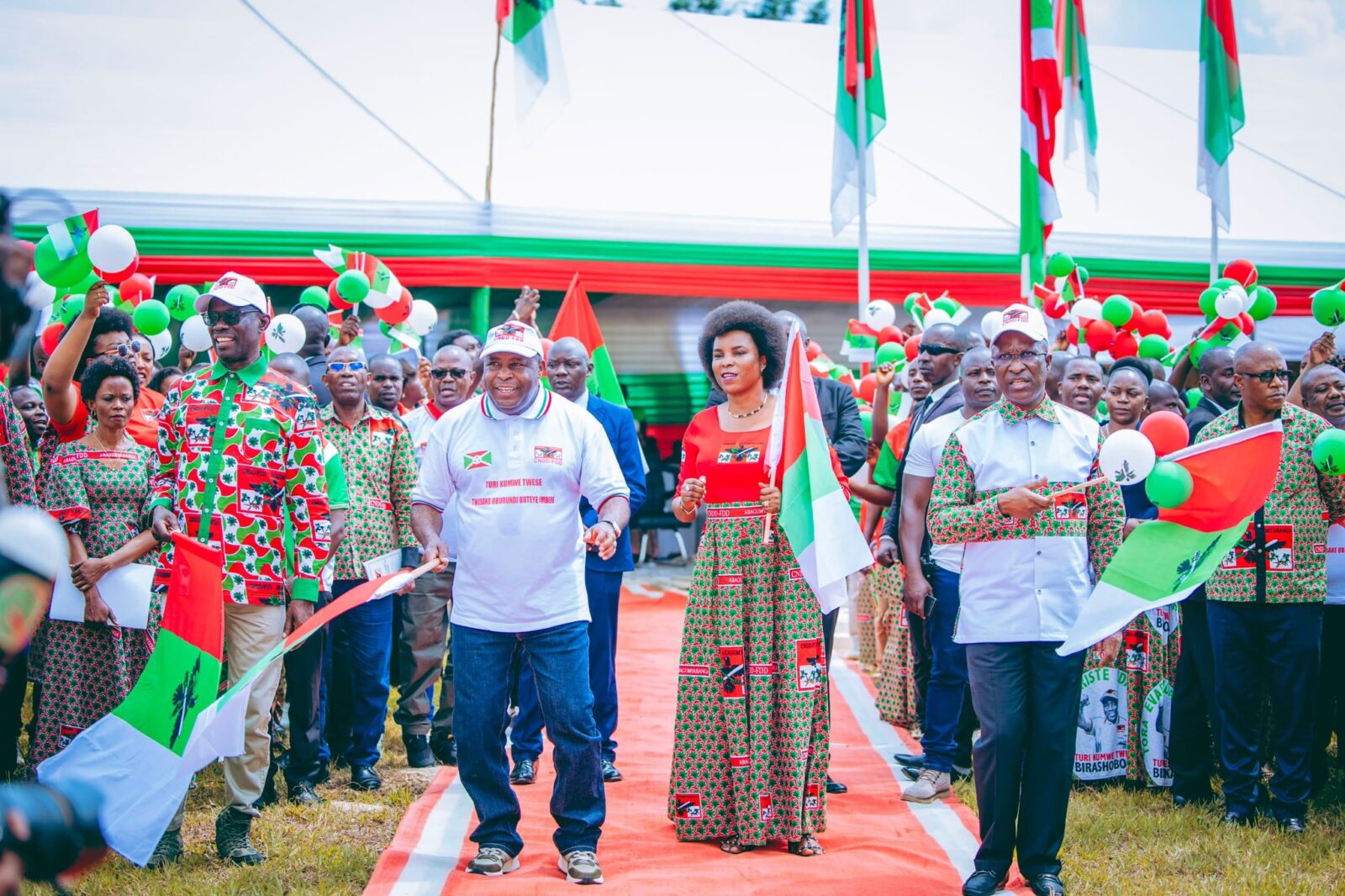
Burundian civil society organization PARCEM issued a comprehensive statement this week highlighting the country’s economic stagnation, institutional paralysis, and concentration of political power, as the ruling party CNDD-FDD holds national congress on Sunday.
Faustin Ndikumana, the organization’s director described a bleak economic reality for ordinary Burundians. Prices of essential goods remain high, fuel is scarce, and access to basic commodities is limited. “People spend hours in queues, sometimes waiting days for fuel. The state must intervene,” he said.
Foreign exchange shortages, poor infrastructure, and limited opportunities for youth exacerbate competition and social pressure, while government mismanagement slows development projects, including markets in Kayanza, the stalled Bugendana airport, and unfinished special economic zones.
PARCEM warned that unpredictable taxation and unclear budget execution discourage entrepreneurship and investment. “Parliamentary commissions and institutions such as the Court of Accounts must investigate and ensure accountability. Without them, corruption and favoritism persist,” he said.
The statement emphasized pervasive corruption and institutional paralysis. From misappropriation of public funds to opaque administration of special economic zones, Ndikumana highlighted the failure of laws and oversight mechanisms designed to enforce transparency. “Justice must investigate and prosecute violations. Institutional dysfunction allows mismanagement to continue unpunished,” he said.
Leadership accountability was another key focus. Ndikumana urged the president, prime minister, and ministers to act decisively. “Leadership cannot indefinitely delegate responsibility. Officials must protect public interests, enforce laws, and ensure projects are executed effectively. Inaction erodes public trust and national development,” he warned.
Political Power and the Burden of Responsibility
Regional diplomacy and security also featured prominently. Ndikumana recalled historical interactions between Burundi, Rwanda, and the Democratic Republic of Congo, emphasizing the importance of dialogue to prevent conflicts. “Our region shows that tensions can be managed peacefully. War is unnecessary when mechanisms for resolution exist,” he said.
Ahead of the CNDD-FDD congress, Ndikumana called for self-reflection within the ruling party. He described the current economic situation as stagflation—a combination of stagnation and inflation—marked by high prices, unemployment, and declining purchasing power. “Burundi faces severe economic and social challenges. It is time for those in power to take bold action,” he said in a statement.
He traced Burundi’s post-conflict trajectory, noting initial post-2010 stabilization followed by worsening conditions from 2020 to 2025. Failure to address these challenges, he warned, risks eroding public confidence. Ndikumana urged the ruling party to recognize that monopoly of power entails responsibility. “Winning elections or occupying positions does not mean owning the country; it means serving it. Governance is about action, accountability, and citizen service,” he said.
Ndikumana proposed liberalizing imports and exports, particularly in the fuel sector, to increase foreign exchange inflows and strengthen the economy. He also called for transparent budgeting, disciplined public spending, and proper project execution to prevent waste and inefficiency.
He emphasized that functional institutions and capable leadership at all levels are indispensable for Burundi’s stability and progress. From audits of public funds to enforcement of anti-corruption laws, independent mechanisms must operate effectively. “If officials fail to act, no one else will. Citizen welfare depends on decisive leadership,” he stressed.
On public health, PARCEM warned that malnutrition, cholera outbreaks, and insufficient access to clean water continue to threaten the population, especially youth. Economic mismanagement and infrastructure gaps, he noted, exacerbate these problems, limiting national development and social cohesion.
The organization stresses that political dominance must be coupled with responsible governance, economic reform, and institutional strengthening. “It is time to turn the page of history. Governance is about action, accountability, and service to citizens. The future of Burundi depends on decisions made today,” according to Ndikumana.