
Burundi’s ruling party, the CNDD-FDD, has warned that the country could take further measures if the U.S.-brokered peace agreements signed in 2025 between the Democratic Republic of Congo (DRC) and Rwanda fail to hold, amid escalating insecurity in eastern DRC.
The warning follows the capture of the strategic city of Uvira in South Kivu province by AFC/M23, a Rwanda-backed rebel movement, shortly after the signing of a peace deal between Kigali and Kinshasa under U.S. President Donald Trump in late December. The group later withdrew following pressure from Washington, which condemned the move and warned of possible sanctions against Kigali.
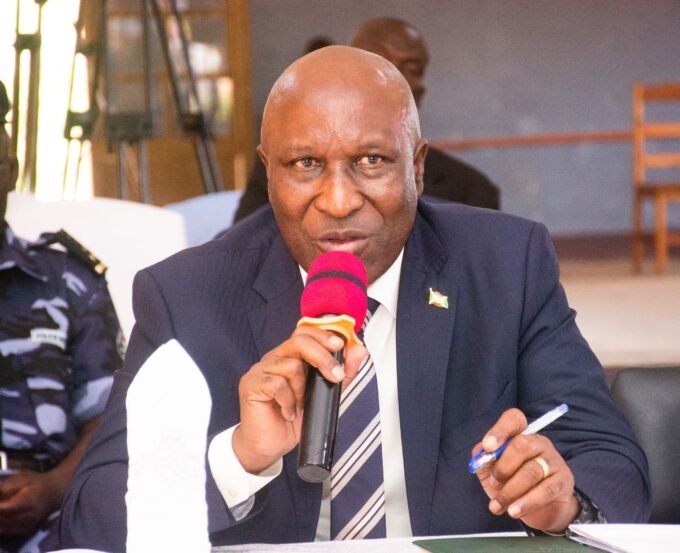
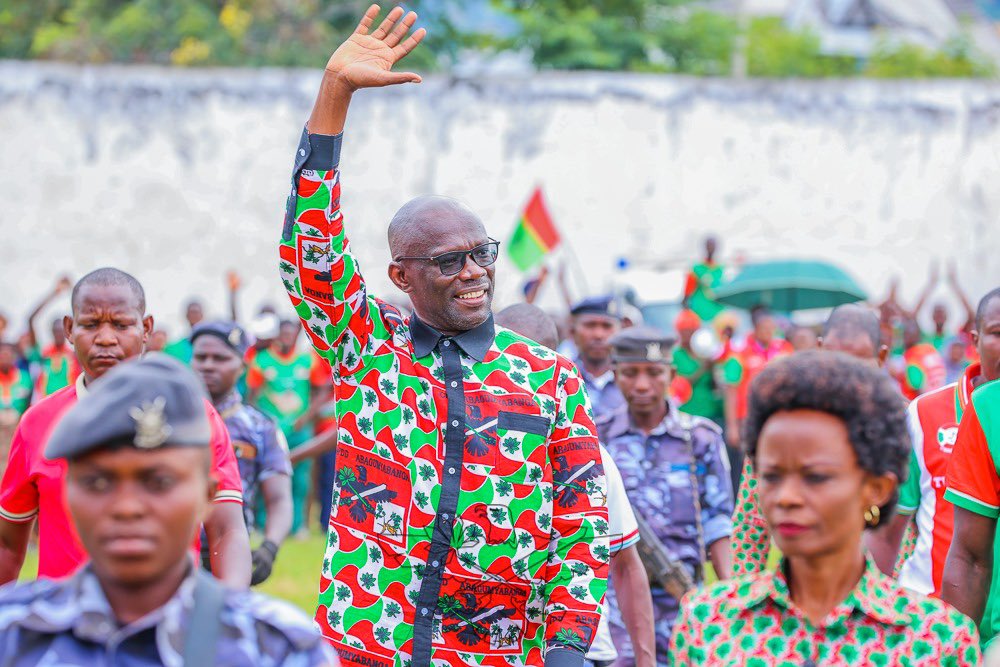
Speaking at a press conference on Friday in Burundi’s economic capital Bujumbura, CNDD-FDD Secretary General Révérien Ndikuriyo dismissed claims that Burundi had withdrawn its troops from the DRC following renewed fighting in South Kivu, clarifying that only specific units were redeployed to prevent Burundi from being implicated in alleged violations of the Washington Peace Agreements.
“Burundi is vigilant and has proper intelligence,” Ndikuriyo said. “The withdrawal concerned only those who risked being trapped into violations. It does not mean the Burundian army has withdrawn from the DRC. There are agreements in place. At any time, we can return—it is as if we are at home.”
Reports suggested that thousands of Burundian troops deployed in eastern DRC under a military memorandum temporarily pulled back during intense fighting, an episode some observers viewed as a setback shortly after the peace deal was signed. Ndikuriyo clarified that the redeployed soldiers had been stationed in Kamanyola and stressed that Burundi remains militarily prepared.
Ndikuriyo accused Rwanda of deliberately provoking attacks in order to portray Burundi as the aggressor.
“Rwanda launched attacks so that Burundi could retaliate, then claim Burundians attacked first,” he said. “When things are hot, you keep them at bay.”
Border Security Amid Rising Regional Tensions
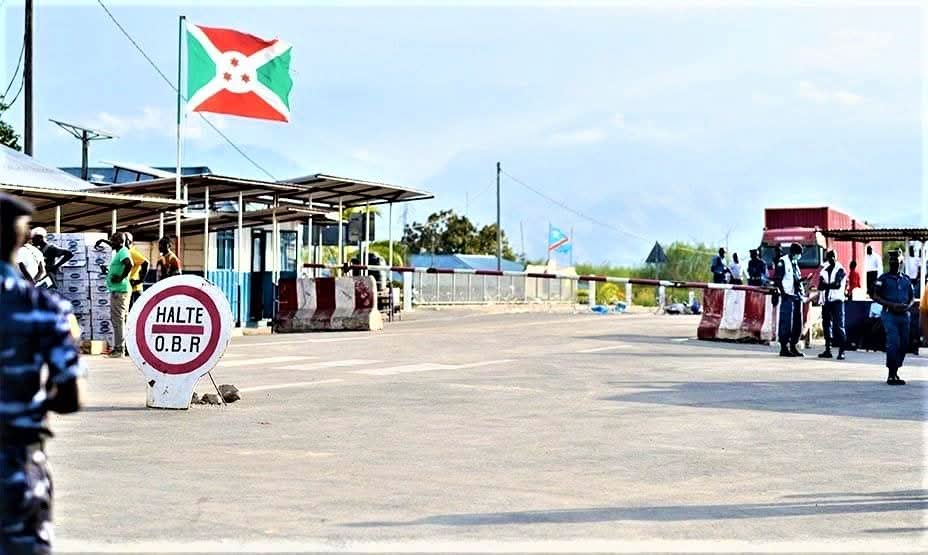
The tensions prompted the temporary closure of the Burundi–DRC border, especially at the Uvira crossing, amid fears of attacks by Rwanda-backed rebels
“If you want to go to Uvira, take a plane from Bujumbura and fly over Lake Tanganyika. The country is being protected by all possible means,” he said.
Uvira, a key border town on the eastern shore of Lake Tanganyika, lies about 200 kilometers southeast of Bujumbura.
Ndikuriyo stressed that Burundi expects Washington to uphold its responsibility in enforcing the peace agreements.
“Burundi is not a problem to the world,” he warned. “However, if matters reach a critical stage, responses will follow. Other measures could be taken. If the U.S. acknowledges failure, then things will become clearer.”
He did not specify what alternative measures Burundi might consider.
Resignation as Senator
Ndikuriyo also addressed his recent resignation as a senator, which fueled speculation after the Constitutional Court declared his seat vacant in December 2025 without providing an explanation.
He framed the decision as part of leadership renewal and power-sharing within the ruling party.
“I have spent 20 years in Parliament,” he said. “I was elected senator in 2005, 2010, and again in 2020. In 2015, I became President of the Senate. Am I the only one in the country? Are there no others?”
He added that leadership positions should not be monopolized and cited age and health limitations.
“There are people capable of sitting in Parliament from 9 a.m. to 10 p.m. Ndikuriyo is not capable of that anymore,” he said.
His resignation comes as the CNDD-FDD prepares for a party congress scheduled for January 25, which will elect new leaders and mark the end of his five-year term as party president.
Finance Ministry–FOMI dispute
The leader of the ruling party also weighed in on the dispute between Finance Minister Alain Ndikumana and FOMI, a private fertilizer manufacturer contracted by the state.
The finance minister recently raised security concerns after accusing FOMI of exceeding agreed supply quotas and charging the government and citizens billions of Burundian francs in additional costs—allegations he said exposed him to threats.
Ndikuriyo said he was not fully aware of the security claims but questioned their credibility.
“If someone is threatened and needs police protection, we will provide it—but he already has police,” Ndikuriyo said. “If you say you are threatened while you already have police, do you want angels from heaven to protect you?”
FOMI, in a statement issued Tuesday, denied the allegations, saying it maintains a positive working relationship with the government and that increased fertilizer demand followed President Évariste Ndayishimiye’s call for citizens to embrace agriculture.
Backing the company, Ndikuriyo emphasized that FOMI is a private entity operating under contractual obligations.
“FOMI is not a state institution,” he said. “It is awarded contracts like any other company. Fertilizer issues should be addressed to the Ministry of Agriculture and Livestock.”
He added that supply volumes depend on advance payments made by farmers and that all deliveries are verified through reception committees and documentation.