
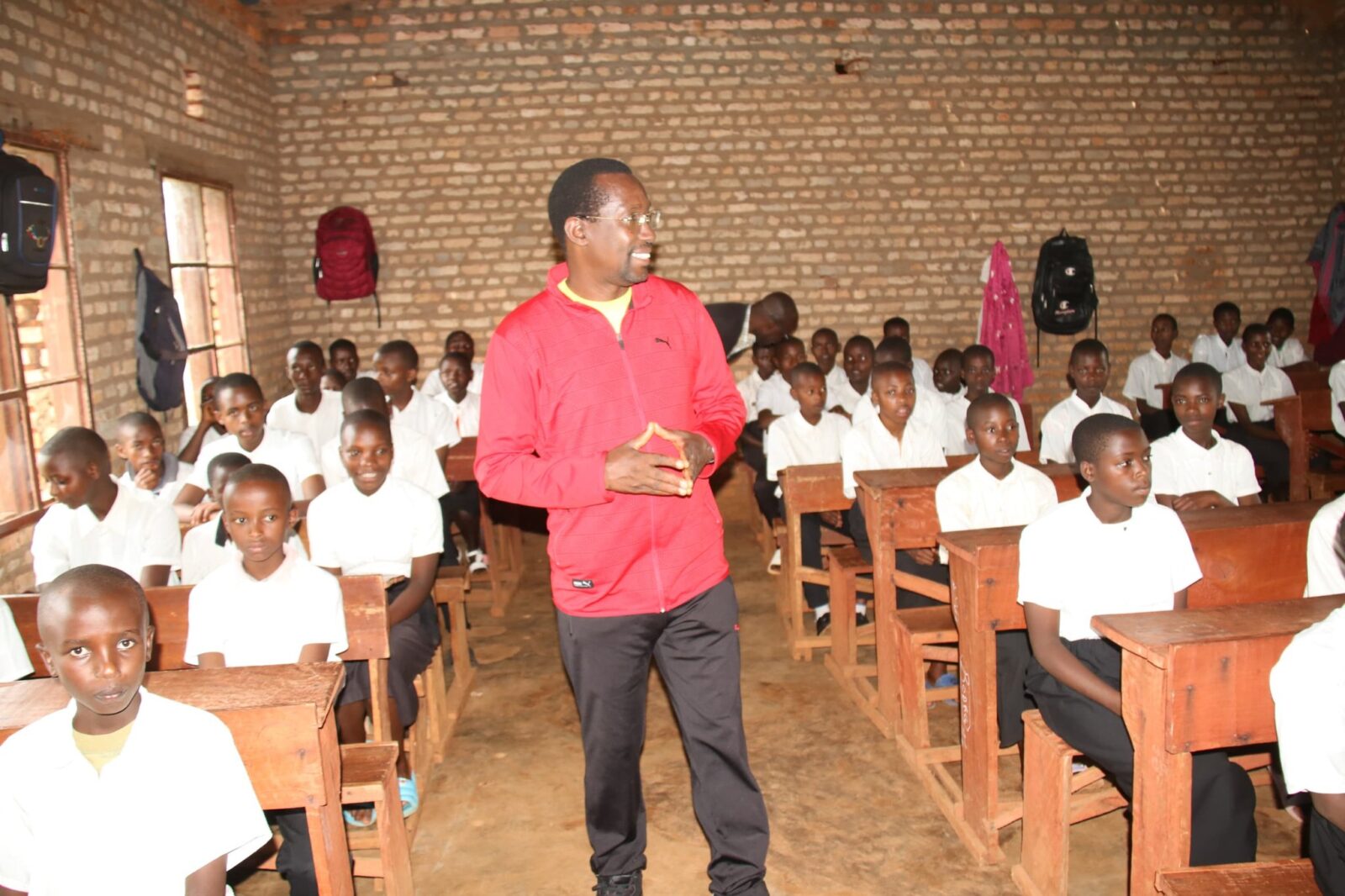
Burundi’s education sector is facing an unprecedented wave of teacher resignations, with close to 1,800 educators leaving their posts in less than six months. For the first time, the Minister of Education, François Havyarimana, has publicly admitted that the scale of departures is alarming, confirming long-standing concerns raised by education stakeholders across the country.
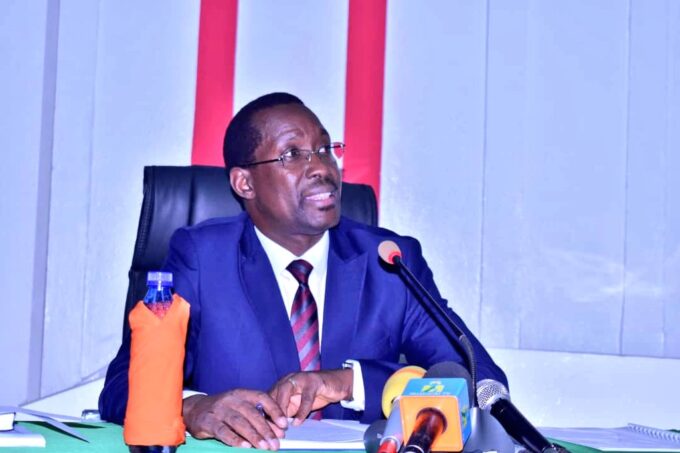
Speaking on Thursday through public media together with other education stakeholders, the minister said that while teacher turnover is not new, the current pace of resignations is unusually high. He explained that teachers have always left their jobs and were normally replaced once official reports were received. However, he noted that the number of those leaving in recent months is exceptionally large.
“When we look at the pace at which they are resigning these days, we see that it is extremely high. When we ask them why they are leaving, they tell us that their salaries are no longer sufficient,” said.
According to figures released by the ministry, close to 1,800 teachers from primary and secondary schools resigned between August 2025 and January 2026. Out of that number, 678 left specifically to seek employment abroad. The minister described the figures as significant and acknowledged that the main reason teachers give for resigning is inadequate pay.
He admitted that many teachers say their salaries are no longer sufficient to meet their needs. While recognizing the legitimacy of their concerns, he explained that the government is bound by a national wage alignment policy that seeks to standardize salaries across the public service. Increasing teachers’ salaries alone, he argued, would create imbalance among public servants.
The minister stated that raising wages depends on the country’s financial capacity. He emphasized that national resources belong to citizens and that any salary increase must be supported by improved national productivity and revenue. He called on teachers and other workers to continue carrying out their duties with dedication while the government works toward strengthening its economic base.
Beyond salary concerns, the minister pointed to growing international labor opportunities as another factor driving the exodus. He said that some countries have opened their labor markets to Burundians, allowing skilled professionals to seek better-paying jobs abroad. Teachers are reportedly attracted by the prospect of earning significantly more than they do at home.
“A teacher may say that if they go to such a country, they will earn more than what they used to receive here. That encourages them to leave because of the opportunities those countries have offered,” he said.
At the same time, he argued that the departure of some teachers creates employment opportunities for unemployed graduates within the country.
The crisis appears even more severe in public universities. The minister acknowledged that salaries in state universities are extremely low compared to other public institutions. In some cases, a teacher in basic education may earn more than a university employee holding a bachelor’s degree. He admitted that such disparities create frustration and imbalance within the system.
Statistics from the ministry show a sharp rise in the number of university lecturers with doctoral degrees leaving their positions in recent years. Since 2020, a total of 47 PhD holders have resigned from public universities. The number has increased steadily, with departures rising sharply in 2024 and 2025, and additional resignations already recorded in the first two months of 2026.
The minister described this trend as a major loss for the country, noting the significant investment required to train an academic to that level. He assured university staff that the government is aware of the problem and that a national commission has already submitted a report proposing solutions.
“We want to encourage staff at the University of Burundi that their problem is known and is being examined,” according to him.
He expressed confidence that measures will be implemented soon, citing provisions in the current national budget that allocate resources to address salary concerns in public institutions with special legal status, including universities. However, he noted that legal frameworks governing how these funds will be applied must first be finalized.
Moïse Ndayiragije contributed reporting