

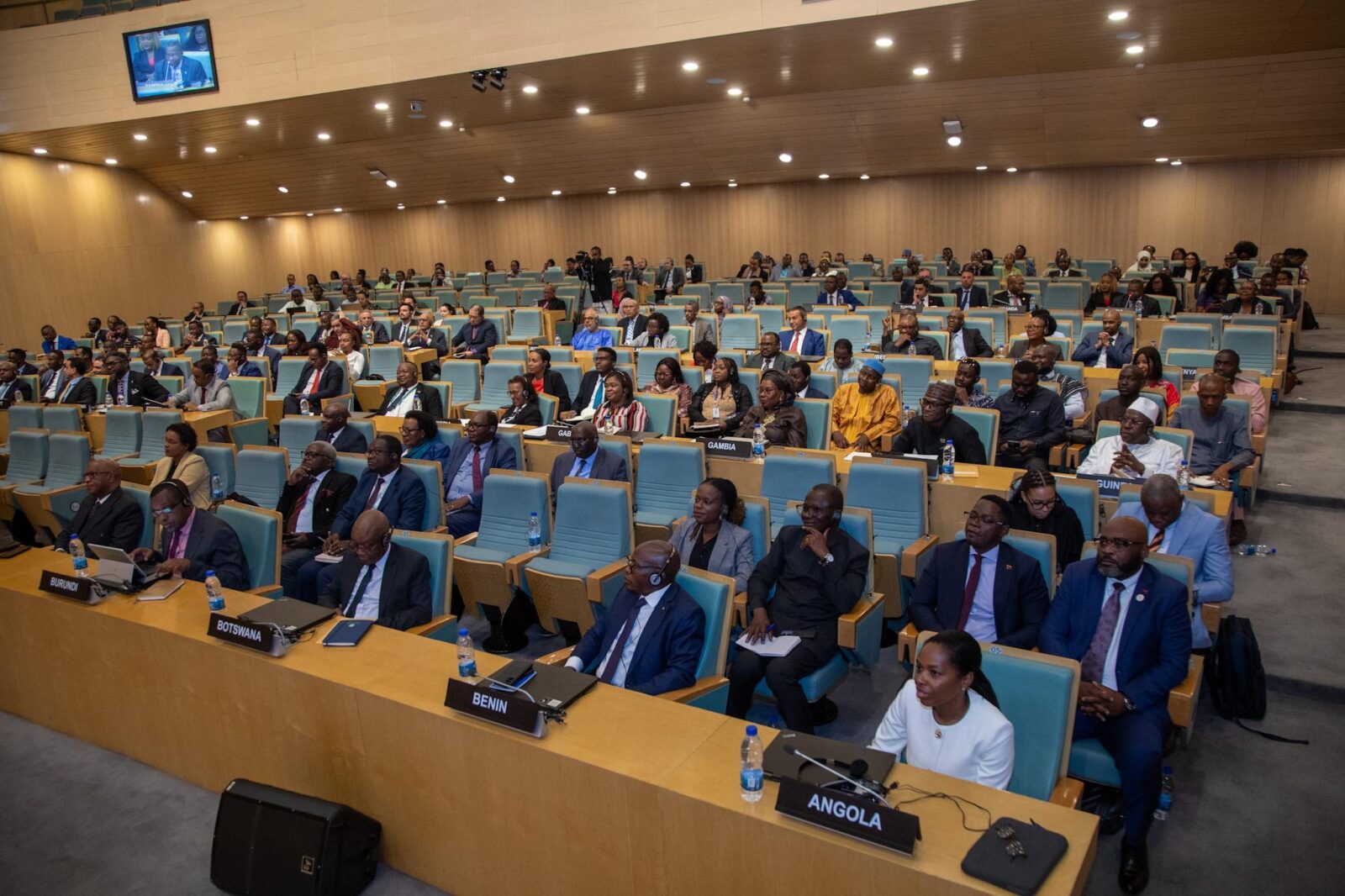
Burundi is set to assume the chairmanship of the African Union (AU) on 15 February 2026, a landmark moment for the East African nation, the country’s Foreign Affairs Minister Edouard Bizimana has declared in an official statement ahead of the handover.
In a wide-ranging address, Minister Bizimana urged all Burundians — from government institutions and private sector actors to youth, researchers and the diaspora — to unite behind the AU leadership agenda, stressing that continental challenges require collective effort, vigilance and commitment.
Bizimana described the upcoming AU leadership as both a “great honour and a heavy responsibility”, highlighting Burundi’s commitment to key priorities including water and sanitation, peace and security, youth engagement, women’s empowerment, and economic integration through initiatives such as the African Continental Free Trade Area (AfCFTA). He also reaffirmed the country’s intention to strengthen cooperation with global partners and address persistent conflicts across the continent.
“This is a moment to act, not just to talk — let us all bring our skills and energy to this historic endeavour,” the minister said, quoting President Evariste Ndayishimiye’s frequent call to unity that everything is possible when people are united.
The African Union is the continent’s premier political and economic organization, formally established in 2002 to succeed the Organisation of African Unity (OAU) — itself founded on 25 May 1963 by leaders intent on strengthening African unity, independence and cooperation following decolonization.
The AU comprises 55 member states and works on peace and security, development, integration and governance across Africa.
Since 15 February 2025, the AU has been chaired by President João Lourenço of Angola, whose one-year term precedes Burundi’s upcoming leadership. During the same period, Mahamoud Ali Youssouf of Djibouti has served as Chairperson of the African Union Commission, the organization’s executive arm, following his election at the 2025 AU Summit in Addis Ababa.
Burundi’s assumption of the AU chair — the first in its history — comes at a time of ongoing challenges across the continent, including conflicts in parts of the Sahel, the eastern Democratic Republic of Congo, Libya, and other regions, as well as economic pressures and climate-related impacts.



Leave a comment