

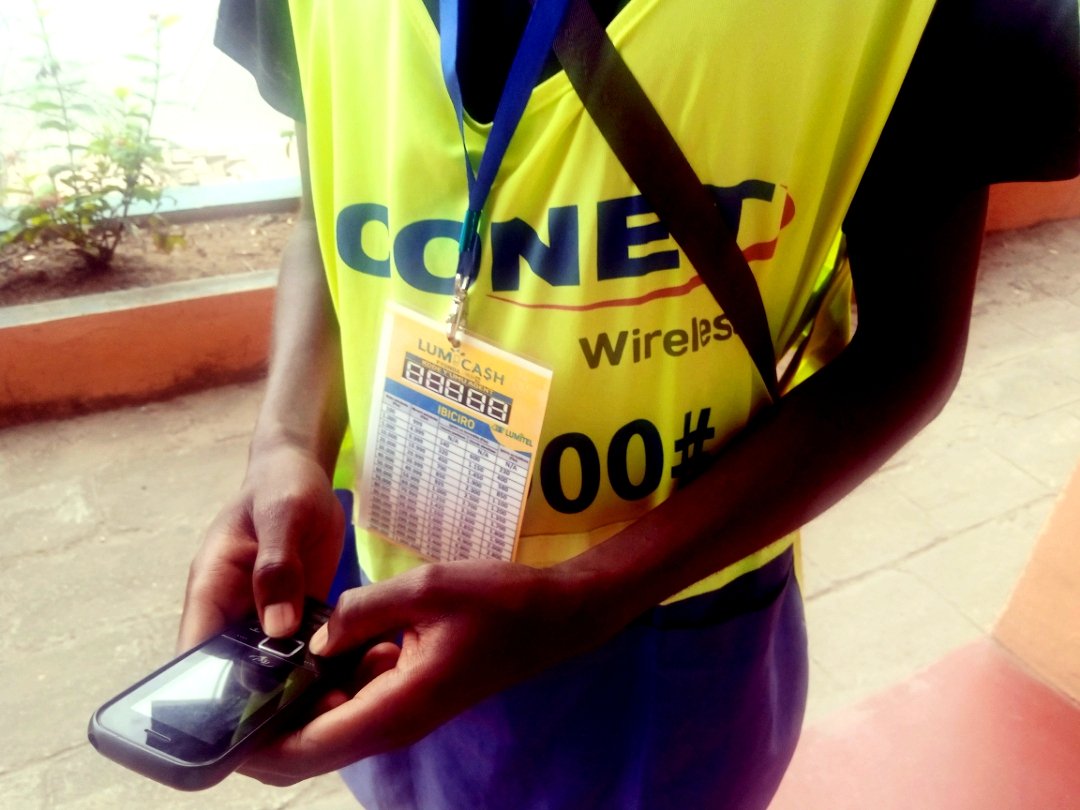
Burundi is experiencing a sharp rise in online fraud, much of it linked to mobile money services. While mobile money platforms have made it easier for people to send, receive, pay bills and store funds, they have also created new opportunities for scams, theft, and cybercrime. In a country where cybersecurity laws, data protection, and public awareness remain limited, experts warn that the problem could worsen without urgent reform
In Rumonge commune, in southern Burundi, one resident recalls how a simple phone call led to the loss of his money.
A man claiming to work for Lumitel —a leading telecom company—called him, asking about the quality of his internet connection and offering to help improve it. The caller sounded convincing and created a sense of urgency.
“He told me to hurry and give him my secret code,” the man said. “Then he asked me to read a message I had received. I didn’t know it was a verification code. I read it to him.”
Moments later, his account was compromised.
When he went to a Lumitel branch for help, he says he received little support. “They just told me many people have been robbed this way,” he said angrily.
Job Scams Targeting Young People
Mobile fraud is also preying on young job seekers.
Emery Arakaza, a recent secondary school graduate from Gitega in the country’s political capital, thought he had found an opportunity when he received a message about a job at a soap company.
“The person said he worked at SAVONOR—the soap and edible oil producer in Burundi—and described a good salary and loan opportunities,” Arakaza said.
The number appeared to belong to a friend, but it had been hacked.
Soon, the “employer” began asking for payments—first for work clothes, then for materials. The requests were urgent and persistent, creating pressure to act quickly.
At the time, Arakaza said he did not have the money. The scammer then told him to process about BIF 200,000 through a Lumicash agent, claiming he would withdraw the amount from a bank and send it back.
After the transaction was completed, Arakaza was unable to pay the Lumicash agent as he was still waiting for the scammer to send the money. The agent grew suspicious and alerted the police, who arrested Arakaza before the misunderstanding was cleared up.
The victim later realized he had been manipulated. “I didn’t even think of going to the telecom company,” he said.
How the Scams Work
These schemes often rely on social engineering rather than technical hacking.
Fraudsters typically call random numbers and check whether they are linked to WhatsApp. They then pretend to be telecom employees, sometimes using official company logos as profile pictures to appear credible. Once a victim answers, the scammer starts a casual conversation, often about poor internet service or account verification, before asking the person to share a verification code sent by SMS.
Once that code is disclosed, the fraudsters can take over the victim’s WhatsApp account or gain access to related mobile services. They then use the hacked account to contact the victim’s relatives, friends, or colleagues and ask for money under false pretenses. In many cases, victims are instructed to switch off their phones after sharing the code, but by then the account has already been compromised.
This method has affected many people, including Jean Renaud Niyonkeza, whose hacked account was reportedly used to solicit money from his contacts.
Government Response and Arrests
Authorities acknowledge the growing problem.
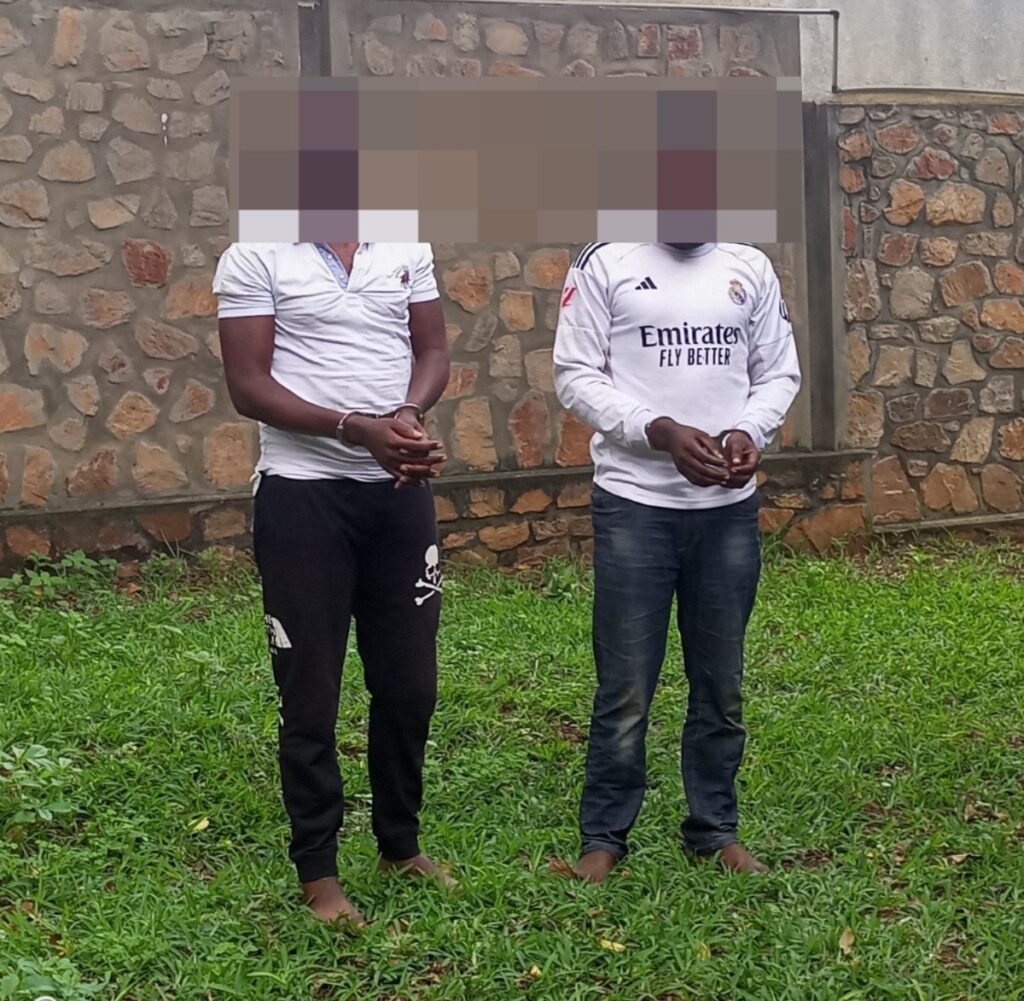
In March, police arrested two suspects linked to mobile phone fraud. According to Pierre Nkurikiye—Spokesperson for the Ministry of Interior Security, the suspects used hacked WhatsApp accounts to request money under false pretenses, collecting more than 400,000 Burundian francs from one victim’s relatives.
Officials have also warned about scams involving fake visa offers, where victims are lured abroad and risk losing money or even ending up in jail.
Under Burundi’s penal code, such false promises amount to fraud and are punishable by law.
According to the Judicial Police, cybercriminals stole more than 157 million Burundian francs through mobile payment platforms in 2024 alone. During the same period, more than 4,000 mobile phones were reported stolen.
Authorities say they have recovered part of the losses—more than 111 million francs and hundreds of stolen phones—but many cases remain unresolved.
Despite these efforts, victims and experts say prevention and follow-up remain weak, and the role of telecom companies in protecting users is still limited.
Rapid Growth, Rising Risks
Mobile money use in Burundi has expanded rapidly.
Data from the Central bank BRB shows that the share of adults with transactional accounts rose from 12.5 percent in 2012 to 63.7 percent in 2024. Mobile money accounts, virtually nonexistent in 2012, reached more than 44 percent in 2024, according to the financial institution .
Burundi in 2023 alone, reached 2.3 million active Mobile Money service subscriptions, representing a 140% increase compared to 2019, according to the Telecommunications Regulation and Control Agency (ARCT).
Over the same period, the total number of subscriptions climbed from BIF 4.1 million to BIF 6.9 million. The Mobile Money penetration rate stood at 53%, but drops to 17.3% when only active subscriptions are considered.
As of December 2023, the country recorded BIF 8.6 million mobile phone subscriptions, corresponding to a penetration rate of 66%, according to ARCT.
According to the Institute of Statistics and Economic Studies of Burundi (ISTEEBI), household transfers received amounted to BIF 128,093.9 million in 2020, compared with BIF 60,083.2 million in transfers sent. Nearly 80% of the transfers received were directed to rural areas.
Limited Awareness and Weak Response
ARCT, says it works with police and operators to track criminals after cases are reported.
But awareness remains a major gap.
“The problem is that not everyone receives or understands these warnings,” said ARCT spokesperson Emmanuel Misago. “Some people still trust these calls.”
Lumitel says it has warned users not to share PINs or verification codes and advises victims to call its support line. However, some users report unhelpful or unclear responses when they seek assistance.
The company also admits it cannot always track or prevent fraud, placing part of the responsibility on users.
Experts Point to System Weaknesses
Cybersecurity specialists argue that the problem goes beyond user behavior.
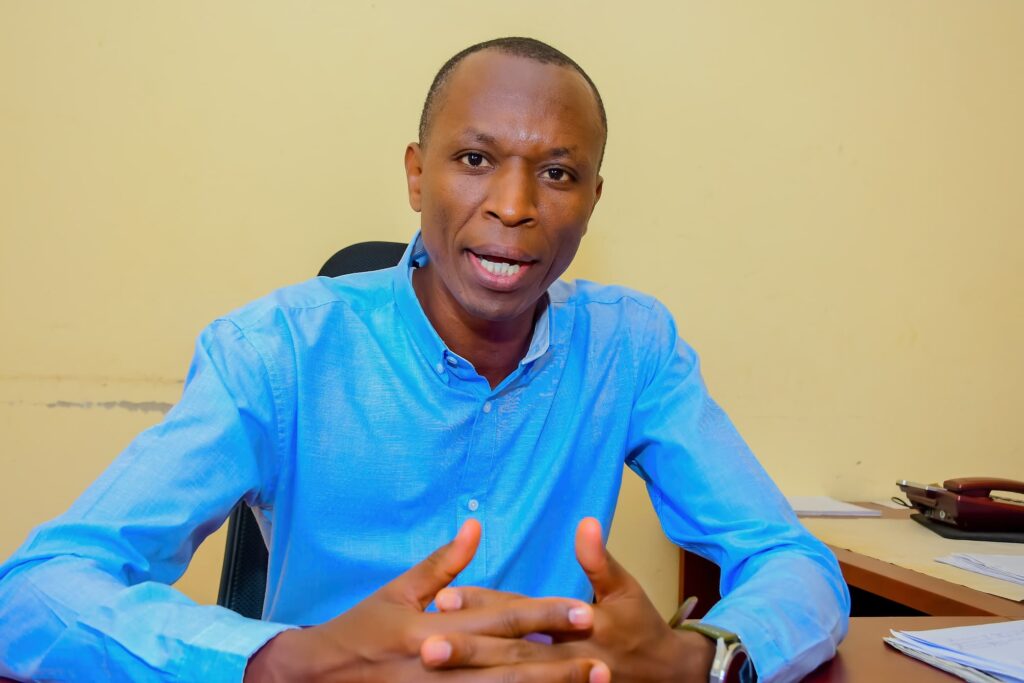
Information systems expert Ildegard Christian Bimeneyimana says mobile money platforms rely too heavily on one-time passwords, or OTPs, as proof of legitimacy.
“Once the OTP is validated, the system assumes the transaction is legitimate,” he explained. “That allows fraudsters to empty accounts within minutes.”
He recommends stronger safeguards, including transaction limits based on risk, delays for sensitive transfers, automatic blocking after suspicious activity, biometric authentication, real-time monitoring systems, better training for mobile money agents, and regular security audits.
“Operators must stop treating OTPs as sufficient proof,” he said.
Legal Gaps Leave Victims Exposed
Legal experts say the regulatory framework has not kept pace with the growth of digital finance.
Lawyer Francine Kankindi argues that while laws exist, they do not clearly define telecom companies’ responsibilities in cases of fraud.
“Legal remedies are often slow and inaccessible, especially for vulnerable populations,” she said.
Current legislation focuses more on administrative compliance than on user protection, leaving victims with limited recourse when fraud occurs.
Kankindi says reform is needed to clarify operator liability, strengthen data protection, and improve access to justice for victims.
“Mobile money handles sensitive personal and financial data,” she said. “It needs stronger legal safeguards.”
As mobile money becomes central to Burundi’s economy, the risks are becoming harder to ignore.
Experts agree that tackling the crisis will require coordinated action: stronger cybersecurity systems, clearer regulations, greater accountability for telecom operators, and wider public awareness campaigns.
Without those changes, millions of users could remain exposed to increasingly sophisticated scams.
Despite the presence of other electronic money platforms in Burundi, including newer and smaller providers, Lumicash and EcoCash remain the country’s leading and most widely used mobile money services.
Their broad reach and popularity have made them essential tools for everyday transactions, but also prime targets for fraudsters, who increasingly exploit these platforms to steal from unsuspecting users through scams, fake calls, and hacked accounts.





Leave a comment