
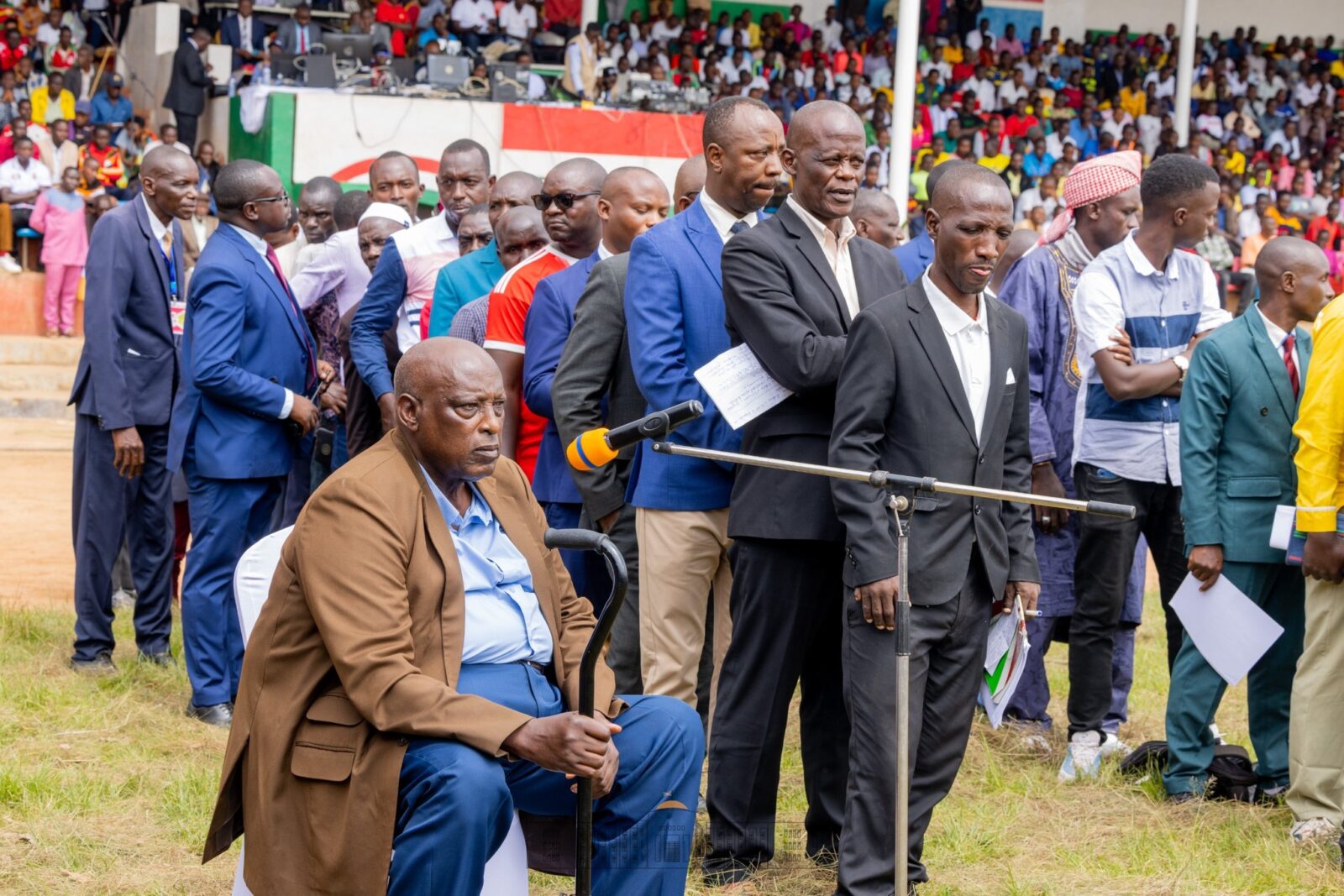
Burundi’s justice system is facing renewed scrutiny after citizens, rights groups, and the country’s own human rights commission accused authorities of unlawful imprisonment, political interference, and widespread procedural failures. The grievances surfaced during an end-of-year public press conference in Muramvya, Gitega province, where President Évariste Ndayishimiye responded to questions from citizens and journalists.
Martin Blaise Nyaboho, chairperson of the National Independent Human Rights Commission (CNIDH), denounced what he described as persistent illegal detentions. He highlighted detainees who remain imprisoned despite being acquitted, individuals held long after completing their sentences, prisoners never brought before a judge, and inmates with mental illness who continue to be held without access to proper care.
“We found that in prisons there are detainees who have already been cleared by the courts and ordered to be released,” Nyaboho said. “But when we go to the prisons, we find them wearing prison uniforms, even though the courts had ordered their release.”
Nyaboho urged the president to establish an ad hoc committee — including civil society organizations and rights monitors — to fast-track the review and release of affected detainees.
Rights Groups Report Hundreds of Illegal Detentions
Local rights organizations say the situation is more alarming than authorities acknowledge. Earlier this month, ALUCHOTO reported that over 1,000 detainees across the country are being held illegally, including acquitted prisoners, individuals who have completed their sentences, and prisoners who previously received temporary clemency.
In September, NTABARIZA, another rights group, said more than 100 people remain detained in Mpimba Central Prison in Bujumbura Province despite being legally cleared for release.
Vianney Ndayisaba, ALUCHOTO’s national coordinator, said decisions from the Ministry of Justice and even presidential directives are routinely ignored.
“There are powerful figures who use their authority to the point that even when a minister or the Prosecutor General makes a decision, the citizen still cannot obtain justice,” he said.
President Responds — But Defends Certain Detentions
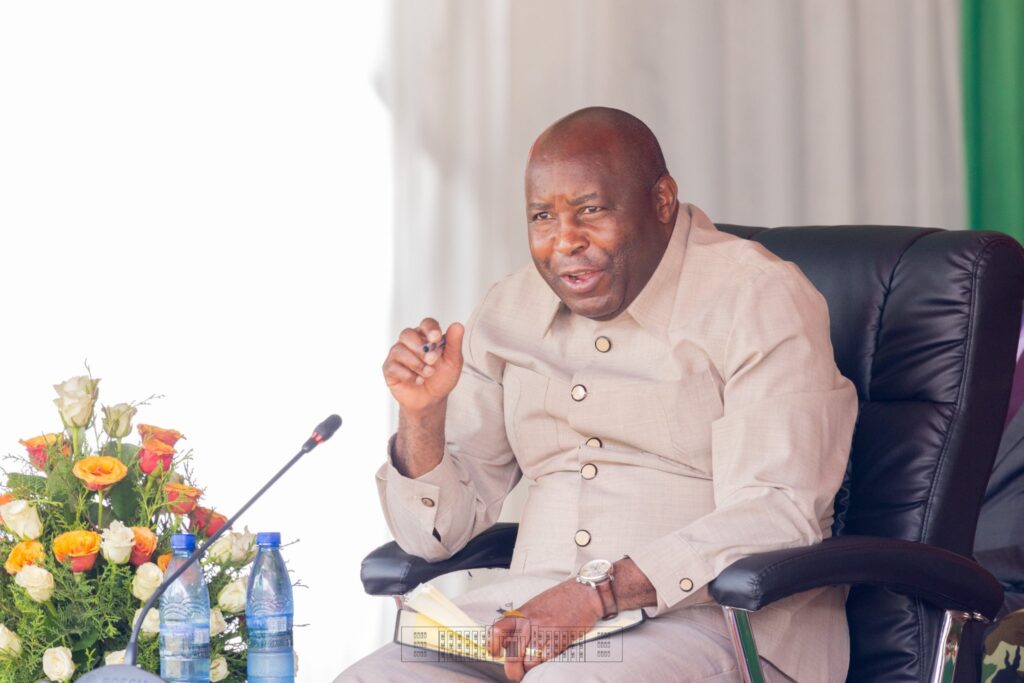
Responding to criticism, President Ndayishimiye said he had already ordered the Ministry of Justice to review detention cases nationwide and to identify individuals without legal basis for their imprisonment.
“I want to reassure citizens that the Ministry has completed the assessment. What remains now is implementation,” he said.
However, the president defended the continued detention of some acquitted individuals, arguing that several commit new crimes while still incarcerated, including offenses involving mobile phones used to defraud people outside the prison walls.
“There are people who were released but returned to criminal groups. Some participated in violent crimes in 2015 and still pose a threat,” he added, emphasizing the need for caution in the release process.
Citizens Share Personal Appeals of Broken Justice
Many citizens who took the floor gave emotional testimonies. Among them, businessman Muhwanya Jérémie from Bururi in southern Burundi captured national attention as he pleaded for state intervention in a property dispute case he says has been blocked for years.
“I am begging for justice, because I am utterly exhausted and desperate,” he told the president, describing how a buyer allegedly forged bank and property documents to avoid payment, despite a court ruling in his favor.
In response, Ndayishimiye instructed the Minister of Justice to act within a week and told Muhwanya to send him a message if no progress was made.
Since taking office in 2020, President Ndayishimiye has vowed to overhaul what he calls a “decayed” justice system. While his administration has introduced measures aimed at reinforcing accountability, critics say entrenched corruption and interference by influential officials continue to block progress.
As another year begins, citizens and rights defenders argue that the survival of public trust now depends on whether the government can translate promises into concrete action — and deliver justice to those who have been denied it.