

Burundi remains one of the world’s most corrupt countries, according to Transparency International’s latest Corruption Perceptions Index (CPI), prompting renewed criticism from local watchdog OLUCOME.
The report, published on February 10, 2026, ranks Burundi 167th out of 182 countries, with a score of 17 out of 100 — unchanged from recent years and among the lowest globally.
The CPI measures perceived levels of public sector corruption, including bribery, embezzlement of public funds, and weaknesses in government oversight.
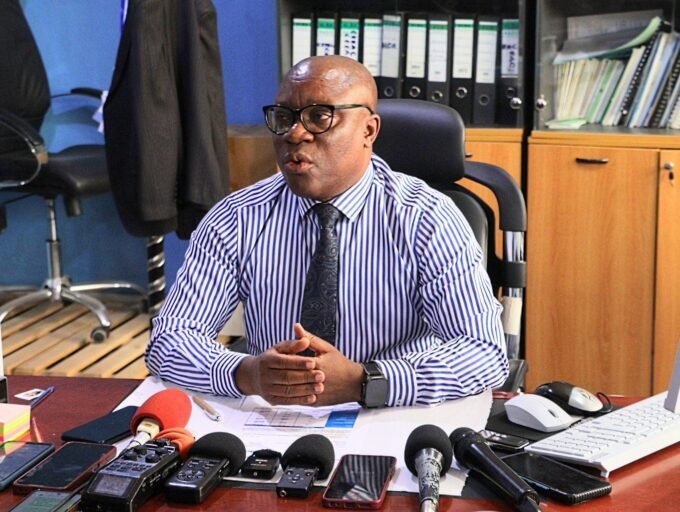
Speaking to journalists in Burundi’s economic capital Bujumbura on Monday, OLUCOME Chairperson Gabriel Rufyiri described the ranking as evidence of a deep leadership crisis.
“In a country where corruption prevails, effective leadership becomes impossible,” Rufyiri said, arguing that the absence of strong, accountable leadership has allowed graft to persist.
He noted that since independence, successive leaders have pledged to fight corruption, but implementation has repeatedly fallen short. Corruption in sectors such as health and transport, he warned, can have deadly consequences when citizens are denied essential services.
Rufyiri pointed out that Burundi was ranked among the 20 most corrupt countries in 2005 and is now among the seven worst performers globally. In Africa, it ranks 48th out of 53 countries assessed.
He contrasted Burundi’s trajectory with countries such as Singapore and African states including Seychelles and Botswana, which have improved governance and accountability systems.
Government Reaffirms Commitment
The ranking comes as the government reiterates its commitment to curb corruption by 2030. Authorities say the recently adopted national anti-corruption strategy is aligned with the revised National Development Plan and the UN Convention against Corruption.
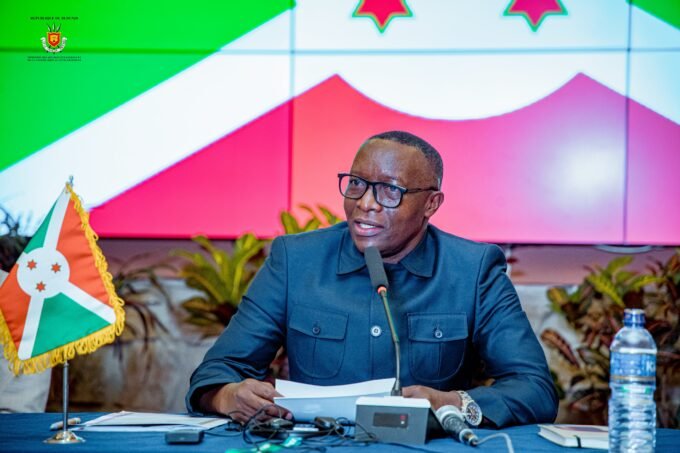
“Combating corruption occupies a central place in Burundi’s national vision,” government spokesperson Jérôme Niyonzima said.
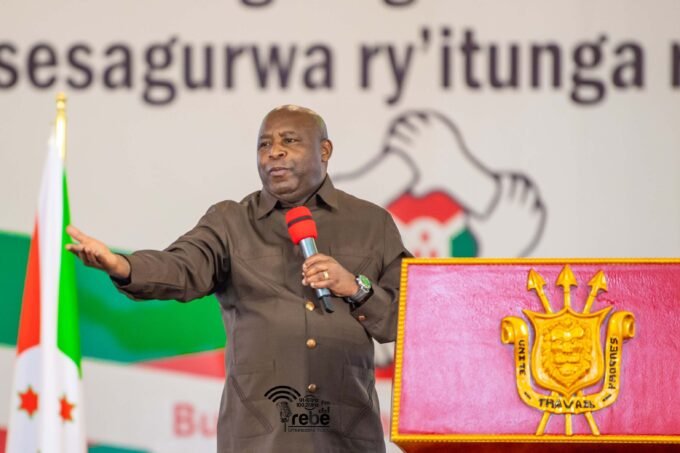
In December 2025, a high-level meeting led by President Évariste Ndayishimiye endorsed a national anti-corruption framework. The strategy was approved by the Council of Ministers in January this year and awaits promulgation.
During the meeting, the president criticized officials who place personal interests above public service. “We, as leaders, must set the example,” he said.
Despite official commitments, Rufyiri questioned whether reforms will be implemented effectively. He referred to what he described as 20 presidential promises made in late December 2025 that remain unfulfilled.
He also criticized the lack of digitalization in public services and the dissolution of key anti-corruption institutions in 2020, arguing that such weaknesses undermine accountability.
Rufyiri linked corruption to ongoing economic hardships, including fuel shortages, foreign currency scarcity, and limited access to basic goods.
“If the country cannot meet the basic needs of its citizens, the main cause is leadership,” he said, warning of deepening social frustration.
Rufyiri concluded by calling on both leaders and citizens to uphold constitutional provisions protecting public property.
“The fight against corruption is a fight for dignity and national survival,” he said. “Every citizen is called upon to protect public resources.”