
Burundians on Thursday joined the world in celebrating Christmas, but many say the festivities are overshadowed by the soaring cost of basic commodities — a crisis that has persisted throughout the year despite government assurances and intervention efforts.
From the economic capital Bujumbura to remote provinces, residents who spoke to BREAKING BURUNDI voiced deep frustration, urging authorities to urgently address inflation that continues to erode purchasing power.
“We are not happy with the way prices are on the market, especially during this festive season,” said Séverine Sindayigaya, a restaurant owner and mother of four in northern Bujumbura. “My customers are decreasing because I have to serve them food that matches the high market prices. Everything has gone up since last year.”
In Gatumba, on the western outskirts of Bujumbura, Elias Irakoze said Burundians have been forced into resignation. “Prices have continued to rise sharply, and people have simply gotten used to it. Nothing has changed. We are preparing for the festive season because there is no other choice.”
The situation is equally dire in the countryside. In northern Burundi, a resident described the increases as “excessive,” noting that one kilogram of meat now costs more than BIF 30,000, compared to around BIF 15,000 at the beginning of the year.
“Commodities are skyrocketing in Ngozi as if we were in Europe,” he said on condition of anonymity for safety reasons.
Government Efforts Fall Short
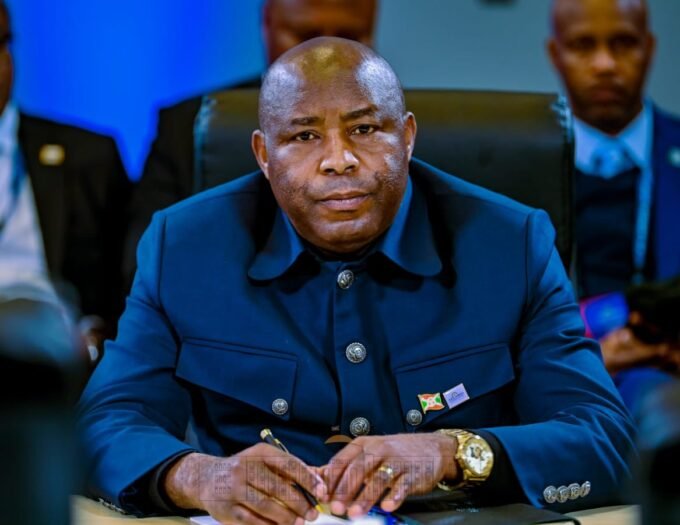
The crisis comes despite multiple state interventions. In December 2024, President Évariste Ndayishimiye gave the Ministry of Trade 15 days to propose solutions to curb inflation. In March 2025, the Ministry of Trade and Transport issued updated price regulations to enforce those directives.
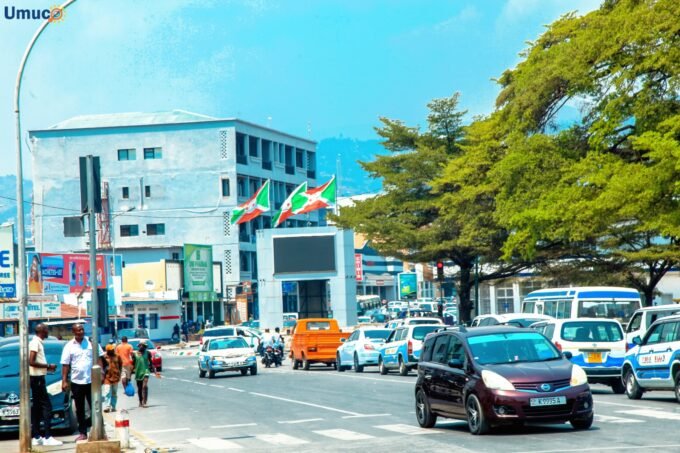
Yet, one year later, implementation remains inconsistent. In markets across Bujumbura, government-fixed prices are routinely ignored. Locally produced rice, officially priced between BIF 4,000 and 5,000 per kilogram, is commonly sold for BIF 7,000 to 7,200. The disparity is even greater for imported rice, which should cost BIF 5,000 to 7,000 but often sells for BIF 9,000 to 10,000. Residents report similar increases for maize, sweet potatoes, and cow milk.
Some items have decreased slightly — notably beverages. Shopkeepers say the popular juice Fursana dropped from BIF 2,500 to BIF 2,000, though many consumers consider this insignificant in the face of wider inflation.
Civil society organisations warn the government’s strategy is failing. Gabriel Rufyiri, president of the anti-corruption watchdog OLUCOME, said promised reforms have not materialized.
“The Head of State had promised that prices would go down, but I would give that a score of 0%,” Rufyiri said at a press conference Wednesday. “A ministerial ordinance was issued, but no commission was set up to monitor implementation. Is that reasonable?”
He added that the government’s own budget projects an inflation rate of 36%, underscoring the severity of the crisis.
“The economy is deteriorating. A Burundian earns less than one dollar a day. We are being severely hit.”
Christmas Messages Call for Peace
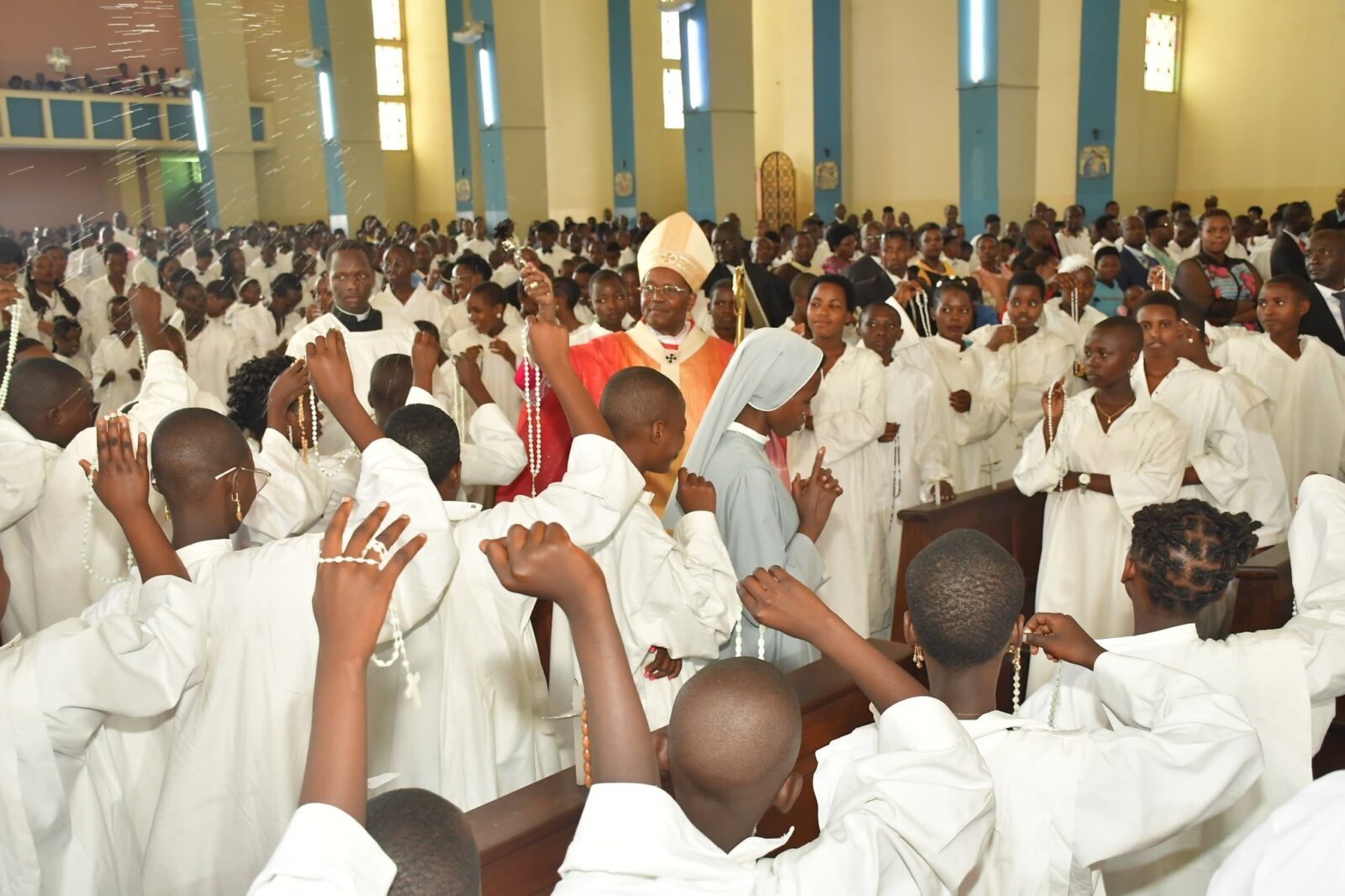
During Christmas Mass in Bujumbura, Bishop Gervais Banshimiyubusa, head of the Bujumbura Archdiocese, used his homily to call for peace — both in households and across the region.
He warned that “peace continues to fade in the world because people seek it through violence,” adding that conflicts begin “from families up to nations” and destroy human dignity. He urged Burundians to reject violence and choose dialogue at all levels.
The bishop’s message comes as Burundi faces growing security concerns linked to renewed conflict in eastern Democratic Republic of Congo (DRC). Over the past few days, the fighting has intensified between the Congolese army and the AFC/M23 rebel movement, which Kinshasa accuses Rwanda of supporting — allegations Rwanda rejects.
A Bleak Holiday for Many
As families gather for Christmas, joy is tempered by uncertainty. For many, the holiday serves as a reminder not only of faith, but of resilience in the face of hardship.
“We celebrate because we must,” said Irakoze. “But it does not feel like Christmas when we worry about tomorrow.”
For Sindayigaya, the holiday brings little relief.
“We keep hoping something will change,” she said. “But hope alone does not fill our plates.”