
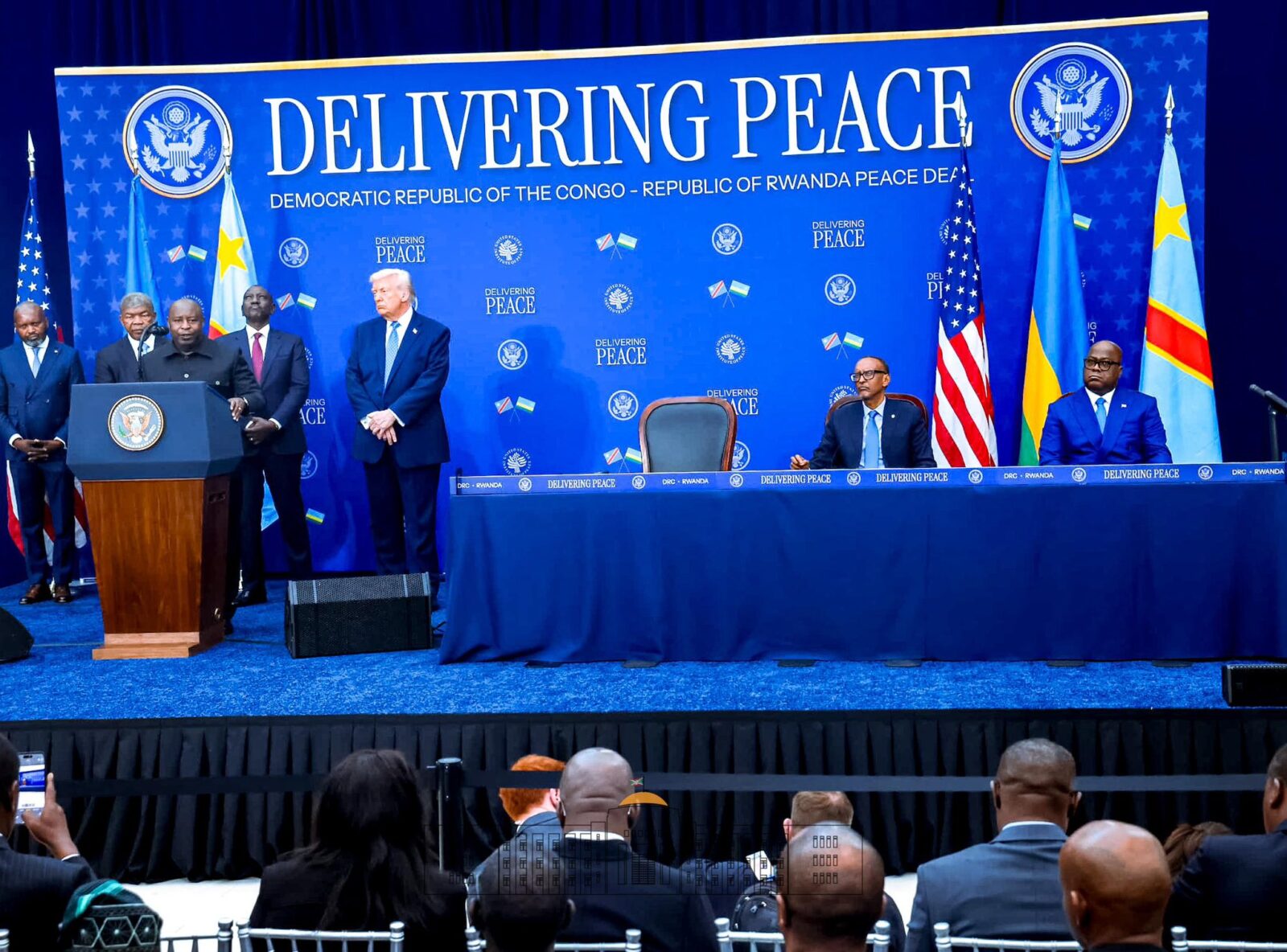
Rising insecurity in eastern Democratic Republic of Congo (DRC) has sparked concern in Burundi, despite recently signed peace agreements between Kinshasa and Kigali aimed at ending decades of conflict.
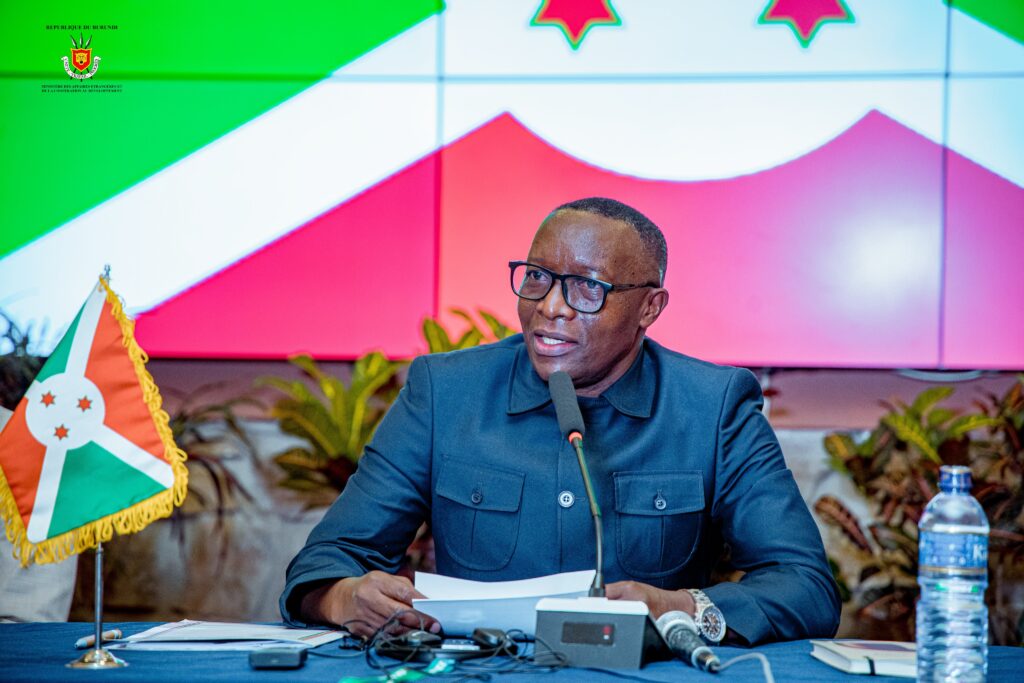
Addressing diplomats and representatives of international organizations in Burundi’s economic capital Bujumbura on Monday, Foreign Affairs Minister Edouard Bizimana accused Rwanda of continuing military operations in eastern DRC in defiance of the Washington agreement.
“I briefed them about the growing insecurity in the region, especially along our border with the DRC,” Bizimana said. “This insecurity is caused by Rwanda’s harmful actions—Rwanda is trying to seize territory even though it signed agreements to stop the war and restore peace.”
His remarks come amid intensified fighting in South Kivu between Congolese forces and M23/AFC rebels—an armed group the Burundian government says is backed by Rwanda. Kigali denies supporting the rebels.
Two Injured in Bomb Explosions in Cibitoke
Last week, two civilians—a 12-year-old child and a woman—were injured by bomb blasts in Cibitoke commune, near the Burundi–DRC border. Bizimana condemned the attack on X, alleging that AFC/M23 rebels were responsible.
“They also shelled Burundian territory in Cibitoke, injuring two people, but our soldiers pushed back those who were attacking us,” he reiterated during Monday’s briefing.
The AFC/M23 rebels have rejected Burundi’s accusations. In a statement published on X on the weekend, the group claimed the Burundian army had instead shelled their areas from Burundi, damaging roads, bridges, schools, health centers, homes, and churches. They did not specify the dates of the alleged attacks.
The Burundian military has not responded to the accusations.
Government Claims Dozens of Military Trucks Crossed into DRC
Despite last week’s US-brokered peace deal between Rwanda and the DRC—witnessed by Burundian President Évariste Ndayishimiye—Minister Bizimana alleges that Rwandan-backed forces carried out major troop movements shortly before the signing.
According to him, 17 military trucks “crossed Lake Kivu by boat,” while another 21 entered through the Bunagana border into DRC.
“Before that, they tried to pass through a place called Mwenga to surround and destroy Burundian positions, but our forces pushed them back,” Bizimana said. He added that the attackers later advanced through Kamanyola.
He claimed the rebels sought to capture Luvungi and Uvira before the signing of the Washington peace deal. “Our forces acted effectively and resisted the enemy,” he said.
Bizimana defended the deployment of Burundian troops in eastern DRC, saying Rwanda is falsely portraying Burundi as an obstacle to peace. “Even before the agreements were signed, fighting had intensified—they were attacking heavily to capture Uvira. They have not abandoned that plan,” he said.
Thousands Flee as Fighting Intensifies
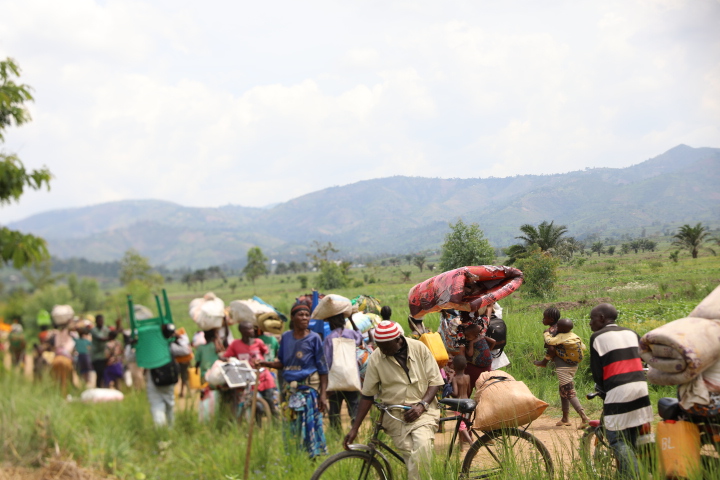
The surge in violence has forced thousands of families to flee areas in eastern DRC bordering Burundi. According to Bizimana, more than 2,100 people crossed into Burundi between December 6 and 7 alone, including both Congolese nationals and Burundians living in DRC. An additional 588 families are reported to have fled earlier.
“Many are fleeing to Burundi, and we are receiving them because we understand the hardships they face,” Bizimana said.
Burundi already hosts more thousands of Congolese refugees, with numbers surging earlier this year during clashes in South Kivu that led to the fall of key towns such as Goma and Bukavu.
Relations between Kigali and Gitega have been severely strained since Burundi accused Rwanda of sheltering perpetrators of the failed 2015 coup. Rwanda denies the allegations. The land border between the two neighbouring countries remains closed.
During a press conference last week, President Ndayishimiye repeated accusations that Rwanda is training Burundian youths in refugee camps and deploying them to fight alongside M23 rebels.
“[Rwandan] government should inspire confidence by handing over those people,” Ndayishimiye said. “They take young people from camps, train them militarily, send them to M23. The general staff headquarters in Kigali is implicated.”
Rwandan President Paul Kagame, speaking in Kigali in late November, insisted that his country bears no responsibility for the border closure. “Burundians were the ones who decided to close the borders. We have never closed them,” he said.
Burundians—particularly communities living along the western border with the DRC—fear the violence could escalate and spill over into the country. The Burundian minister of foreign affairs assures them that national borders remain secure. “Citizens should remain calm; security is being ensured, and all borders remain well protected,” he said.
Rwanda Responds
In a statement issued Wednesday, Rwanda’s Ministry of Foreign Affairs dismissed accusations from Burundi and the DRC, instead blaming the Congolese and Burundian armies—alongside what it called FDLR militias, Wazalendo groups, and foreign mercenaries—for escalating violence in South Kivu.
Kigali accused these forces of bombing civilian areas near the Rwandan border using fighter jets and drones, saying the AFC/M23 rebels had been “forced to counter” the attacks.
Rwanda also reported that more than 1,000 Congolese civilians fled into southern Rwanda after “bombing of Kamanyola from Burundi,” and are now sheltered at the Nyarushishi Transit Camp. The statement further alleged that Burundi has deployed nearly 20,000 troops in South Kivu and placed Banyamulenge villages in Minembwe under siege.
Kigali said the DRC has openly rejected the ceasefire despite signing the Washington Accords and has failed to neutralize the FDLR as agreed. It warned that continued violations threaten regional security and urged a return to full implementation of the peace agreements.
This story has been updated to include Rwanda’s reaction