
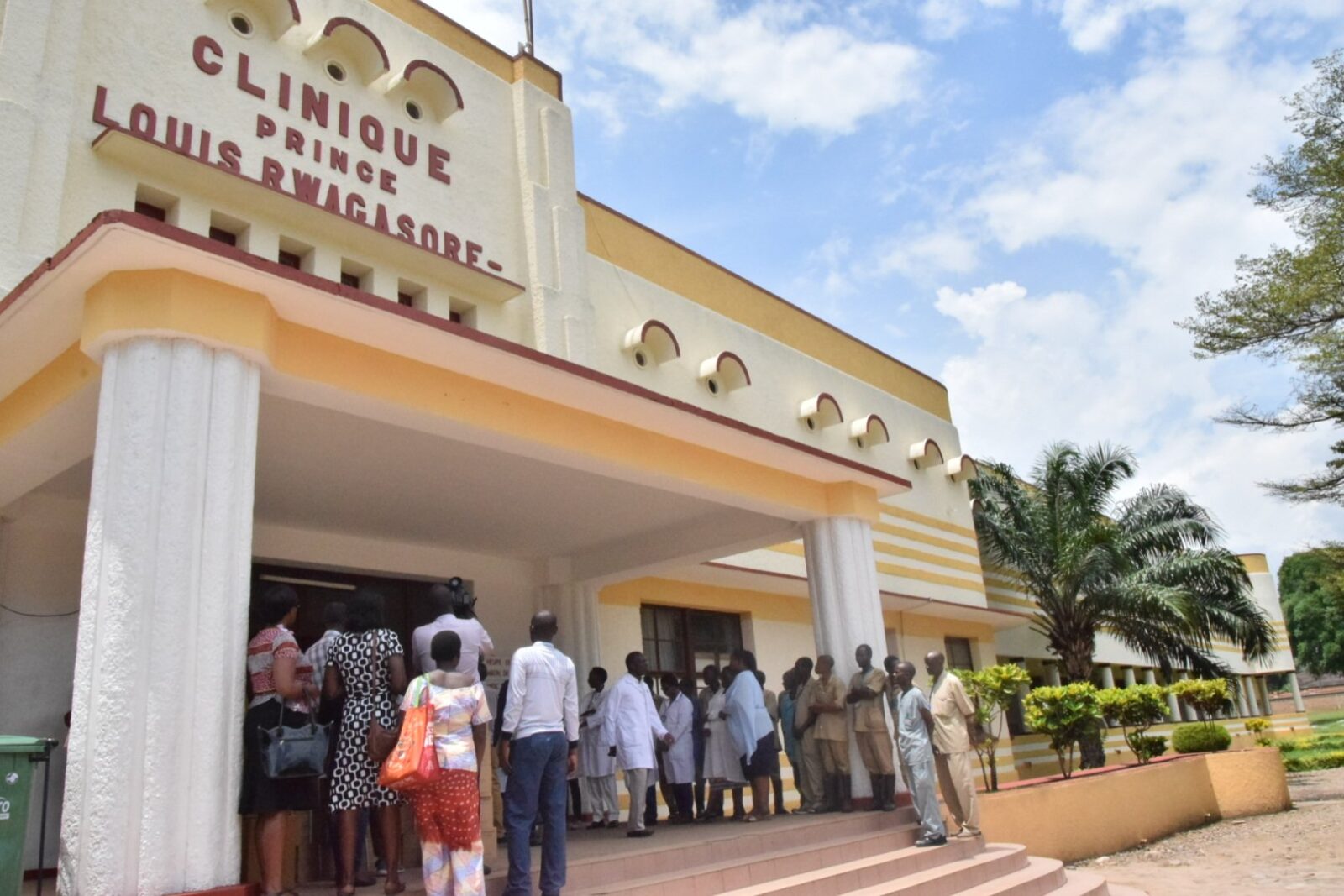
As Burundi confronts an accelerating exodus of skilled workers, its most vital public services—healthcare and education—are showing visible signs of strain. Driven by low salaries and harsh working conditions, doctors, teachers, and specialists are leaving in growing numbers, creating gaps that are no longer abstract warnings but daily realities in hospitals and classrooms, particularly in the country’s capital Bujumbura.
Patients, students, and professionals describe a climate of anxiety, as experts caution that the consequences could extend far beyond these sectors, threatening the country’s broader economic stability. What is unfolding is not simply a staffing shortage, but a systemic erosion of capacity that risks deepening poverty and undermining decades of fragile progress.
A Health System Under Strain
Nowhere is the impact more immediate than in the health sector. The departure of experienced doctors and specialists has created what one physician described as an “unbearable void.” Speaking anonymously under the name Thierry, a doctor who spent eight years working at Roi Khaled and Kamenge Military Hospitals, recounted the human cost of this shortage.
He described laboring mothers left waiting without immediate care, emergency cases deteriorating due to delays, and preventable deaths that continue to haunt medical staff. Children suffering from high fevers often go untreated for hours, sometimes longer, as overwhelmed doctors struggle to manage an unrelenting flow of patients.
Another hospital worker confirmed that the scarcity of specialists forces patients into prolonged uncertainty. Many wait weeks or even months for treatment, while others abandon the public system altogether, turning to expensive private clinics they can barely afford. Even hospital employees themselves are not spared. One staff member recalled spending weeks searching for a pediatric specialist when her own child was hospitalized—an ordeal that ended only because of personal connections. Without such networks, she noted, many patients are left with no options.
As senior professionals leave, hospitals increasingly rely on trainees and recent graduates to fill the gaps. While these young practitioners possess theoretical knowledge, they often lack the confidence and experience required for complex cases. Decisions are delayed, consultations multiply, and patients’ conditions can worsen in the interim. Meanwhile, the remaining doctors are stretched thin, juggling multiple cases simultaneously, leaving chronic patients especially vulnerable due to inconsistent follow-up care.
The Economics Behind the Exodus
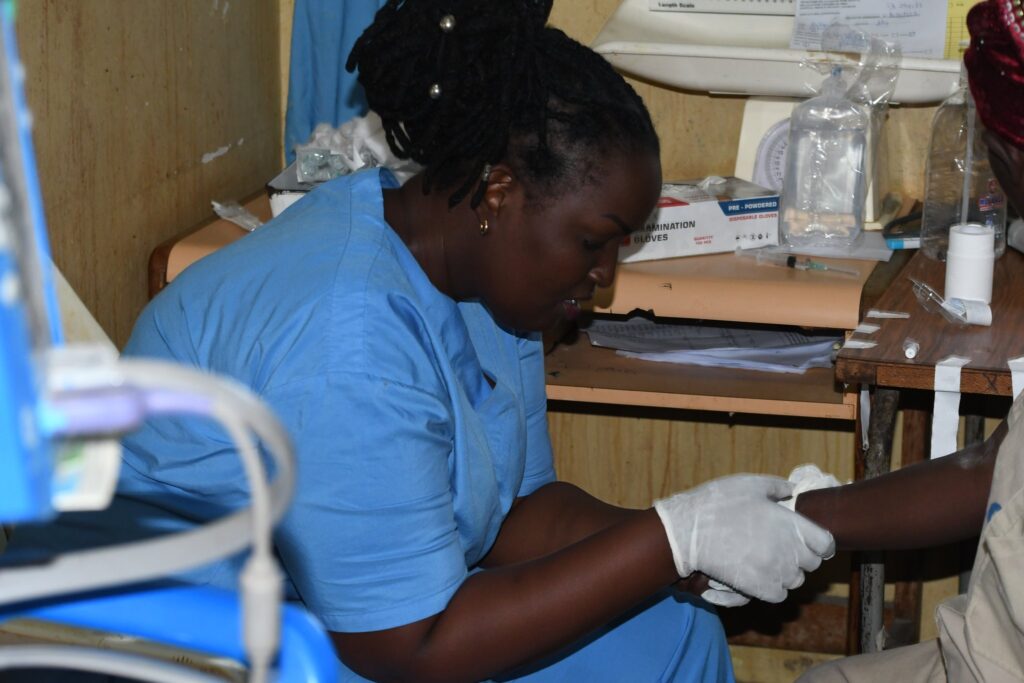
At the heart of this crisis lies a stark economic reality. Health workers consistently point to low pay and poor working conditions as the primary drivers of their departure. Salaries have failed to keep pace with the rising cost of living, pushing even experienced professionals into financial distress.
Thierry’s monthly salary of 470,000 Burundian francs—less than 100 USD —barely covers a fraction of his expenses. Rent alone consumes most of his income, while food costs far exceed what remains. Basic needs such as transportation, utilities, and healthcare quickly become unaffordable. For many, survival has become a daily calculation.
Union leader Fidel Niyonkuru argues that these wages no longer reflect economic reality. Since 2020, Burundi has faced persistent economic pressures, including foreign currency shortages, fuel scarcity, and rising prices for essential goods. Even government attempts to introduce bonuses have done little to close the widening gap between income and living costs.
The disparity becomes even more pronounced when compared to neighboring countries. A specialist doctor in Burundi earns significantly less than counterparts in Rwanda, Kenya, or Tanzania, making migration an increasingly rational choice rather than an act of disloyalty. Reports suggest that thousands of trained professionals have already left, with many more considering similar paths.
For those who remain, adaptation often means stepping away from public service altogether. Thierry himself has shifted to part-time work across private facilities, piecing together an income that allows him to support his family. It is, as he puts it, “a way to survive.”
This workforce depletion is particularly alarming when measured against global standards. According to the World Health Organization, a minimum threshold of 4.45 health workers per 1,000 people is required to ensure basic service coverage. Burundi remains far below this benchmark. Although the number of practitioners has increased slightly in recent years, the gains are offset by a steady outflow of talent. With universities graduating around 100 doctors annually—fewer than those who leave—the deficit continues to widen.
Health experts warn that the long-term consequences could reverse critical public health achievements. Gains in reducing maternal and child mortality are now at risk, as fewer doctors mean reduced access to timely and effective care. Hospitals already struggling with limited equipment and resources may face further deterioration, pushing the system toward collapse.
An Education System Losing Its Backbone
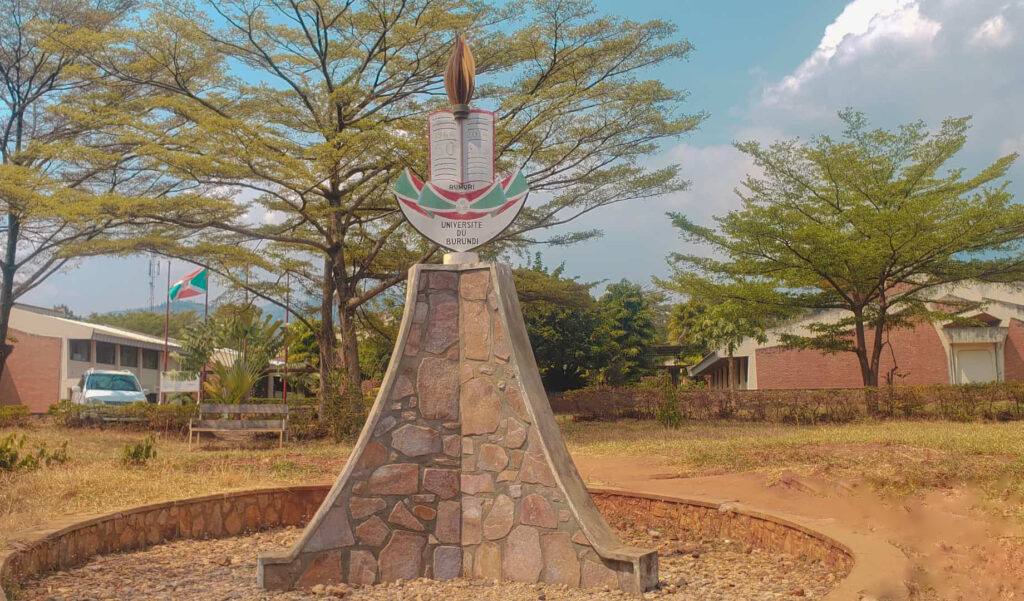
The education sector mirrors this crisis. Schools and universities are losing experienced teachers at an alarming rate, disrupting learning and weakening institutional stability. At the University of Burundi, the departure of multiple lecturers in a single department has left students grappling with incomplete courses, administrative confusion, and declining academic quality.
Students describe a system struggling to adapt. When lecturers leave abruptly, institutional knowledge disappears with them. Exams become chaotic, grading systems falter, and remaining staff are forced to improvise. In some cases, newly graduated instructors are recruited to teach, despite limited experience, raising concerns about the long-term quality of education.
Government figures confirm the scale of the problem. Thousands of teachers have left their positions in recent years, many seeking better employment opportunities abroad. The loss extends to highly trained academics, including dozens of PhD holders whose departure represents not only a skills gap but also a significant loss of public investment.
Beyond staffing shortages, the education system faces compounding challenges: inadequate infrastructure, overcrowded classrooms, and rising dropout rates. Increasingly, students themselves are leaving school in search of work abroad, particularly in Gulf countries, further weakening the country’s human capital base.
Experts warn that this trend risks triggering a broader collapse of the knowledge economy. Universities are not only centers of learning but also engines of research, innovation, and professional training. As senior academics leave, the capacity to train future generations diminishes, creating a self-reinforcing cycle of decline.
The economic implications are profound. A shrinking pool of skilled workers discourages investment, limits productivity, and traps the country in a cycle of low growth. The social consequences may be equally severe, as weakened institutions erode public trust and leave young people vulnerable to exploitation or instability.
Policy Response and Growing Debate
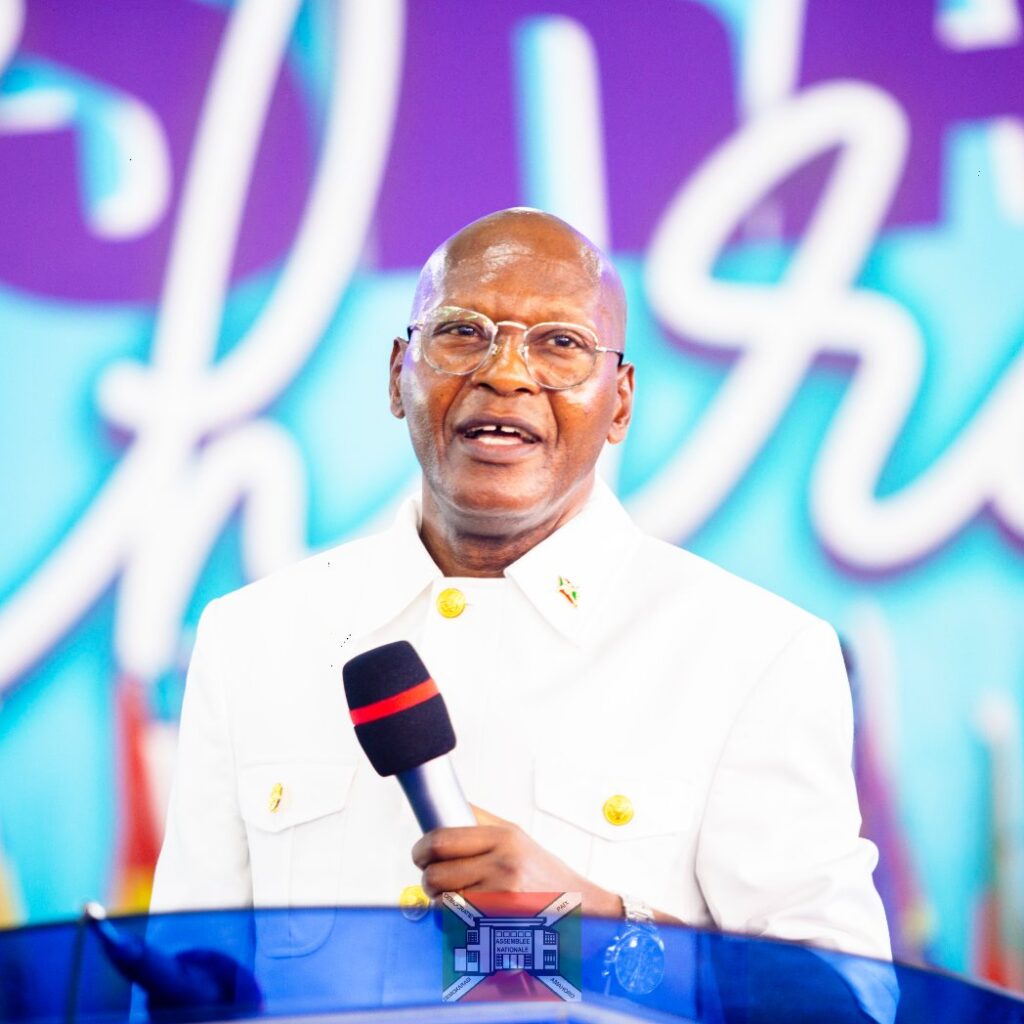
Despite the mounting evidence, government responses have often framed the issue in terms of patriotism. National Assembly Speaker, Gelase Daniel Ndabirabe has characterized departing professionals as lacking national loyalty, arguing that the state has invested in their education only for them to leave.
“Someone who was educated [abroad] with government funds leaves the country after returning just because ‘they are paid too little.’ You are nothing but mercenaries; you’re useless. Just leave, but it’s heart-breaking,” he said.
Critics contend that this narrative overlooks the structural realities driving migration. When wages fail to meet basic living standards and working conditions deteriorate, leaving becomes less a choice than a necessity. Labeling it as betrayal, experts argue, risks deepening the crisis by dismissing legitimate grievances.
Instead, analysts call for a shift toward comprehensive reform. Addressing the crisis will require more than temporary financial incentives. Proposals include improving working conditions, creating transparent career pathways, and offering non-salary benefits such as housing and professional development opportunities. Engaging the diaspora and strengthening partnerships with international institutions could also help mitigate the loss of talent.
Some experts advocate for long-term strategies to rebuild capacity, including expanded postgraduate training programs and commitments to retain graduates within the national system. Others emphasize the importance of inclusive dialogue, bringing together government officials, professionals, and civil society to develop sustainable solutions.
Ultimately, the crisis reflects a deeper challenge: the balance between national investment in human capital and the conditions required to retain it. Without meaningful reforms, Burundi risks losing not only its skilled workforce but also the foundations of its future development.
As Niyonkuru warns, the stakes are immediate and human. When the cost of living outpaces income to such an extent, the consequences are not abstract—they are measured in untreated patients, interrupted education, and lives pushed to the brink.