

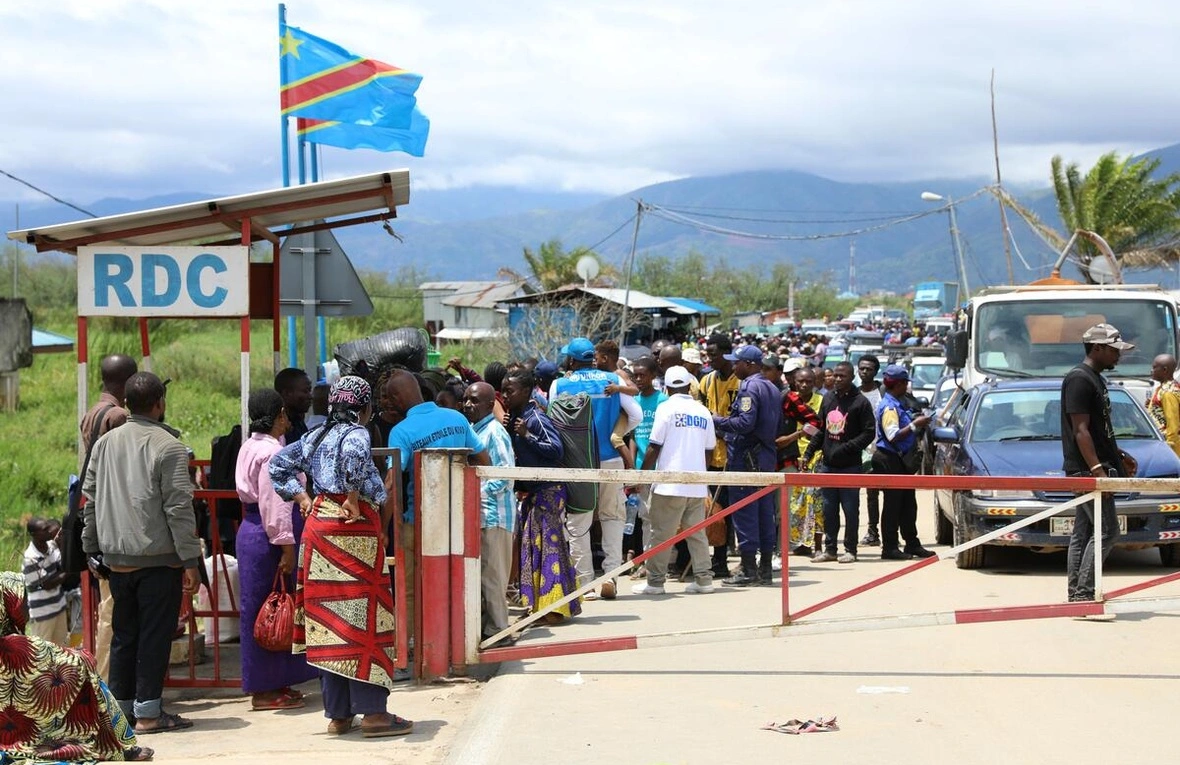
Burundi’s Minister of Foreign Affairs, Edouard Bizimana, has announced that the border between Burundi and the Democratic Republic of Congo (DRC) will remain closed sine die, citing persistent security threats linked to armed groups operating in eastern Congo.
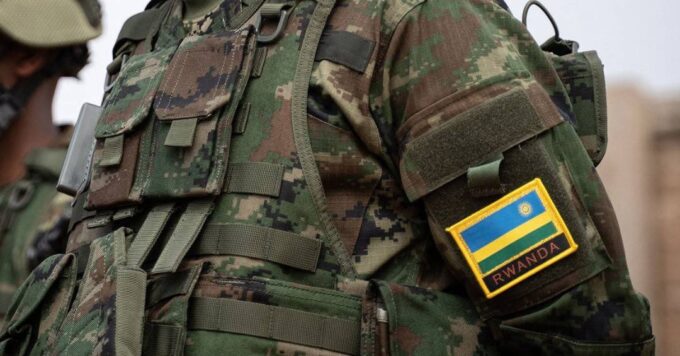
Speaking on Thursday during a briefing with diplomats and representatives of international organizations accredited in Bujumbura, Bizimana accused Burundian rebel groups — notably Red Tabara, in collaboration with Rwanda-backed M23 rebels — of attempting to infiltrate Burundian territory to carry out attacks.
“Not long ago, we observed a certain movement of Burundian rebels who continue to work with M23 and the Rwandan army, and who advanced toward the Burundian border on the Rusizi side,” Bizimana said.
The minister recalled past deadly attacks attributed to Red Tabara inside Burundi and warned that the group is once again preparing assaults in coordination with its regional allies.
“Red Tabara has already committed atrocities on Burundian soil and is currently preparing to do so again with the support of the negative forces I have just mentioned,” he added.
Uvira Crisis and Border Closure
Bizimana’s remarks come amid heightened tensions following the brief capture of Uvira, a strategic city in South Kivu province, by AFC/M23, shortly after the signing of a peace agreement between Kigali and Kinshasa under the mediation of U.S. President Donald Trump in late December.
The fighting triggered the displacement of thousands of civilians and prompted Burundi to shut its border with the DRC. Although M23 later announced its withdrawal from Uvira following pressure from Washington — which condemned the move and warned of possible sanctions against Rwanda — Burundi remains unconvinced.
Congolese government forces and their allies reportedly returned to Uvira after the rebel retreat. However, Bizimana rejected claims that M23 had fully withdrawn, describing the move as a strategic repositioning rather than a genuine pullback.
“We do not consider this a real withdrawal. It is a tactical move aimed at reorganizing for future attacks,” he said.
Economic Impact and Security Concerns
Uvira, located on the eastern shore of Lake Tanganyika about 200 kilometers southeast of Bujumbura, is a key hub for cross-border trade. The prolonged closure has severely disrupted commercial activity, leaving thousands of traders and transporters stranded on both sides of the border.
Despite mounting economic pressure, Bizimana insisted that reopening the border requires thorough security assessments and full preparedness.
“The borders will be reopened only when we are fully assured that there are no security risks. Opening borders today only to close them again tomorrow would mean conditions were not properly met,” he said.
He revealed that Burundian authorities have intercepted at least nine attempts by Red Tabara fighters to cross into the country via the Rusizi corridor.
Burundi Reaffirms Commitment to Peace
While acknowledging the growing insecurity in eastern DRC, Bizimana reaffirmed Burundi’s commitment to peace, regional stability, and humanitarian obligations, noting that the country continues to host Congolese refugees fleeing violence.
“Burundi will never provoke anyone. But as soon as there is a threat to our borders, our armed forces and security services stand ready to defend the territorial integrity of our country,” he said.
Addressing diplomats in French, the minister stressed the need for a coordinated and durable humanitarian response, calling for continued international solidarity.
“Burundi remains attached to peace and regional stability, but it also remains vigilant — very vigilant — in the face of any threat to its territory,” Bizimana said.
The country’s top diplomat assured that while the situation inside Burundi remains stable, authorities will continue monitoring developments closely and will inform partners once conditions allow for the safe reopening of the border.




Leave a comment