

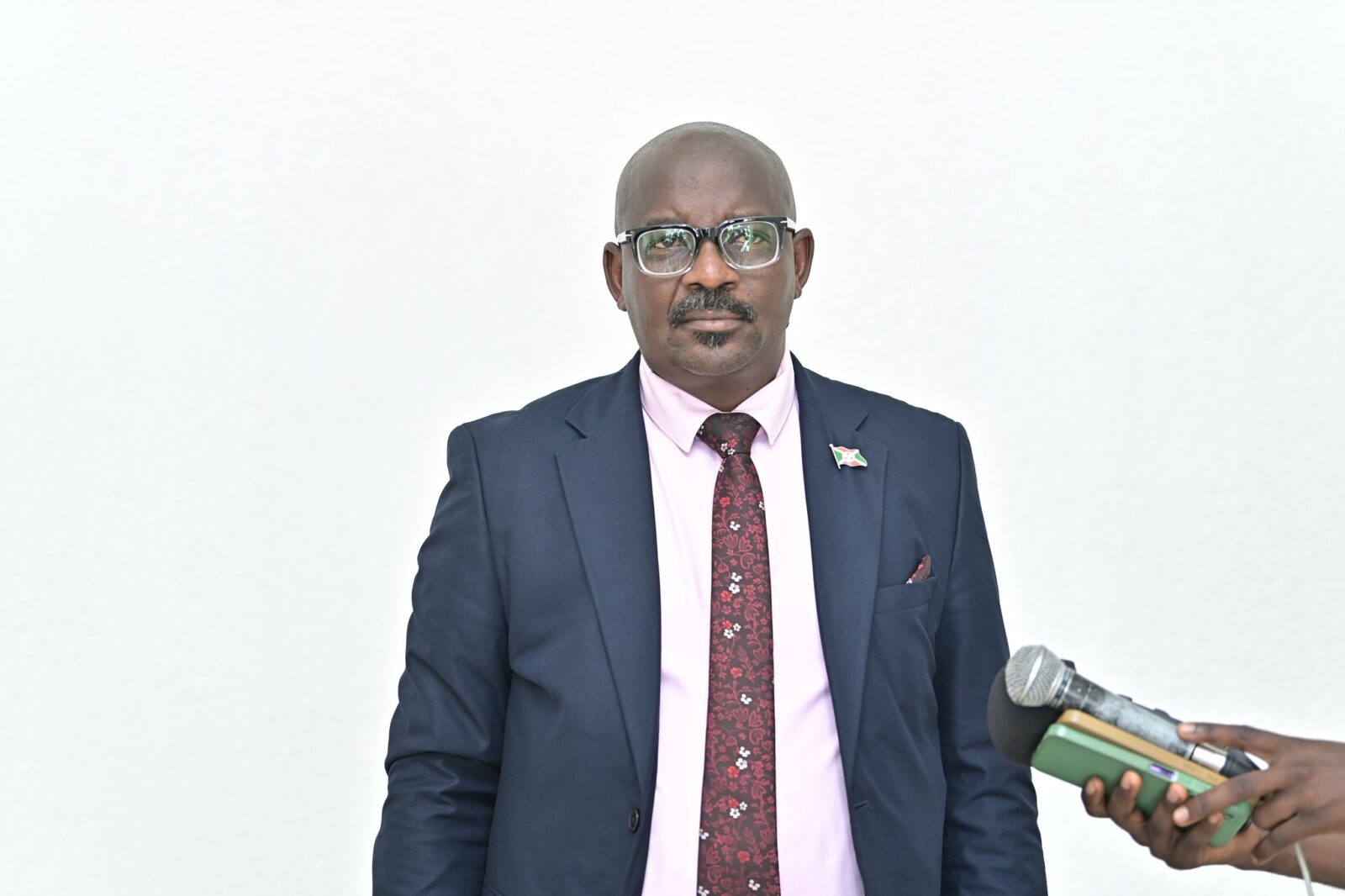
The Burundian government has announced plans to significantly reduce corruption by 2030, describing the fight against graft as a cornerstone of the country’s long-term development agenda.
Speaking on Friday while presenting the minutes of a cabinet meeting, Government Spokesperson Jérôme Niyonzima said the anti-corruption drive aligns with Burundi’s Vision 2040–2060, which seeks to transform the country into an emerging economy by 2040 and a developed nation by 2060.
“Combating corruption occupies a central place in Burundi’s national vision,” Niyonzima said, adding that the newly adopted strategy is also anchored in the revised National Development Plan and the provisions of the United Nations Convention against Corruption.
According to Niyonzima, the strategy aims to restore “a culture of integrity, patriotism, and the fight against impunity,” which he described as key pillars for reducing corruption in a visible and measurable way by 2030.
“It will serve as a reference framework for all stakeholders involved in the fight against corruption,” he said, noting that the council of ministers has approved the plan and called for improved reporting on achievements and challenges related to previous anti-corruption initiatives.
High-Level Endorsement
The government’s announcement follows a high-level meeting convened by the Office of the Inspector General in December 2025 to adopt a national anti-corruption framework report.
The meeting, attended by President Évariste Ndayishimiye and representatives from various institutions, agreed that the report would be endorsed by the council of ministers in early January 2026. Participants also called for strict oversight of the strategy’s implementation within three months.
During the meeting, President Ndayishimiye strongly criticized public officials who place personal interests above public service.
“We, as leaders, are the ones who should set an example, yet we behave as if state affairs were our own,” the president said. “Failing to understand that one is in public service is the root cause of corruption.”
Corruption Stifles Key Economic Sectors
The renewed anti-corruption push comes amid mounting scrutiny over what civil society groups describe as alarming levels of corruption across key sectors of Burundi’s economy.
In December 2025, prominent local watchdogs PARCEM and OLUCOME raised concerns over widespread practices including illicit enrichment, embezzlement of public funds, cash hoarding, and capital flight, which they say continue to undermine the national economy.
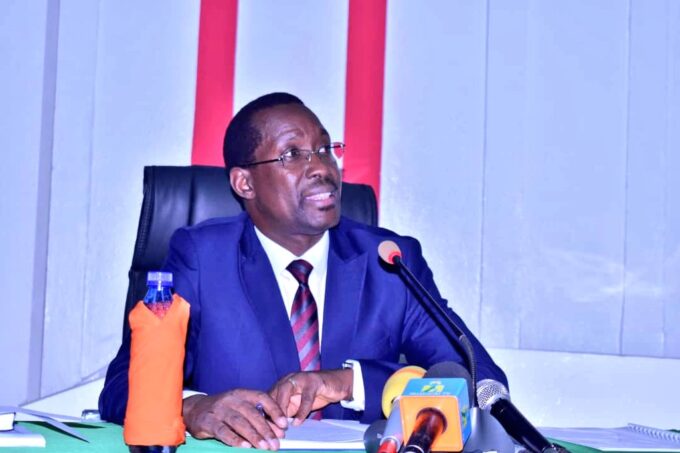
Gabriel Rufyiri, head of the anti-corruption watchdog OLUCOME, warned that corruption has crippled public institutions and eroded basic infrastructure.
“Corruption has spread everywhere. You will find areas with no roads, no public infrastructure — and even where such things exist, they are inadequate,” Rufyiri told journalists.
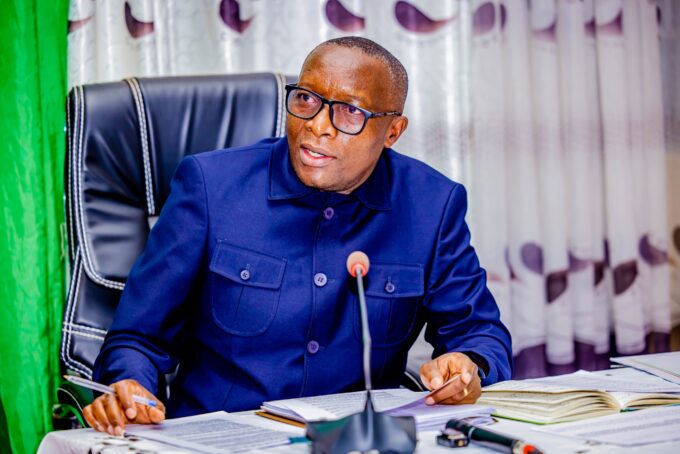
Faustin Ndikumana, chairperson of PARCEM, raised concerns about corruption within the justice system, warning that courts risk being used as political tools rather than instruments of justice.
“There are countries that use the judicial system as a weapon against their opponents while protecting those who commit crimes,” Ndikumana said.
Watchdog Calls for Action, Not Promises
OLUCOME welcomed the government’s decision, saying it reflects commitments made during earlier meetings chaired by President Ndayishimiye. However, the organization urged authorities to focus on implementation rather than rhetoric.
“We hope that this time words will be matched by actions,” Rufyiri told local radio station Bonesha FM on Friday. “In the past, we were used to speeches and documents only. There can be no future without genuinely fighting corruption.”
He also warned officials who continue corrupt practices that such behavior undermines the country’s stated commitment to eradicate corruption.
Despite the government’s renewed pledge, critics and some economists remain skeptical, citing previous anti-corruption initiatives that failed to produce tangible results. They argue that without strong political will, independent oversight, and accountability at the highest levels of government, the 2030 target risks remaining aspirational.







Leave a comment