
Burundi is seeking more than 630 billion Burundian francs to respond to the expected effects of El Niño, as heavy rainfall linked to the climate phenomenon has already begun damaging infrastructure and displacing residents in some parts of the country.
The government estimates that more than four million people could be affected by the phenomenon, which the World Meteorological Organization (WMO) says could persist into 2027.
Since August 2026, the Burundi Geographical Institute (IGEBU) has forecast above-average rainfall, ranging between 400 and 450 millimetres, during the current agricultural season. The institute has warned that rainfall patterns could resemble those experienced in 2023, when El Niño triggered widespread flooding and landslides.
Despite the early warnings, concerns remain over the country’s preparedness, particularly in areas already vulnerable to flooding and other climate-related disasters.
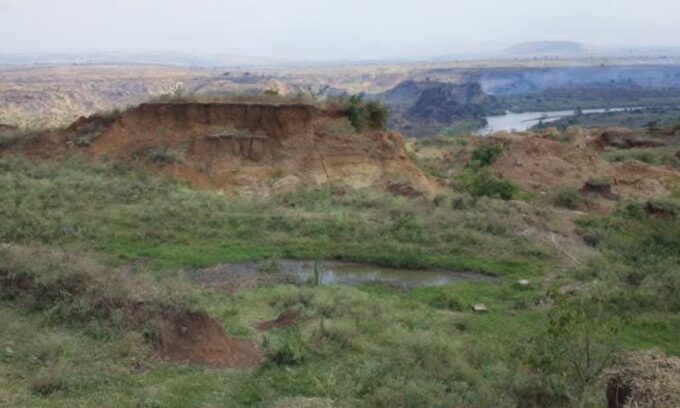
In Bukinanyana commune, in Bujumbura Province, heavy rains have already damaged public infrastructure, including roads, as well as residential houses, forcing some residents to leave their homes, according to local reports.
Experts have urged the government to take preventive measures, including identifying high-risk areas and strengthening preparedness in communities exposed to flooding and landslides.
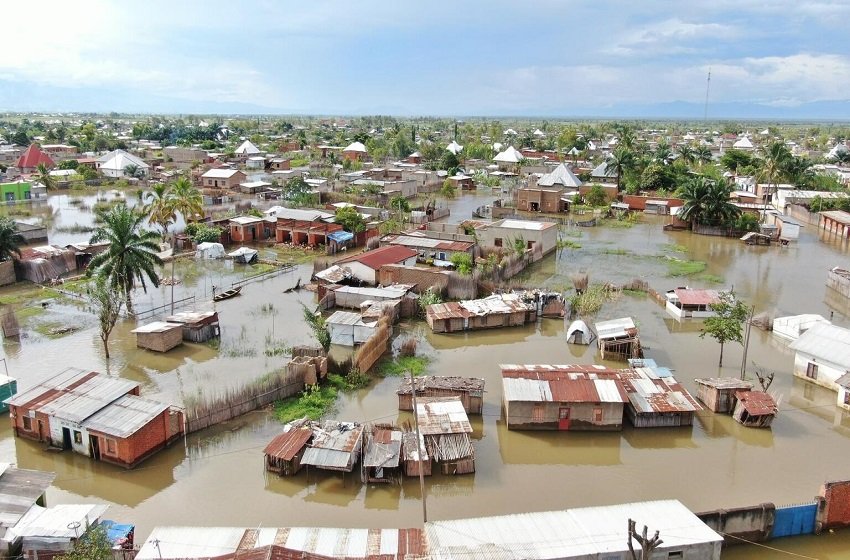
Gatumba, in Bujumbura Province, is among the areas that have repeatedly experienced severe flooding in recent years, leaving some locations increasingly difficult to inhabit.
Climatologist Athanase Nkunzimana has warned that the expected rainfall could trigger soil erosion and landslides in mountainous areas and on steep slopes. In valleys and low-lying areas, the main risks include rapid water accumulation, flooding, river overflows and rising water levels in Lake Tanganyika.
On Friday, the government and the United Nations Resident Coordinator in Burundi signed a joint declaration on the El Niño 2026–2027 operational plan, outlining the response to the anticipated effects of the phenomenon.
Speaking at the signing ceremony, Foreign Affairs and Development Cooperation Minister Edouard Bizimana said the response required swift, organised and coordinated interventions, with clearly defined responsibilities for the institutions involved.
“The response must guarantee rapid, organised and coordinated intervention, and responsibilities must be clearly defined,” Bizimana said.
He cautioned, however, that having an operational plan alone would not guarantee success, adding that its effectiveness would depend on the quality of its implementation, the availability of the necessary resources and the ability of each institution to fulfil its assigned responsibilities.
According to the government, more than 630 billion Burundian francs will be needed to address the expected impact of El Niño, which is also forecast to affect other countries in East Africa.
The scale of the potential damage is raising concerns, particularly in communities that have repeatedly suffered from rising lake and river levels. In Rumonge, for instance, residents in vulnerable areas remain fearful of further flooding as the rainy season intensifies.
Burundi experienced severe consequences during the previous El Niño episode in 2023, when torrential rains, floods and landslides affected more than 237,000 people. More than 42,000 were displaced, while around 20 people lost their lives.
With the current phenomenon expected to bring further heavy rainfall, the challenge for authorities will be to translate early warnings and funding appeals into concrete preventive measures before the worst impacts are felt.