
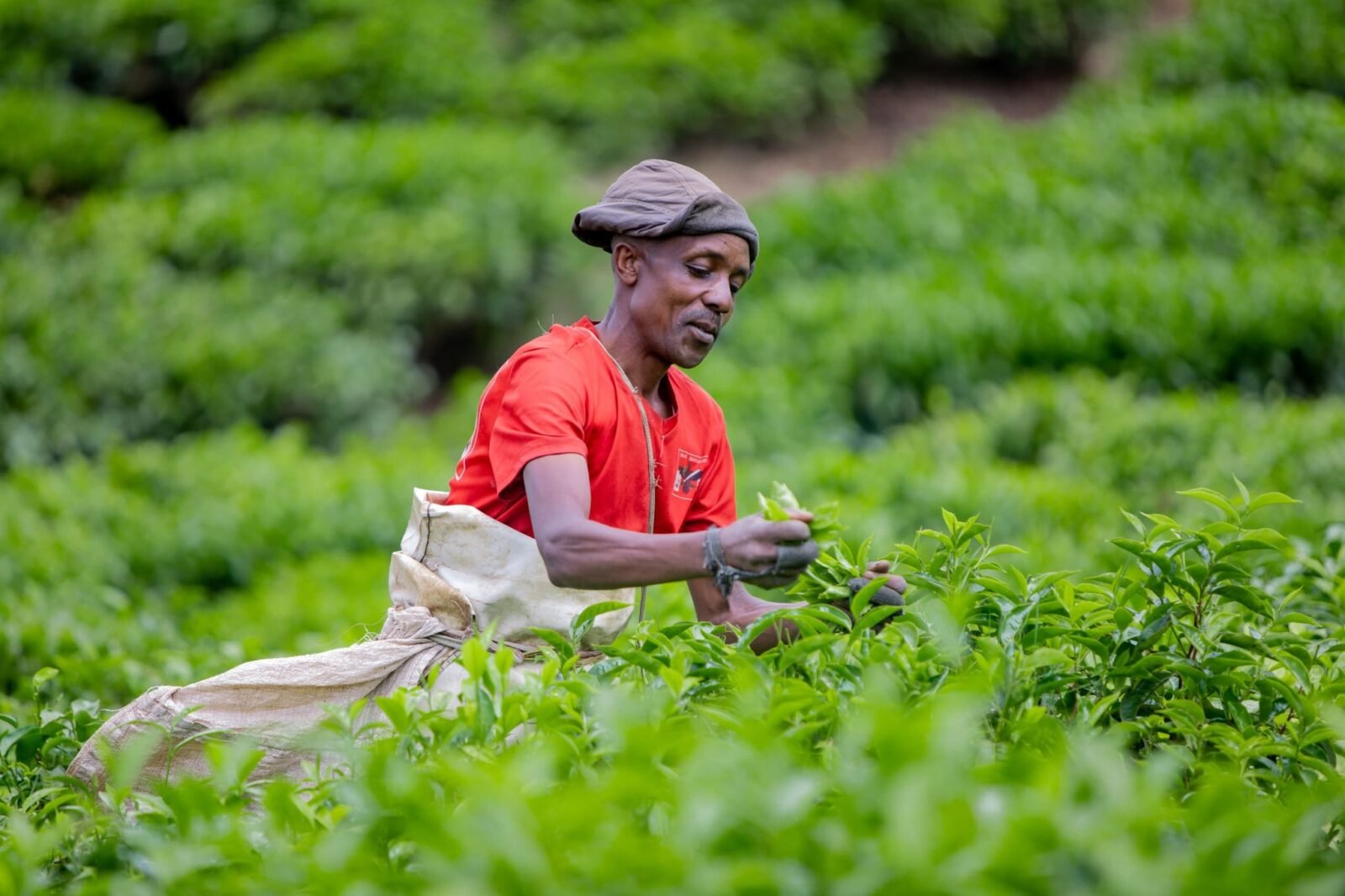
Burundi’s government has doubled the price paid to tea farmers for a kilogram of fresh tea leaves, raising it from 500 to 1,000 Burundian francs following years of complaints over low returns that have discouraged some producers from the crop.
The new price was announced on Friday following a Cabinet meeting held earlier this week, according to a statement read by government secretary-general Jérôme Niyonzima.
The government said the previous price of 500 BIF per kilogram no longer reflected the rising costs faced by tea farmers, particularly expenses related to labour for harvesting and maintaining plantations.
Producing quality tea leaves requires regular labour and other investments, while the gradual increase in wages for workers has significantly reduced farmers’ profitability, Niyonzima said.
The government said the price adjustment was intended to address declining interest in tea cultivation, preserve existing plantations, ensure factories receive sufficient quantities of quality leaves and secure the future of the sector.
The decision has been welcomed by tea farmers, although some say the new price remains insufficient given the rising cost of living and the returns from other agricultural activities.
“Really, the government has done a good thing because tea farmers were becoming discouraged, as the price had remained low despite the current economic situation,” said Donatien Barumpende, a tea grower in Rwibaga commune, Bujumbura Province.
However, he said further efforts were needed to make tea cultivation more attractive compared with other crops in the region.
Barumpende noted that hiring a casual worker to pick fresh tea leaves costs around 10,000 BIF until midday, the same amount paid for similar work in potato fields.
A tea farmer from Bukinanyana commune, also in Bujumbura Province, said the government had responded positively to farmers’ longstanding demands but urged authorities to ensure the new price was effectively implemented.
He also called for the purchase price to be raised to 3,000 BIF per kilogram, arguing that this would allow farmers to benefit more fairly from their work as prices of other commodities continue to rise.
“If the government could at least set the price of tea leaves at 3,000 BIF per kilogram, tea farmers would then be able to fully enjoy the fruits of their labour,” he said.
Another producer, identified only as C.M., from Jenda zone in Rwibaga commune, welcomed the announcement, saying it would encourage farmers to increase production.
“We have received the announcement very positively because it will double production, both on the farmers’ side and at the Burundi Tea Office [OTB]. Although 1,000 BIF is still not enough given today’s cost of living, it encourages us,” he said.
The price revision follows years of complaints by tea farmers over what they consider inadequate payments for their harvests. In 2025, the government had already promised to increase the purchase price following protests by producers.
The sector has also faced logistical challenges. In 2024, the Burundi Tea Office (OTB), the state agency responsible for supervising tea production and supporting farmers, reported losses linked to fuel shortages that prevented the timely collection of farmers’ harvests, alongside other logistical constraints.
Following the Cabinet’s approval of the new price, the government recommended an objective assessment based on international market prices and the administrative costs incurred by the OTB to determine the appropriate amount that should be paid to producers.
Tea, coffee and cotton, among Burundi’s main export crops, have experienced declining production over the years, partly as farmers lose interest in cultivation because of low returns.
The latest price increase is expected to provide some relief to tea producers, although farmers’ calls for further adjustments suggest that concerns over the profitability of the sector remain.